
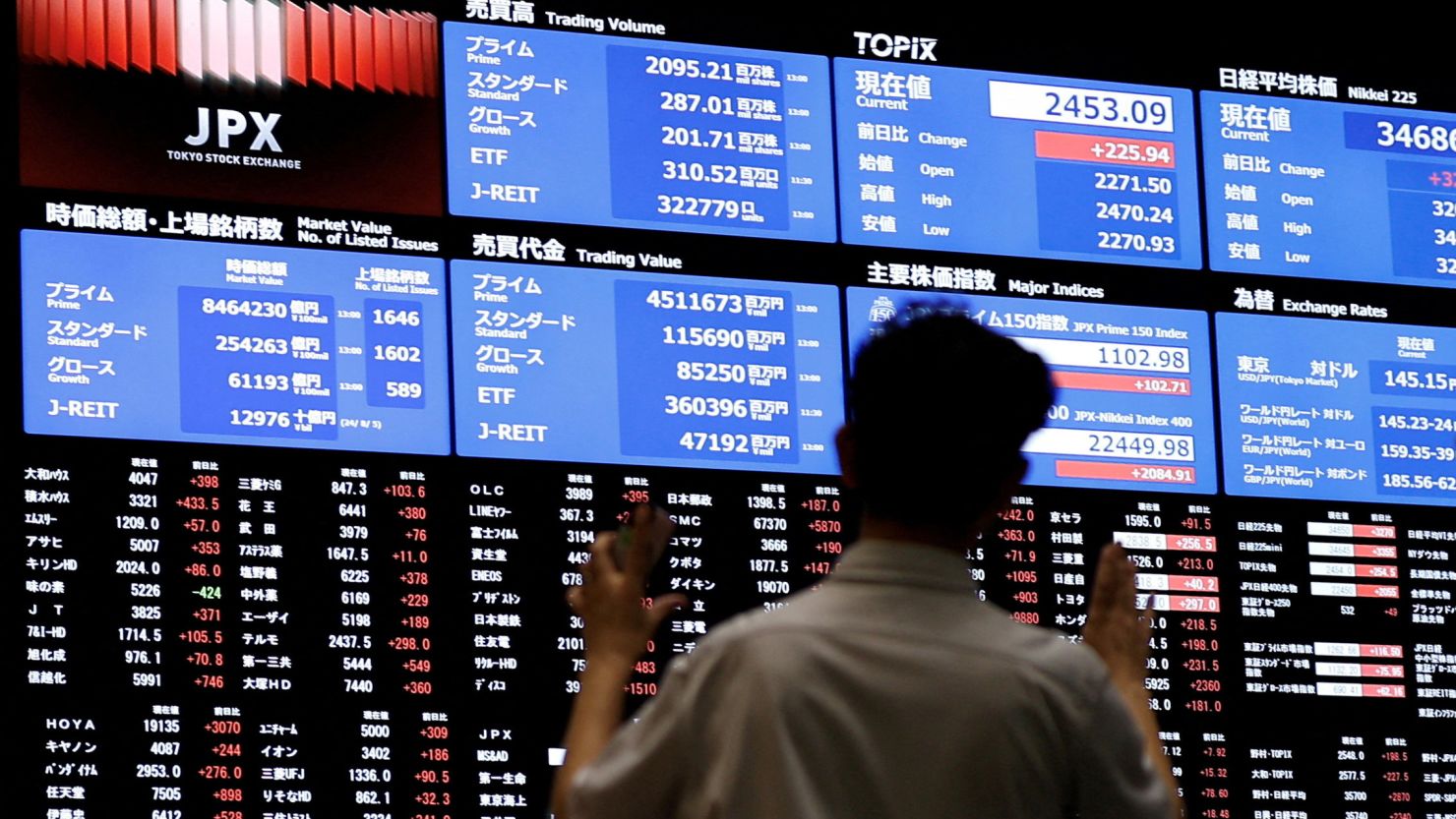
TOKYO / NEW YORK / LONDON — Global capital markets are experiencing a violent multi-asset rebalancing act. Equity index futures exhibited extreme intraday volatility on Monday following a historic sell-off in Asian markets, where Japan’s flagship Nikkei 225 index officially plunged into a technical bear market—falling more than 20% from its record peak established in mid-July. The historic decline in Tokyo follows a sharp correction in the Nasdaq Composite, which closed down more than 10% from its recent all-time high, driven by growing skepticism surrounding Big Tech’s AI capital allocation strategies, softening U.S. macroeconomic data, and an aggressive unwind of the multi-trillion-dollar global Japanese Yen carry trade.
Institutional desks from Wall Street to the City of London are scrambling to adjust risk models as cross-asset correlations break down. With the Cboe Volatility Index (VIX) surging to levels not seen since the height of the 2020 pandemic shock, market liquidity across global credit, currency, and equity channels is facing its sternest stress test in years. Investors are navigating a complex convergence of central bank policy divergence, valuation contraction across mega-cap technology names, and systemic deleveraging by automated commodity trading advisors (CTAs) and risk-parity funds.
Executive Takeaways
Test Our Free AI & Tech Utilities Suite
Calculate LLM API token costs, analyze article dwell-time, or simulate tech DCA returns.
- Nikkei 225 Bear Market: Japan’s blue-chip index sank over 12% in a single trading session, marking its worst one-day decline since Black Monday in 1987 and bringing its peak-to-trough drawdown above 20%.
- Nasdaq Tech Correction: The tech-heavy Nasdaq Composite remains locked in technical correction territory as market participants aggressively repriced mega-cap technology valuations amidst scrutinizing eyes on cloud compute architecture returns and delayed enterprise artificial intelligence ROI.
- The Yen Carry Trade Unwind: An unexpected 25-basis-point interest rate hike by the Bank of Japan (BoJ), paired with hawkish signaling, triggered a violent rally in the Japanese Yen (USD/JPY dropping below 142), forcing global macro hedge funds to rapidly liquidate dollar-denominated assets to cover yen-borrowed liabilities.
- Macro Recession Anxieties: A disappointing U.S. July nonfarm payrolls report (unemployment rising to 4.3%, triggering the historic Sahm Rule) has fueled fears that the Federal Reserve kept monetary policy restrictive for too long, sparking debates over an emergency rate cut before the September FOMC meeting.
The Anatomy of a Global Margin Call: How the Carry Trade Collapse Devastated Tokyo
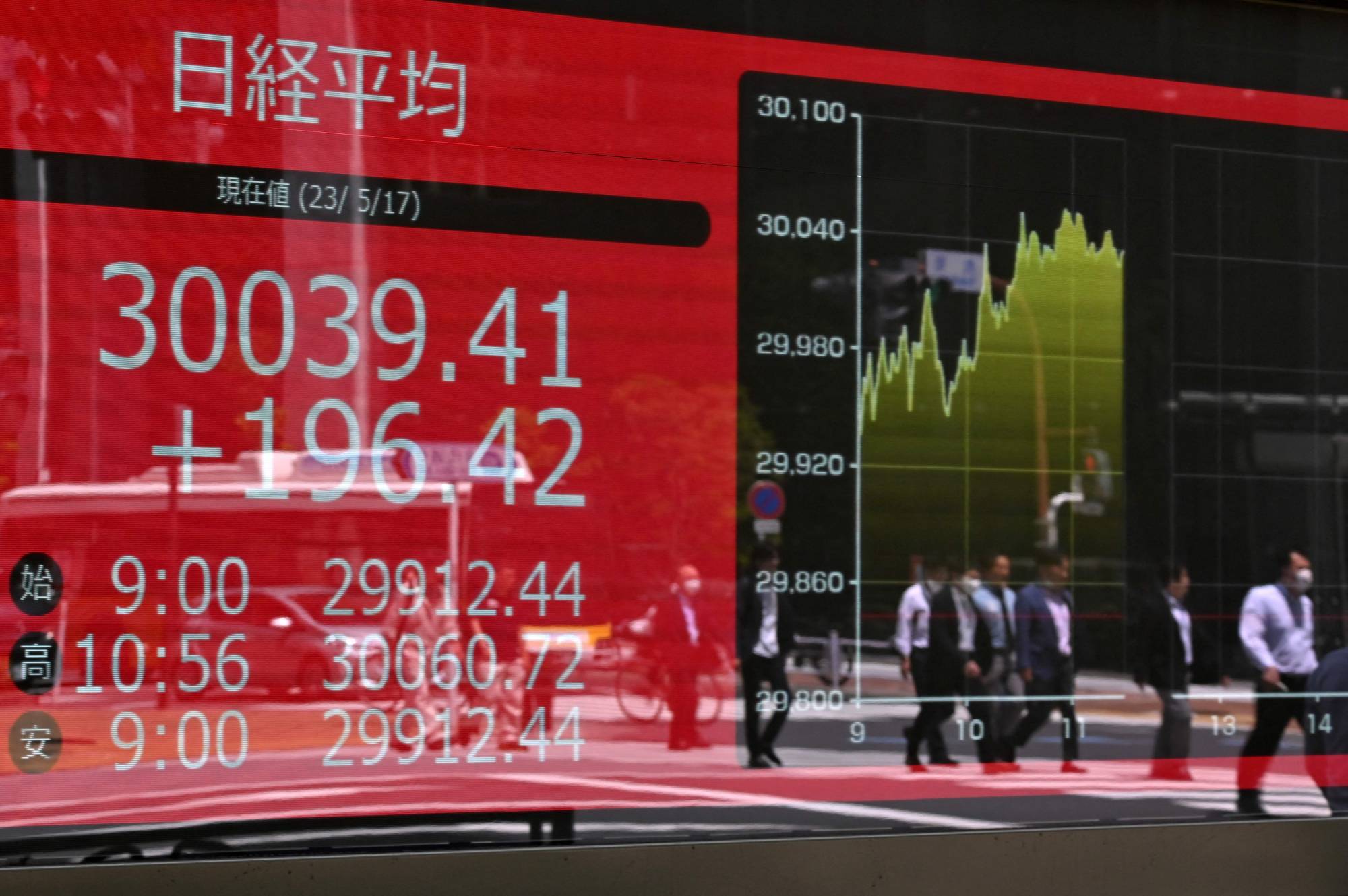
The catalytic epicenter of the global market dislocation lies in Tokyo. For nearly two decades—and intensified during the post-pandemic inflation era—the Bank of Japan maintained ultra-loose monetary policy, keeping short-term interest rates near zero or negative. This established the yen as the world's primary funding currency for the global "carry trade." Institutional investors, macro hedge funds, and sovereign wealth entities routinely borrowed trillions of low-yielding yen, converting the proceeds into high-yielding U.S. Treasuries, Mexican Pesos, and high-flying U.S. mega-cap technology stocks like Nvidia, Microsoft, and Apple.
That paradigm shattered when BoJ Governor Kazuo Ueda announced a surprise interest rate increase to 0.25% alongside a structured taper of the central bank's quantitative easing bond-buying program. Almost simultaneously, the U.S. Federal Reserve signaled an imminent pivot toward rate reductions due to cooling labor dynamics. The sharp compression of the U.S.-Japan interest rate differential sent shockwaves through foreign exchange desks. The Yen appreciated by nearly 12% against the U.S. Dollar in less than three weeks, instantly destroying the profit margins of cross-border carry trades and triggering automated risk mitigation stops.
"What we are witnessing is not merely a cyclical pullback; it is a structural unwind of systemic leverage," noted a Senior Managing Director of Foreign Exchange Strategy at a major London prime brokerage. "When the yen surges 10% in a fortnight, asset managers who used cheap leverage to purchase highly valued U.S. equities face mandatory margin calls. They don't sell what they want to sell—they sell whatever is liquid enough to yield immediate cash."
The liquidations hit Japanese exporters hardest. Heavyweights such as Toyota, Sony, and Tokyo Electron saw market capitalization erased at a record pace as a stronger currency directly impairs repatriated foreign earnings and erodes international price competitiveness. The systemic margin call cascaded into European and U.S. equity futures during overnight trading sessions, driving cross-asset liquidation cycles.
Big Tech's AI Monetization Reckoning: Cloud Infrastructure Scalability vs. Real Enterprise ROI
Compounding the macroeconomic currency unwinding is an internal crisis of confidence within the technology sector. The Nasdaq Composite’s drift into correction territory highlights a fundamental shift in investor sentiment regarding capital allocation toward artificial intelligence. Over the past six quarters, hyperscalers—including Microsoft, Alphabet, Amazon, and Meta—have allocated hundreds of billions of dollars toward capital expenditures, specifically high-end graphic processing units (GPUs), data center real estate, and specialized cloud compute architecture.
However, recent Q2 earnings reports revealed a sobering reality: while infrastructure scalability and capital expenditures continue to compound at multi-year highs, top-line revenue monetization directly attributable to generative AI software applications is lagging behind market expectations. Institutional investors are shifting their focus from broad narrative adoption to strict enterprise ROI (Return on Investment) metrics.
Valuation multiples, which had expanded to historical premiums based on aggressive medium-term growth projections, are undergoing sharp multiple contraction. Hyperscaler management teams face mounting pressure to demonstrate how enterprise customers are converting pilot AI projects into sustainable, high-margin software-as-a-service (SaaS) workflows that justify current enterprise compute budgets.
Institutional Metrics & Cross-Asset Benchmark Breakdown
| Asset Class / Index | Peak Level (July 2024) | Current Drawdown / Level | Primary Risk Catalyst | Systemic Status |
|---|---|---|---|---|
| Nikkei 225 (Japan) | 42,426.77 | -20.5% (31,450.00) | BoJ Rate Hike / Yen Rally | Technical Bear Market |
| Nasdaq Composite | 18,647.45 | -10.8% (16,630.00) | AI Capex ROI Skepticism / Tech De-risking | Technical Correction |
| USD / JPY | 161.95 | 141.70 (-12.5% Yen Gain) | Yield Rate Differential Compression | Carry Unwind Shock |
| Cboe Volatility Index (VIX) | 12.40 (Low Vol Environment) | 38.50+ (Intraday Spike to 65.00) | Cross-Asset Liquidity Shortage / Hedging | Severe Market Stress |
| U.S. 10-Year Treasury Yield | 4.48% | 3.72% (-76 bps) | Flight to Quality / Growth Slowdown Fears | Bull Flattening Curve |
Industry & Market Implications: Winners, Losers, and Systemic Risk Factors
The cross-asset rotation is establishing distinct structural winners and losers across corporate balance sheets, investment styles, and geographic markets:
Market Winners & Safe-Haven Assets
- Sovereign Debt Instruments: U.S. Treasuries, German Bunds, and UK Gilts have rallied fiercely, driving yields down to multi-month lows as investors seek capital preservation. The U.S. 10-Year yield experienced one of its sharpest multi-day drops in recent history, indicating significant duration buying.
- Defensive Value Sectors: Dividend-paying, low-beta industries—such as Consumer Staples, Utilities, and Healthcare—are outperforming high-beta technology alternatives as portfolio managers prioritize defensive cash flow profile consistency.
- Investment-Grade Quality Balance Sheets: Corporations boasting robust net-cash positions, low refi obligations, and strong regulatory compliance tracks are insulated from rising credit risk spreads.
Market Losers & Structural Vulnerabilities
- High-Leverage Growth Tech: Mid-cap and non-profitable technology companies reliant on cheap equity financing face severe valuation pressures. Elevated interest rate sensitivities and extended pathways to profitability expose these assets to prolonged capital starvation.
- Export-Oriented Japanese Equities: Global industrial titans reliant on weak domestic currency valuations face margin compression as the Yen surges toward fair value exchange bounds.
- Systemic Quantitative Strategies: Trend-following Commodity Trading Advisors (CTAs) and Risk Parity portfolios, which built heavily leveraged long equity and short currency positions during early 2024, are undergoing forced liquidation cycles to comply with daily Value-at-Risk (VaR) parameters.
Frequently Asked Questions (People Also Ask)
Why did Japan's Nikkei 225 plummet into a bear market so rapidly?
The sudden plunge of the Nikkei 225 was primarily triggered by the Bank of Japan's interest rate hike to 0.25%, combined with aggressive hawkish guidance. This policy shift caused a rapid appreciation of the Japanese Yen against foreign currencies. Because the Nikkei 225 is heavily weighted toward global export companies (such as automotive and semiconductor manufacturing firms), a stronger yen severely lowers projected overseas profits when repatriated. Additionally, the rapid unwind of global yen carry trades led to massive, automated equity liquidations across international trading desks.
How does the yen carry trade unwind directly impact U.S. stock futures and tech stocks?
For years, institutional investors borrowed Japanese Yen at near-zero interest rates, converted those funds into U.S. Dollars, and invested in high-yielding U.S. assets—most notably high-growth mega-cap technology stocks. When the Yen rose rapidly against the Dollar, the cost to maintain these borrowed positions exploded. To satisfy margin calls and limit currency losses, global investment funds were forced to sell their most liquid U.S. assets, including high-flying tech stocks like Nvidia, Apple, and Microsoft, creating downward pressure on U.S. equity futures.
What is the difference between a market correction and a bear market?
A market correction is defined as a fall of 10% or more from a recent benchmark high in an index or individual asset. It is considered a normal, healthy component of market cycles where overbought assets re-align with baseline fundamentals. A bear market is a more severe downturn, defined as a sustained decline of 20% or more from recent peak prices, often accompanied by widespread investor pessimism, economic contraction, or systemic deleveraging events.
How does Big Tech's artificial intelligence capital expenditure affect investor sentiment during market downturns?
During market expansions, high capital expenditures (Capex) in artificial intelligence compute infrastructure are viewed as vital strategic investments for future growth. However, when economic growth slows or financial market volatility increases, investors closely evaluate enterprise ROI. If mega-cap hyperscalers spend tens of billions annually on hardware, data center expansion, and software without delivering proportional revenue growth, financial markets react by compressing stock valuation multiples until monetization timelines become clearer.
Future Outlook: Central Bank Policy Divergence and Institutional Roadmaps
As market participant panic begins to stabilize into deliberate risk-reassessment, institutional market participants are focusing on upcoming central bank action and economic indicators. The narrative has shifted rapidly from managing inflationary pressures to preventing systemic growth slowdowns.
Attention turns directly to the Federal Reserve’s upcoming policy meetings, with futures markets pricing in aggressive rate cuts before the end of the year. Some prominent Wall Street institutions have openly raised the possibility of an inter-meeting emergency rate cut if market liquidity constraints worsen or broad credit markets show signs of structural freezing. Conversely, the Bank of Japan finds itself in a delicate balancing act: continuing policy normalization without destabilizing domestic capital markets or triggering further international currency shocks.
In the tech sector, upcoming corporate earnings reports and executive guidance updates will undergo intense scrutiny regarding enterprise software adoption rates and cloud infrastructure efficiency. Companies that can demonstrate tangible, cash-generative returns on their AI enterprise deployments while maintaining prudent capital allocation will likely lead the eventual market stabilization phase. Until cross-asset leverage is fully unwound and currency volatility normalizes, institutional desks advise maintaining elevated cash buffers, implementing disciplined risk mitigation strategies, and focusing on balance sheet quality over speculative momentum.


