Debt Alarm: Global Economy Accelerating Toward a Fresh Financial Crisis as Bond Markets Plunge
WASHINGTON & SYDNEY — The architecture of the post-pandemic global economy is flashing critical red alerts. International financial markets are currently tracing a perilous trajectory reminiscent of pre-crisis eras, driven by a violent sell-off in sovereign bond markets, escalating geopolitical flashpoints, and structural shifts in global trade. According to new risk assessments highlighted by international analysts and data from the Australian Broadcasting Corporation (ABC News), systemic vulnerabilities are compounding at a breathless pace, threatening to derail macroeconomic recovery efforts worldwide.
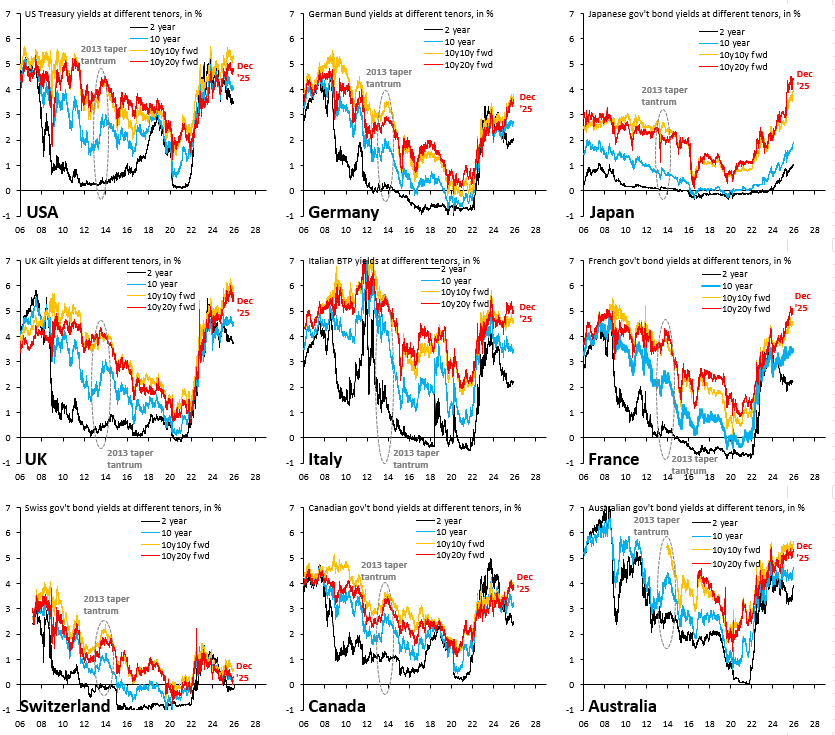
For months, central banks have walked a precarious tightrope between suppressing stubborn inflation and preventing a liquidity crunch. However, the latest convulsions in the global bond market—characterized by surging yields and contracting investor demand for long-term government debt—have effectively upended traditional risk models. Coupled with the economic fallout from the Middle East conflict and structural transformations led by artificial intelligence and robotics, economists warn that the world is standing at a historic financial precipice.
The Bond Market Bleed: Anatomy of a Crash
At the epicenter of the current turbulence is the global bond market. As flagged in recent intelligence reports from ABC News Australia and echoed by monetary authorities, sovereign debt yields have experienced dramatic swings, signaling a severe loss of confidence among institutional investors regarding long-term fiscal sustainability.
When bond markets dive and yields spike, the cost of borrowing for governments, corporations, and consumers climbs in tandem. This dynamic is currently constricting capital flows just as the global engine of growth requires maximum lubrication. Governments carrying historic debt-to-GDP ratios resulting from pandemic-era stimulus are now finding themselves trapped in a high-interest-rate feedback loop.
- Exploding Debt Servicing Costs: Major economies are dedicating unprecedented portions of national budgets merely to pay interest on existing sovereign debt.
- Liquidity Strains: Institutional investors are pulling back from risk assets, causing liquidity crunches in secondary credit markets.
- Spillover Effects: Emerging markets, which rely heavily on US dollar-denominated debt, face severe currency depreciation and imported inflation pressures.
Geopolitical Shocks: How the Iran Conflict Redrew Economic Baselines
The fragility of the current financial trajectory has been brutally exposed by concurrent geopolitical shocks. As detailed in recent economic digests, the regional war involving Iran has fundamentally altered global trade corridors, energy markets, and investor risk appetite.
Energy security remains the primary transmission channel for geopolitical risk. Disruptions—or the persistent threat of disruptions—in vital shipping lanes have reignited supply-chain anxieties. While global central banks spent the past two years attempting to anchor inflation expectations, energy price volatility driven by Middle Eastern hostilities has injected a volatile wildcard into the pricing equation, forcing policymakers to reconsider premature interest rate cuts.
Structural Headwinds: Services Trade and the AI Revolution
Beyond immediate market panics and geopolitical strife, structural transformation is reshaping the economic landscape. Recent macroeconomic analysis emphasizes the increasingly vital role of services trade in sustaining global GDP growth, even as traditional manufacturing faces localized recessions.
Concurrently, the rapid integration of artificial intelligence and advanced robotics is altering labor markets and productivity forecasts. While technological acceleration promises long-term efficiency gains, the transitional phase introduces severe capital expenditure burdens for corporations and heightens uncertainty regarding employment stability. Financial markets are struggling to price these dual transitions, adding another layer of anxiety to an already strained global financial architecture.
At a Glance: Key Economic Pressure Points
| Economic Indicator | Current Status | Primary Risk Factor |
|---|---|---|
| Sovereign Bond Yields | Volatile / Rising | Unsustainable government debt servicing and fiscal deficits |
| Global Energy Markets | Heightened Sensitivity | Middle East geopolitical tensions and supply route disruptions |
| Services & Tech Trade | Transitioning | Disruption from AI/robotics adoption and shifting labor demands |
| Central Bank Policy | Hawkish / Cautious | Prolonged high interest rates risking hard economic landings |
What Lies Ahead: Navigating the 2027 Horizon
Looking toward the medium term, financial strategists warn that without coordinated fiscal consolidation and international monetary cooperation, the current trajectory could culminate in a synchronized global slowdown or localized debt defaults. The International Monetary Fund (IMF) and regional regulatory bodies are continuously updating stress tests to gauge how banking sectors would weather a prolonged bond market rout.
For investors, the mandate is clear: capital preservation, liquidity maintenance, and rigorous scrutiny of debt exposure are paramount. As central banks deliberate their next moves, the margin for policy error has narrowed to virtually zero. The coming quarters will test whether the global financial system possesses the resilience to navigate out of this compounding crisis.
Frequently Asked Questions
Why are declining bond markets signaling a financial crisis?
When bond prices fall, yields rise. For governments and corporations, higher yields mean drastically higher borrowing costs. When debt burdens become too heavy to service efficiently, it triggers credit freezes, market panic, and potential defaults across the broader financial system.
How do geopolitical events like the Iran conflict impact global inflation?
Geopolitical conflicts in key energy-producing regions directly threaten oil and gas supplies. Higher energy prices increase the cost of manufacturing and transporting goods worldwide, driving up consumer prices and forcing central banks to keep interest rates elevated for longer.