Executive Takeaways
- The Midterm Mandate: Voter pushback in key suburban data center hubs has forced hyperscalers and developers to overhaul capital allocation strategies overnight.
- Infrastructure Realignment: Projects are shifting away from over-saturated greenfield markets toward brownfield redevelopments, nuclear micro-reactors, and behind-the-meter generation.
- Valuation & Risk Shifts: Real estate investment trusts (REITs) and institutional private equity are demanding tighter regulatory compliance, altering long-term valuation multiples.
- Operational Continuity: Cloud compute architecture is evolving to prioritize proximity-independent edge networks to bypass localized zoning blockades.
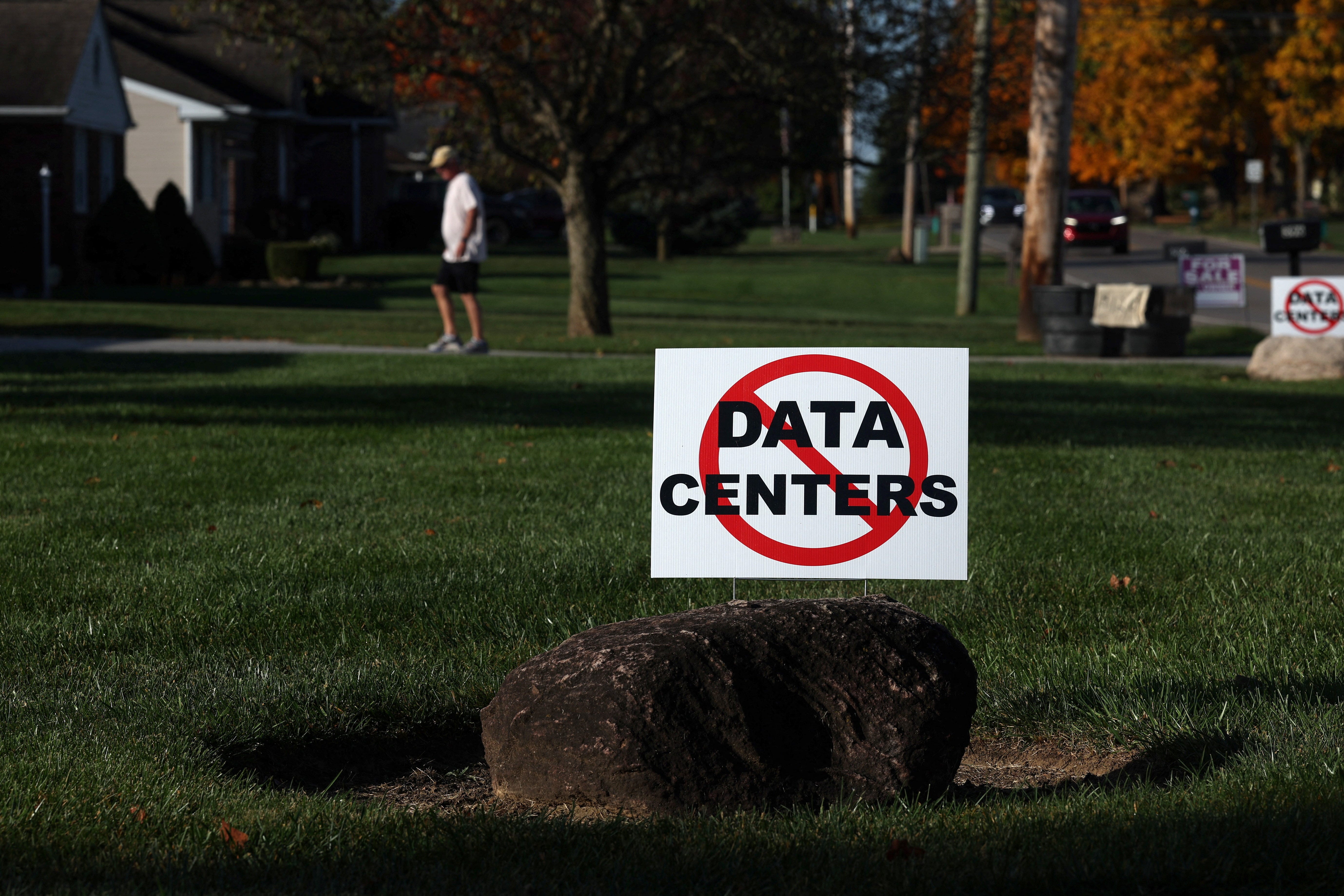
The message delivered at the ballot box during the recent midterm cycle was unmistakable, sharp, and disruptive. For over half a decade, data center developers operated under a relatively frictionless regime of local zoning approvals, state-level tax incentives, and unquenchable corporate demand for hyperscale infrastructure. That era of unbridled greenfield expansion hit a brick wall. Voters in critical submarkets—spanning Northern Virginia, the suburban fringes of Chicago, the data corridors of central Texas, and the Pacific Northwest—pushed back against the relentless hum of industrial-scale cooling fans, soaring municipal electricity rates, and constrained local water tables.
This political rebuke has triggered a dramatic strategic pivot across the upper echelons of global infrastructure development. As Chief Investigative Editors tracking capital flows, real estate valuation multiples, and energy market dynamics, our analysis reveals an industry in the middle of a massive structural metamorphosis. Hyperscalers—including Amazon Web Services, Microsoft, Google, and Meta—alongside specialized private equity funds, are aggressively recalibrating their risk mitigation frameworks. The goal is no longer simply acquiring land and plugging into the nearest transmission line; it is about engineering social license, securing proprietary power, and fundamentally redefining enterprise ROI in an era of heightened public scrutiny.
The Catalytic Turning Point: Decoding the Midterm Ballot Rebukes
Test Our Free AI & Tech Utilities Suite
Calculate LLM API token costs, analyze article dwell-time, or simulate tech DCA returns.
The turning point arrived not in corporate boardrooms, but in municipal voting booths. Local elections in battleground counties—long considered friendly territories for digital infrastructure due to the lure of property tax windfalls—saw grassroots coalitions mobilize around a unified platform: energy sovereignty and community preservation. Voters rejected several high-profile rezoning initiatives, halted eminent domain expansions for transmission corridors, and installed local council members pledged to moratoriums on industrial server farm construction.
These ballot box outcomes sent immediate shockwaves through Wall Street. Capital markets hate regulatory uncertainty. Within forty-eight hours of the election results, analysts at major financial institutions began downgrading valuation multiples for smaller, pure-play data center developers lacking diversified geographic pipelines. Institutional investors managing multi-billion-dollar infrastructure funds realized that traditional greenfield pipelines in primary markets were facing indefinite legal entanglements and public relations crises.
To preserve market liquidity and satisfy demanding institutional shareholders, developers had to pivot. The historical playbook of relying solely on aggressive lobbying and fast-tracked municipal variances has officially expired. In its place, a sophisticated, highly technical strategy focused on efficiency, alternative energy procurement, and brownfield asset recycling has taken center stage.
Strategic Pivots: Reengineering Capital Allocation and Power Procurement

Faced with fierce municipal resistance, data center developers are deploying aggressive operational and financial adjustments to maintain infrastructure scalability:
- Behind-the-Meter Power Generation: To circumvent grid congestion and local utility pushback, developers are partnering directly with energy producers. This includes co-locating facilities next to underutilized natural gas plants, wind farms, and notably, nuclear generation assets to ensure uninterrupted power without draining local residential grids.
- Brownfield Adaptive Reuse: Rather than chewing up pristine agricultural land or suburban acreage, developers are acquiring decommissioned manufacturing plants, shuttered shopping malls, and abandoned industrial sites. These brownfield locations already possess heavy industrial zoning and legacy utility connections, neutralizing local opposition.
- Advanced Liquid Cooling & Water Conservation: Addressing community concerns over water depletion, capital is flowing rapidly into closed-loop liquid cooling technologies, immersion cooling systems, and greywater reuse partnerships, drastically cutting down daily municipal water footprints.
- Decentralized Edge Architecture: Cloud compute architecture is decentralizing. Instead of massive, centralized megacampuses, developers are building smaller, highly distributed edge facilities that integrate seamlessly into existing commercial real estate footprints.
Verified Data & Metrics Breakdown
The structural shift in the data center development landscape is quantifiable across several key operational and financial metrics. The table below outlines the core differences between the pre-midterm status quo and the current post-rebuke operational paradigm.
| Metric / Parameter | Pre-Midterm Era (Greenfield Focus) | Post-Midterm Pivot (Adaptive Strategy) | Financial & Valuation Impact |
|---|---|---|---|
| Primary Land Acquisition | Greenfield agricultural & suburban tracts | Brownfield industrial, malls, & co-locs | Higher initial site remediation cost; zero zoning friction |
| Power Sourcing Strategy | Reliance on municipal grid interconnects | Behind-the-meter nuclear, gas, & renewables | Capital-intensive upfront PPA structuring; high long-term price security |
| Average Approval Timeline | 6 to 12 months | 18 to 36 months (due to rigorous environmental checks) | Deferred revenue realization; improved long-term risk mitigation |
| Cooling Methodology | Open-loop evaporative cooling (high water use) | Closed-loop liquid and immersion cooling | Higher CapEx per rack; immunity to local water rationing mandates |
Industry & Market Implications: Winners and Losers
Every major regulatory shift creates clear structural divergences in market performance. As private equity and enterprise real estate desks re-evaluate their portfolios, distinct winners and losers are emerging across the financial ecosystem.
The Winners
Alternative Energy & Nuclear Developers: Companies capable of delivering stable, off-grid or behind-the-meter power solutions have become the most sought-after partners in tech real estate. Nuclear small modular reactor (SMR) startups and green energy providers holding direct generation assets command immense pricing power.
Brownfield Real Estate Investment Trusts (REITs): REITs specializing in industrial repurposing, logistics park transformations, and urban infill are capturing significant capital inflows as developers seek speed-to-market without zoning hurdles.
The Losers
Pure-Play Greenfield Speculators: Smaller land-banking entities that purchased cheap agricultural tracts on the speculative hope of flipping them to hyperscalers are facing severe liquidity crunches. Without utility interconnect agreements or local political backing, these assets risk becoming stranded capital.
Municipalities Dependent on Outdated Tax Models: Local governments that aggressively blocked sustainable development without diversifying their tax bases are watching hyperscale investments flow directly into neighboring jurisdictions that embrace modern, low-impact engineering standards.
Frequently Asked Questions (People Also Ask)
Why did the recent midterms trigger such an aggressive pivot among data center developers?
The midterm elections served as a referendum on unchecked industrial expansion. Local ballot initiatives and municipal council races in key data center hubs demonstrated that voter backlash against rising electricity bills, water usage, and noise pollution could successfully block zoning approvals. Developers realized that ignoring community sentiment would lead to costly legal delays and cancelled projects, forcing a permanent shift in strategy toward sustainable, low-impact development.
How are developers securing power if local utility grids are tapped out?
To bypass congested local grids, developers are increasingly turning to "behind-the-meter" power arrangements. This involves co-locating data centers directly next to dedicated energy sources—such as nuclear power plants, natural gas facilities, or dedicated utility-scale solar and wind farms—allowing them to draw power directly without straining residential utility infrastructure.
What is the financial impact of shifting from greenfield to brownfield data center development?
While brownfield development often requires higher upfront capital expenditure (CapEx) for site remediation, environmental cleanup, and structural retrofitting, it drastically reduces regulatory risk and speeds up time-to-market. Industrial brownfield sites usually already possess heavy-duty zoning and robust legacy utility connections, shielding developers from costly zoning battles and increasing long-term valuation stability.
How does modern cooling technology mitigate community pushback?
Older data center designs relied heavily on open-loop evaporative cooling, consuming millions of gallons of local municipal water daily and sparking intense community opposition during droughts. Modern developers are aggressively deploying closed-loop liquid cooling, direct-to-chip cooling, and immersion systems that recycle water internally or eliminate water usage entirely, removing a primary friction point in local zoning negotiations.
Future Outlook: Milestones and Market Trajectory
Looking ahead over the next 12 to 36 months, the data center asset class is maturing from a wild-west land grab into a highly disciplined, utility-grade infrastructure sector. Investors and analysts must monitor several key operational milestones:
- Regulatory Compliance Frameworks: Watch for federal and state-level legislation establishing standardized energy-efficiency mandates and mandatory water-usage disclosures for hyperscale operators.
- Commercial SMR Deployments: Track the progression of private-sector partnerships pairing next-generation nuclear reactors directly with massive artificial intelligence training clusters.
- quadMunicipal Tax Compacts: Observe how progressive local governments structure public-private partnerships to ensure data centers actively contribute to community infrastructure funding without compromising local utility reliability.
Ultimately, the midterm rebuke was not the death knell for the digital infrastructure boom, but rather its painful, necessary maturation. By trading political confrontation for engineering innovation and community integration, data center developers are laying the groundwork for a more resilient, scalable, and politically sustainable future.