The Supply Chain Lifeline: Why Senator Glenn Sterle’s ‘Breakthrough’ Heavy Vehicle Panel is a Game-Changer for Australia’s Truckies and Owner-Operators
MELBOURNE — In a move hailed as the most significant structural shift in the road transport sector in a generation, Senator Glenn Sterle has declared the establishment of the federal government’s new Heavy Vehicle Panel a definitive "industry breakthrough." The legislative reform promises to fundamentally rewrite the economic rules for owner-operators, offering a sustainable, legally backed pathway for drivers looking to transition from employees to independent fleet owners without facing financial ruin.
The announcement comes at a critical juncture for Australia’s logistics sector. Under intense pressure from soaring diesel costs, high interest rates, and cutthroat contracting practices by major retail and industrial clients, transport operators have long warned of a systemic crisis. This newly minted panel, operating under the aegis of the Fair Work Commission (FWC), is designed to establish minimum standards, enforce sustainable pricing models, and put an end to the "race to the bottom" that has compromised road safety and operator solvency for decades.
Executive Summary: Key Takeaways
- A Regulatory Watershed: The Heavy Vehicle Panel will have the statutory power to set enforceable minimum standards, contract terms, and sustainable rates for owner-operators and gig-economy transport workers.
- Empowering the Next Generation: The framework explicitly prioritizes putting employee drivers on a transparent, economically viable path to becoming self-employed owner-operators.
- Safety Linked to Solvency: By ensuring cost-recovery and fair margins, the initiative directly targets the root economic causes of driver fatigue, vehicle maintenance neglect, and high-speed freight accidents.
- Strong Industry Endorsement: Veteran logistics leaders, including regional heavyweights like Blenners Transport, are welcoming the focus on long-term career viability and driver retention.
The Genesis of the Breakthrough: Why This Panel Matters
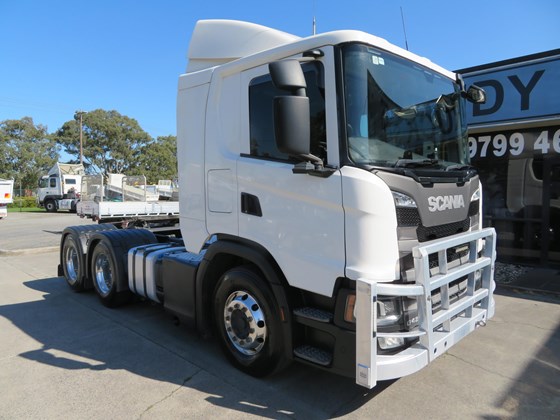
For years, veteran truck driver turned Labor Senator Glenn Sterle has led a relentless crusade to reform the trucking industry. The core issue has always been economic leverage. In a highly fragmented industry where over 70% of operators run five or fewer trucks, small owner-operators have historically possessed zero bargaining power when negotiating contracts with multibillion-dollar supermarkets, agricultural conglomerates, and mining giants.
The new Heavy Vehicle Panel addresses this structural power imbalance directly. Unlike previous regulatory bodies, this panel sits within the industrial relations apparatus, giving it the teeth to issue binding orders regarding minimum freight rates, payment terms, and fuel surcharge transparency. Senator Sterle emphasized that this is not about stifling competition, but rather about establishing a sustainable "floor" under which no legitimate business can be forced to operate.
“This is an absolute breakthrough for the men and women who keep Australia moving,” Sterle remarked. “For too long, our road transport owner-operators have been treated as disposable shock absorbers for the supply chain. This panel gives them a seat at the table, ensuring they are paid a rate that reflects the true cost of running a heavy vehicle safely and professionally.”
From Driver to Owner-Operator: A Safe Path to Business Ownership
One of the most compelling aspects of the new framework is its focus on upward mobility within the logistics sector. Historically, transitioning from an employed company driver to an owner-operator was an incredibly high-risk venture. Many aspiring entrepreneurs took on millions of dollars in equipment debt, only to find themselves squeezed out of profitable routes by larger fleets or forced to accept sub-economic rates that failed to cover their capital depreciation.
The Heavy Vehicle Panel aims to de-risk this transition. By establishing standardized contract templates and ensuring that primary contractors cannot undercut base operating costs, the reform creates a predictable economic environment. Aspiring owner-operators can now present bankable business cases to lenders, knowing that their minimum cash flows are federally protected.
This structural safety net is being lauded by major transport companies who rely on a mix of company-owned assets and subcontracted owner-operators. Companies like Blenners Transport—a fixture of the tropical north agricultural logistics network—illustrate the value of fostering long-term, stable careers. Blenners recently celebrated its long-serving drivers, a testament to the fact that retention, safety, and business longevity are deeply interconnected. When small sub-contractors are financially secure, the entire logistics network achieves greater operational resilience.
Comparing the Landscapes: Traditional vs. New Regulatory Framework
The table below outlines the critical operational shifts introduced by the new Heavy Vehicle Panel compared to the previous, unregulated market conditions:
| Feature/Operational Metric | The Legacy "Wild West" Model | The New Heavy Vehicle Panel Framework |
|---|---|---|
| Base Freight Rates | Market-driven undercutting; rates often fail to cover rising diesel and maintenance costs. | Legally enforceable minimum rates linked to real-world operational overheads. |
| Payment Windows | Often stretched to 90 or 120 days by major clients, squeezing cash flow. | Standardized, regulated payment terms protecting subcontractor liquidity. |
| Safety & Maintenance | Compromised by razor-thin margins, leading to deferred servicing and driver fatigue. | Sufficient margins ensure strict compliance with National Heavy Vehicle Regulator (NHVR) laws. |
| Business Viability | High bankruptcy rates among micro-businesses and newly minted owner-operators. | A predictable, bankable pathway for drivers transitioning to fleet ownership. |
Future Outlook: Implementation and Supply Chain Impact
While the legislative framework has been met with widespread optimism from industry bodies like the Transport Workers’ Union (TWU) and various state-based road transport associations, the true test lies in execution. Over the next twelve months, the panel will begin drafting its first tranche of binding industry determinations.
Skeptics have raised concerns regarding potential inflationary pressures on retail freight. However, Senator Sterle and economic analysts argue that the cost of inaction—measured in highway fatalities, supply chain disruptions, and bankruptcies—far outweighs the marginal cost of paying transport operators a sustainable rate. As the global supply chain prioritizes ESG (Environmental, Social, and Governance) metrics, fair treatment of transport workers is fast becoming a corporate necessity rather than an optional administrative burden.
Frequently Asked Questions
How will the new Heavy Vehicle Panel affect consumer goods prices?
While some industry critics suggest that setting minimum transport rates could increase retail costs, proponents argue any impact will be minimal. The cost of freight represents only a tiny fraction of the final shelf price of consumer goods. More importantly, stabilizing the transport sector prevents catastrophic supply chain failures, which are far more inflationary in the long run.
What does this mean for existing owner-operators?
For existing owner-operators, the panel represents immediate economic relief. It provides a legal mechanism to challenge unfair contracts, demand realistic fuel surcharges, and ensure they are compensated for all hours worked, including loading and unloading times, which have historically been unpaid overheads.