RED SEA CHOKEPOINT: Houthis Seize Strategic Port of Mocha, Defying U.S. and Escalating Global Shipping Crisis
LONDON/SANAA — In a major geopolitical escalation that threatens to choke off one of the world’s most critical maritime trade arteries, Houthi rebels have seized control of the strategic Yemeni port city of Mocha. The sudden and decisive military offensive, reported on Thursday, September 10, 2026, marks a critical turning point in the years-long Yemeni conflict, bringing the Iran-aligned group closer to complete control of the country’s Red Sea coastline.
According to reports from The Guardian and regional security intelligence sources, Houthi forces launched a multi-pronged assault that overwhelmed local defense units. The capture of Mocha—historically famous for its coffee trade but currently prized for its commanding position near the Bab-el-Mandeb Strait—sends shockwaves through global energy markets and maritime logistics hubs from Singapore to Rotterdam.
The Fall of Mocha: A Tactical Shift on the Red Sea Coast
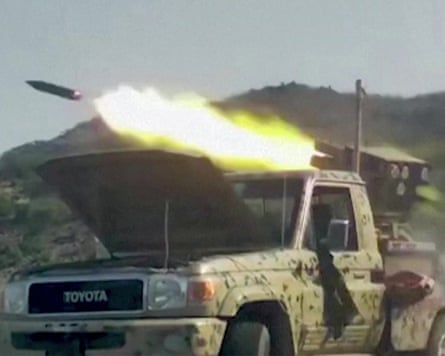
The offensive began under the cover of darkness, utilizing drone swarms, anti-ship ballistic missile cover, and highly coordinated ground maneuvers. Local coalition-backed forces, which had held the port since recapturing it in 2017, were forced to retreat inland toward Taiz after their defensive lines collapsed under intense bombardment.
By capturing Mocha, the Houthis have effectively secured a continuous strip of coastal territory running from the northern border with Saudi Arabia down to the gates of the Bab-el-Mandeb Strait. This strategic chokepoint, measuring just 18 miles wide at its narrowest point, serves as the southern gateway to the Suez Canal, facilitating the passage of nearly 12% of global seaborne trade and millions of barrels of crude oil daily.
Executive Summary: Key Takeaways
- The Capture: Houthi forces have seized the historic port city of Mocha, consolidating their grip on Yemen’s critical Red Sea coastline.
- Geopolitical Stakes: With this victory, Iran-backed proxies move closer to securing operational control over two of the world's most vital maritime chokepoints: the Bab-el-Mandeb Strait and the Strait of Hormuz.
- Washington’s Reaction: The escalation directly challenges the U.S. administration, amid repeated, highly charged warnings from Donald Trump to "wipe out" Iran if regional proxy attacks continue to threaten American interests.
- Economic Shockwaves: Marine insurance premiums have spiked immediately by 35%, and global shipping giants are preparing to reroute remaining Red Sea traffic around Africa's Cape of Good Hope.
The Two-Chokepoint Threat: Iran's Growing Maritime Leverage
Military analysts warn that the fall of Mocha represents more than just a localized defeat for Yemen’s internationally recognized government. It represents a massive strategic victory for Tehran’s "Axis of Resistance." International defense officials note that Iran and its proxies are now closer than ever to exerting functional veto power over two of the world’s primary maritime chokepoints: the Bab-el-Mandeb and the Strait of Hormuz.
This geographic leverage gives Tehran immense bargaining power in any future diplomatic or economic negotiations. By threatening both entryways to the Middle East’s primary shipping lanes, the Houthi-Iranian alliance can effectively dictate transit terms, drive up global inflation, and manipulate energy supply chains at will.
The timing of the offensive is particularly combustible. It comes on the heels of repeated warnings from Donald Trump, who has frequently threatened to "wipe out" Iran and its leadership if regional escalation continues. The direct provocation at Mocha presents a severe test of deterrence for Washington, which has struggled to secure the shipping lanes despite ongoing naval patrols and targeted airstrikes under multinational coalition operations.
Global Shipping and Financial Markets React
Within hours of the news, maritime security firms raised the threat level for the southern Red Sea to "Critical." Global shipping majors, already weary from years of sporadic drone and missile attacks, are bracing for a prolonged closure of the Suez Canal route.
The economic impact of the Houthi advance is detailed in the comparative market analysis below:
| Economic Metric | Pre-Mocha Offensive | Post-Mocha Offensive (Projected) | Immediate Economic Impact |
|---|---|---|---|
| Red Sea Shipping Transit Volume | ~45 ships per day (reduced) | < 10 ships per day | Near-total suspension of commercial traffic |
| War Risk Insurance Premium | 0.7% of vessel value | 1.2% - 1.5% of vessel value | Substantial increase in shipping overhead costs |
| Brent Crude Oil Price | $78.50 per barrel | $84.20 per barrel | Energy market volatility and inflationary pressure |
| Asia-to-Europe Freight Rates | $4,200 per 40ft container | $6,800+ per 40ft container | Supply chain delays of 10-14 days via Cape of Good Hope |
What Lies Ahead: A Volatile Geopolitical Horizon
The international community is now scrambling to formulate a response. While the United Nations has called for an immediate ceasefire and a return to the negotiating table, regional experts believe the Houthis have little incentive to halt their advance. The next logical target for the group is the southern port city of Aden, the temporary capital of the internationally recognized government.
If Aden falls, the Houthis will achieve uncontested control over the entirety of Yemen’s western and southern coastal regions. For the U.S. and its allies, the options are narrowing. Further airstrikes have so far failed to degrade Houthi military capabilities permanently, while a direct conflict with Iran carries the catastrophic risk of a broader Middle Eastern war.
For global supply chains, the message is clear: the Red Sea is no longer a reliable transit route, and the global economy must prepare for a costly, long-term reorganization of international trade routes.
Frequently Asked Questions (FAQ)
Why is the port of Mocha so strategically important?
Mocha is located just north of the Bab-el-Mandeb Strait, a narrow maritime gateway connecting the Red Sea to the Gulf of Aden and the Indian Ocean. Whoever controls Mocha can easily launch shore-to-ship missiles, deploy naval mines, and run drone operations to interdict or completely block international commercial shipping heading toward the Suez Canal.
How does this event connect to broader U.S.-Iran tensions?
The Houthis are heavily armed, funded, and trained by Iran. Their control of the Red Sea coast aligns with Iran's broader regional strategy to counter Western influence. The escalation directly challenges the United States, especially given the backdrop of aggressive rhetoric from Donald Trump, who has warned of devastating military action against Iran if regional security red lines are crossed.