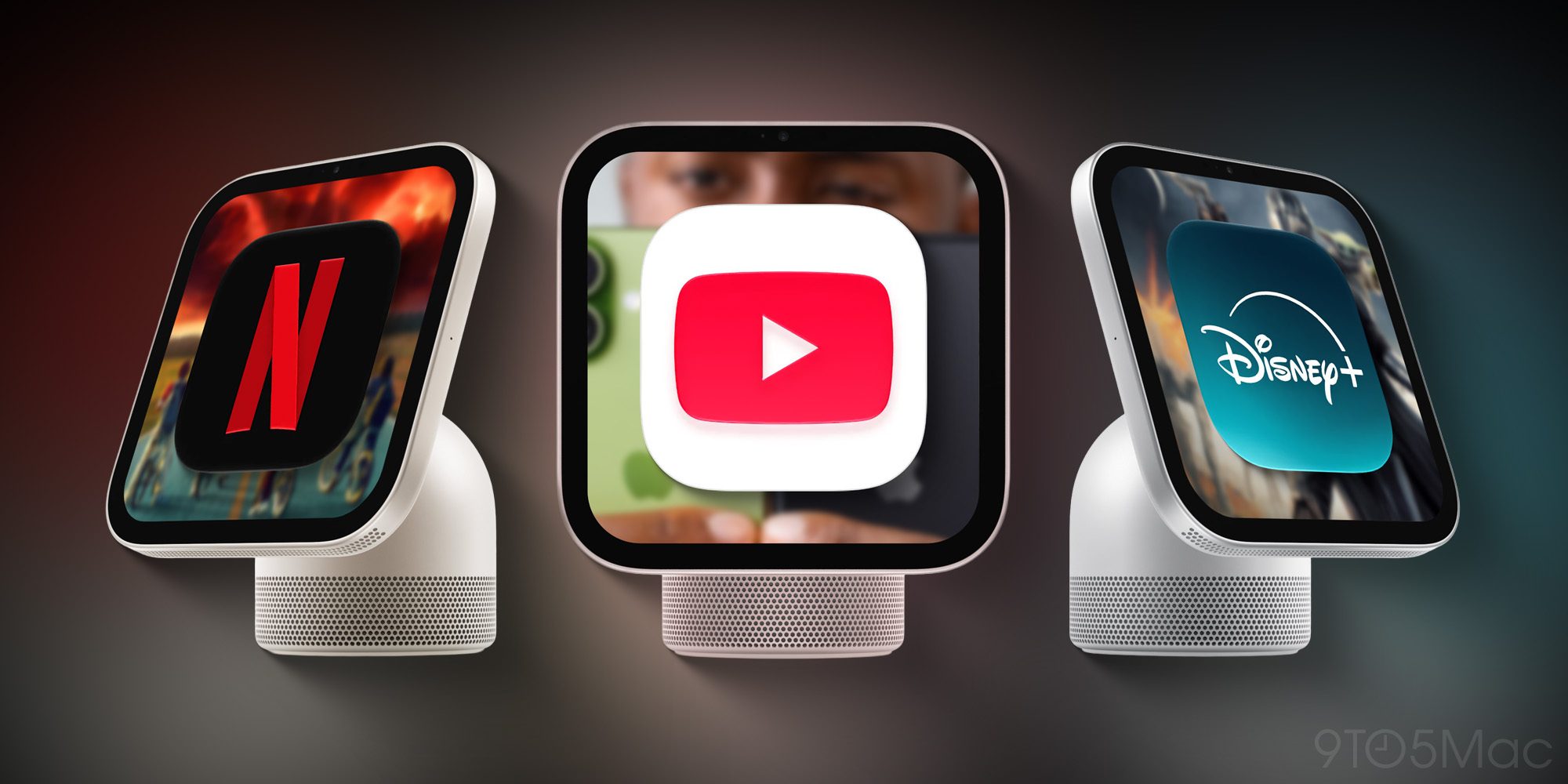
Executive Takeaways
- Conditional Integration: Google’s HomeView hardware interface is architecturally primed to support tier-1 streaming applications like YouTube and Netflix, contingent entirely upon mutual commercial and licensing agreements.
- Ecosystem Control vs. Distribution: The strategy mirrors historical platform plays, balancing proprietary operating system dominance with the imperative of securing premium third-party content partnerships to drive consumer adoption.
- Monetization & Valuation Impact: For institutional investors, the success of HomeView hinges on high-margin software services, advertising inventory expansion, and enterprise ROI metrics.
- Regulatory and Antitrust Scrutiny: Aggressive bundling and platform gatekeeping are drawing intense regulatory oversight, potentially constraining how Google negotiates app integration terms.
The modern consumer technology landscape is governed by a simple, unyielding economic truth: hardware is a commodity; distribution is an empire. In a high-stakes strategic pivot, Google has positioned its latest platform iteration, HomeView, at the bleeding edge of the connected home wars. Yet, behind the polished keynote presentations and sleek industrial design lies a complex commercial standoff. HomeView is fully engineered to support dominant video applications including YouTube and Netflix—with one monumental caveat: if they say yes.
This conditional reality exposes the delicate power dynamics shaping the intersection of consumer electronics, cloud compute architecture, and digital entertainment. As enterprise margins compress and consumer hardware replacement cycles lengthen, tech conglomerates are shifting capital allocation toward software ecosystems and recurring revenue streams. For Google, HomeView is not merely a smart-display evolution; it is a Trojan horse designed to capture the living room's most valuable real estate. However, securing the compliance and integration of tier-1 streaming giants requires navigating a labyrinth of data-sharing demands, revenue-split negotiations, and long-term platform positioning.
The Architectural Blueprint and the Cost of Admission
To understand the friction points between Google and streaming providers, one must examine the underlying infrastructure of HomeView. Built on a modular, high-throughput software framework optimized for edge computing and low-latency video streaming, HomeView requires sophisticated API integration to deliver the cinematic fidelity consumers demand. Google’s engineering teams have spent millions optimizing cloud compute architecture to ensure seamless rendering, yet raw capability means little without content.
Historically, platform developers dictate terms to application developers. In mobile ecosystems, Apple and Google successfully enforced strict commission structures, extracting a percentage of in-app transactions under the threat of exclusion. However, the connected TV and smart-display ecosystem operates under a vastly different economic model. Companies like Netflix command massive consumer brand equity and pricing power. They do not merely need distribution platforms; platform platforms desperately need them to justify hardware purchases to retail buyers.
Consequently, the negotiations surrounding HomeView are less about technical feasibility and more about strategic leverage. Streaming providers are acutely protective of their user interface, telemetry data, and customer billing relationships. Allowing HomeView to natively aggregate their content without retaining granular control over user engagement metrics is a non-starter for executive boards accustomed to ruling their own digital domains.
Capital Allocation, Risk Mitigation, and Enterprise ROI
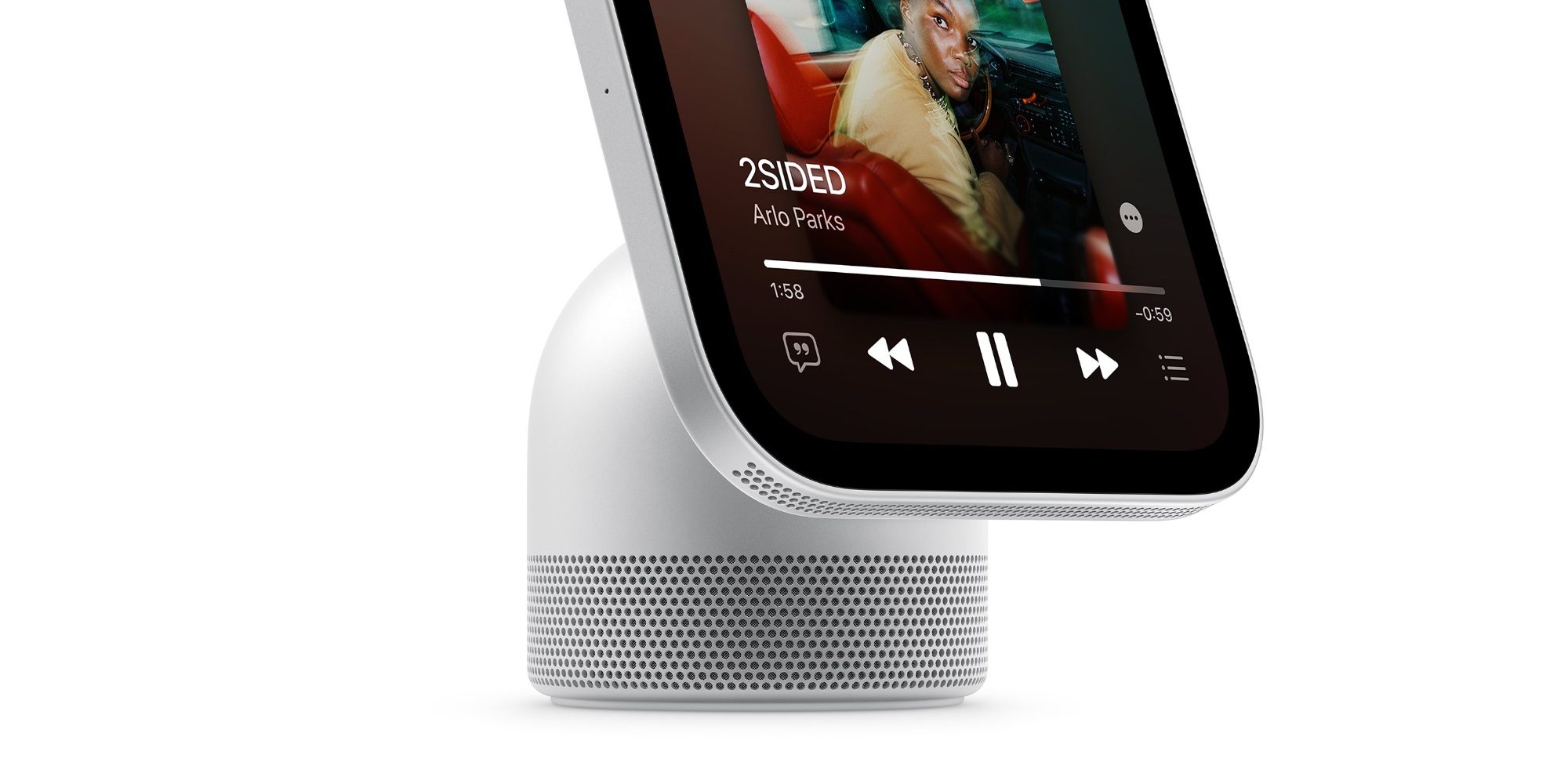
From a financial perspective, HomeView represents a high-risk, high-reward capital expenditure. Alphabet’s hardware division operates under constant pressure to demonstrate sustainable valuation multiples akin to SaaS enterprises rather than cyclical device manufacturers. By integrating third-party video apps, Google aims to increase daily active usage (DAU), thereby driving programmatic advertising yields and reinforcing its core digital advertising engine.
| Strategic Metric | Google HomeView Objective | Streaming Partner Priority | Market Impact |
|---|---|---|---|
| Data Telemetry | Centralized user behavior tracking across apps | Proprietary first-party data ownership | High tension over privacy and ad-targeting rights |
| Monetization Model | Ad inventory sharing and subscription cuts | Zero platform tax on subscription renewals | Protracted commercial contract negotiations |
| User Interface (UI) | Unified discovery feed powered by AI | Brand-immersion and bespoke app design | UX compromises required to satisfy both parties |
| Infrastructure Cost | Edge computing and bandwidth optimization | CDN overhead reduction | Shared investment in cloud efficiency |
Yet, risk mitigation remains paramount. If major services decline integration, HomeView risks facing the graveyard of orphaned consumer hardware—devices rendered obsolete not by technological failure, but by ecosystem starvation. Institutional investors are closely monitoring these negotiations, knowing that software scalability relies entirely on content ubiquity. Without Netflix, Disney+, and Prime Video sitting comfortably on the HomeView dashboard, consumer adoption curves risk flattening prematurely.
Regulatory Compliance and Antitrust Pressures
Compounding these commercial negotiations is an increasingly hostile regulatory climate. Antitrust watchdogs in the European Union, the United States, and the United Kingdom are scrutinizing gatekeeper platforms with unprecedented aggression. Google’s conditional stance—supporting apps "if they say yes"—will be dissected by legal experts to determine whether it constitutes anticompetitive tying or fair commercial bargaining.
If Google offers preferential treatment to YouTube (its wholly-owned subsidiary) while imposing onerous terms on third-party competitors like Netflix, it invites immediate regulatory intervention. Conversely, if terms are kept entirely equitable, Google risks diluting its own platform advantages. Navigating this regulatory tightrope requires sophisticated legal compliance frameworks and transparent licensing agreements that can withstand intense judicial review.
Frequently Asked Questions (People Also Ask)
What determines whether streaming apps like Netflix will integrate with HomeView?
Integration depends on commercial terms regarding revenue sharing, data telemetry ownership, and user interface control. Streaming providers evaluate whether appearing on HomeView drives incremental subscriber growth at an acceptable margin compared to direct-to-consumer apps.
How does HomeView impact Google’s broader advertising and enterprise strategy?
HomeView serves as an ecosystem anchor designed to expand Google’s addressable advertising inventory in connected living rooms. Success directly improves high-margin software revenues, diversifying Alphabet's income streams away from traditional search.
Are there antitrust risks associated with Google’s app integration policies?
Yes. Because Google operates its own video platform (YouTube) alongside the HomeView OS, regulatory bodies closely monitor negotiations to ensure third-party apps are not subjected to discriminatory terms or unfair bundling practices.
What technological infrastructure is required to support HomeView's video apps?
HomeView relies on advanced cloud compute architecture, low-latency API bridges, and secure edge rendering protocols to ensure high-definition streaming without hardware bottlenecks.
Future Outlook and Strategic Milestones
As HomeView rolls out across global markets, industry analysts will be tracking specific leading indicators to gauge its long-term viability. The primary milestone to watch is the formal announcement of launch partners. If tier-1 streaming providers sign on early, it signals that Google has offered commercial concessions favorable enough to bypass traditional platform friction.
Conversely, a protracted rollout characterized by prominent holdouts will underscore the diminishing leverage of hardware manufacturers in the modern digital economy. Ultimately, HomeView’s fate rests on a delicate diplomatic dance between tech monopolists and entertainment powerhouses. In the battle for the connected home, technology is merely the canvas—content remains the kingmaker.