Executive Takeaways
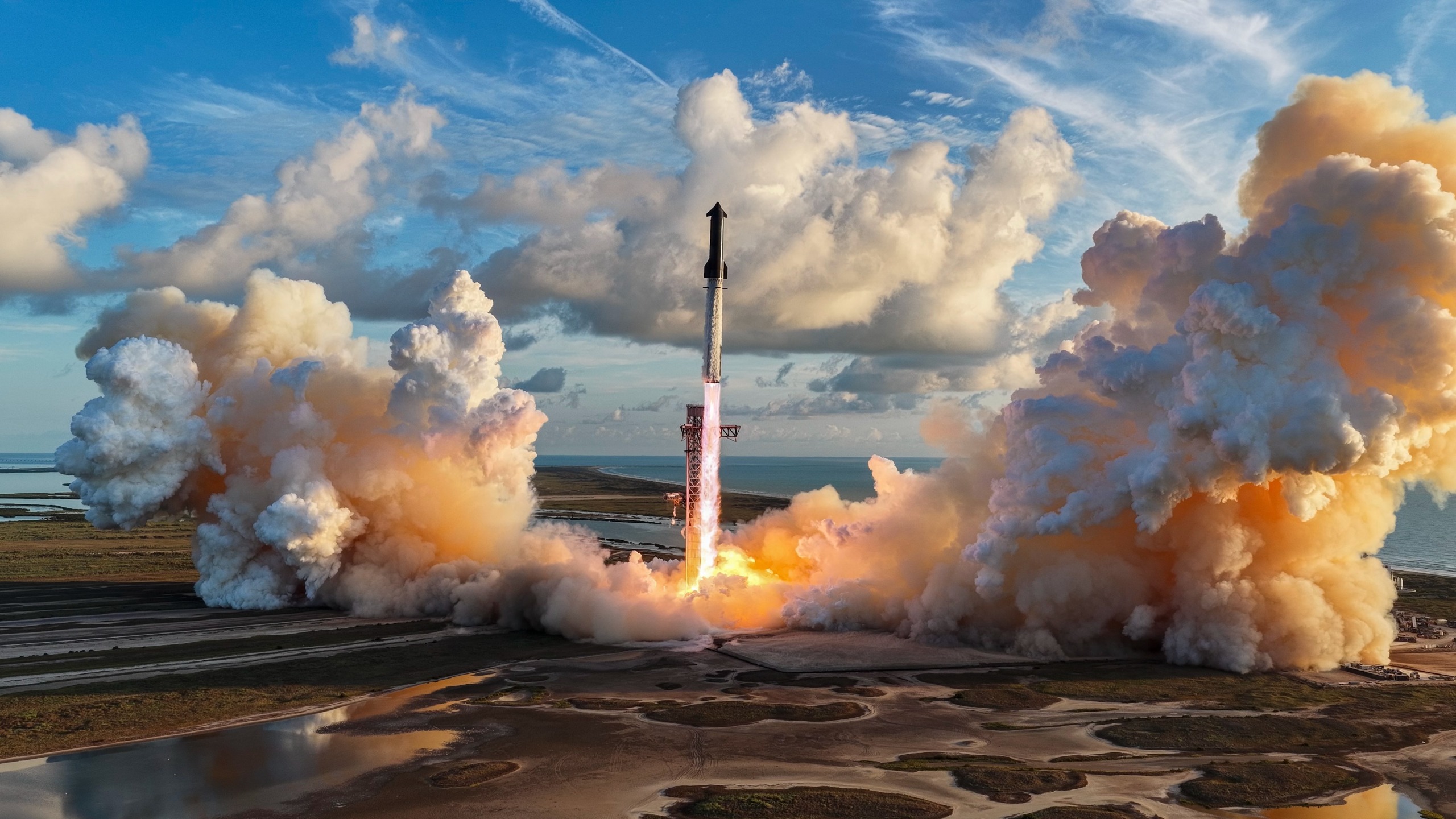
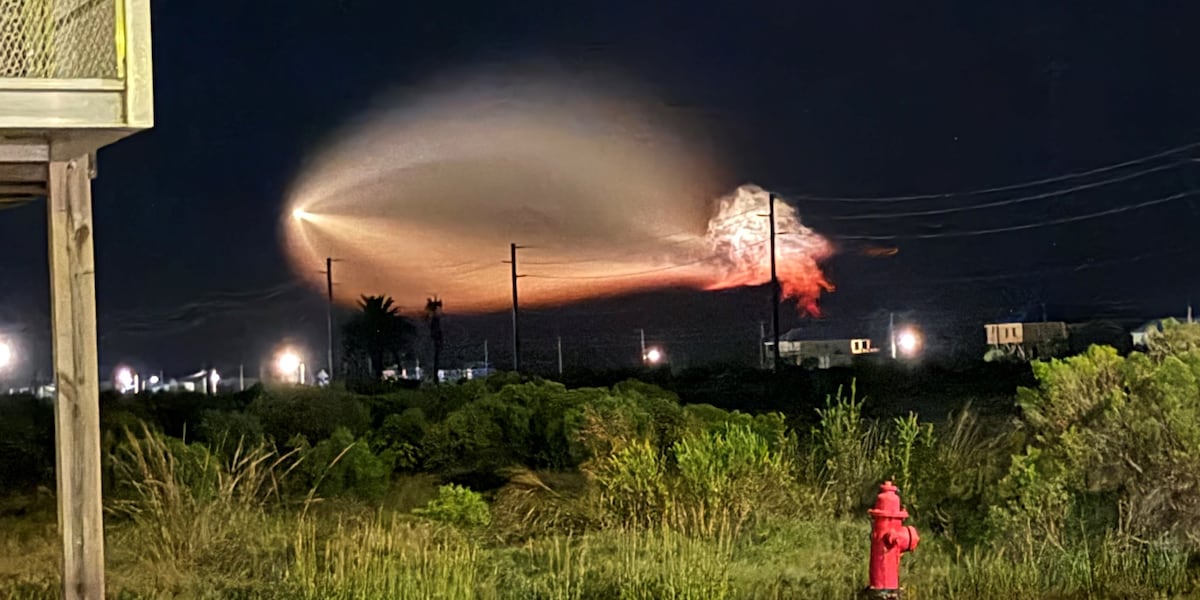
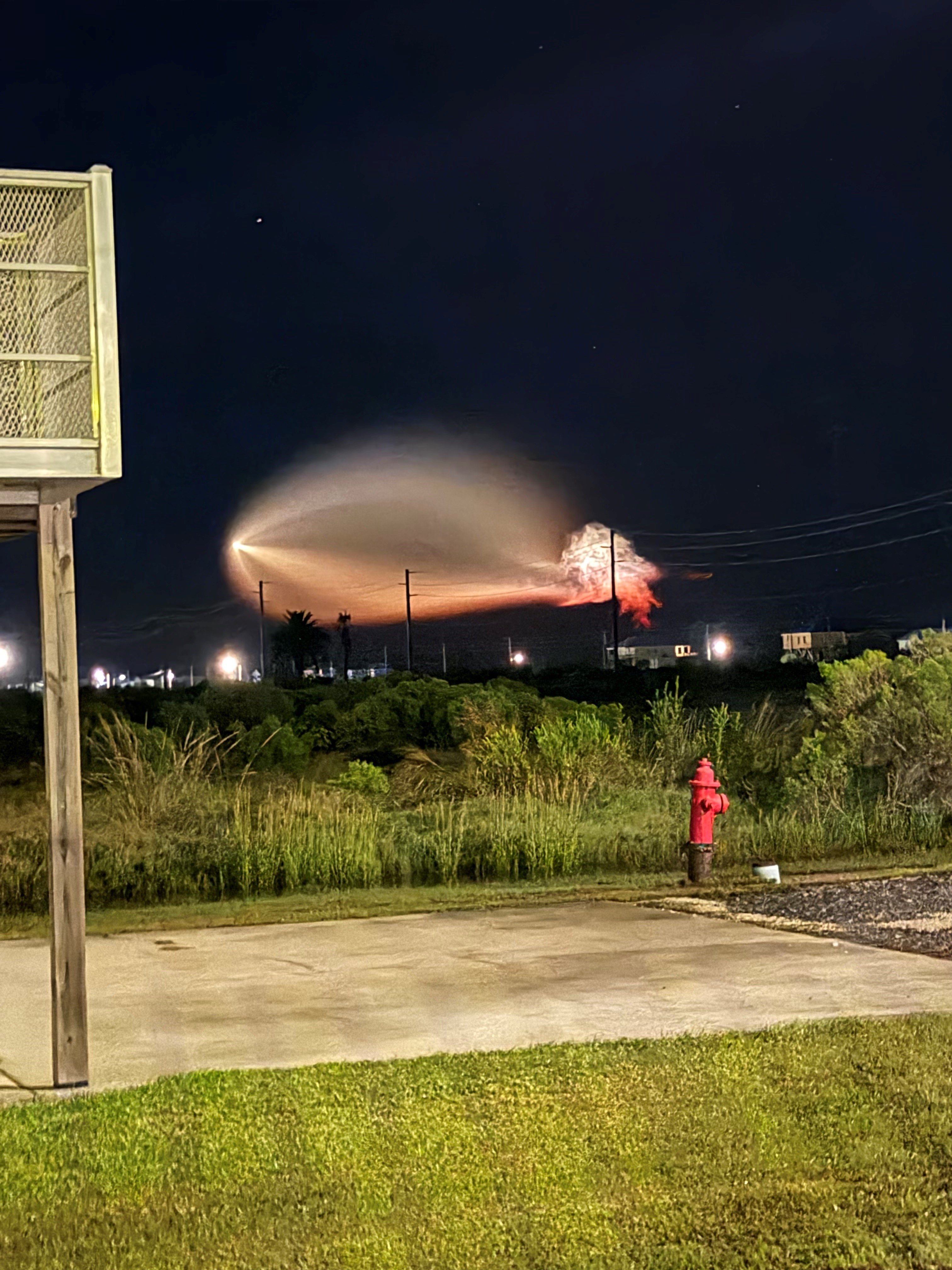
- Atmospheric Phenomenon: A recent SpaceX Falcon 9 rocket launch triggered a dazzling twilight "space jellyfish" atmospheric display, vividly visible across Grand Isle and Southeast Louisiana.
- Aerospace Mechanics: The luminescent plume is the direct result of high-altitude exhaust expansion interacting with direct solar illumination at the mesosphere boundary.
- ханCommercial & Valuation Impact: SpaceX's relentless launch cadence reinforces its dominant market liquidity, infrastructure scalability, and widening competitive moat in global commercial payload delivery.
- Regulatory & Regional Dynamics: Increased launch frequencies continue to prompt rigorous evaluations regarding coastal environmental impacts, airspace management, and cross-jurisdictional regulatory compliance.
GRAND ISLE, La. — In the predawn hours of Tuesday, residents along the barrier islands of Southeast Louisiana and the sprawling bayous of the Gulf Coast were treated to a rare, ethereal spectacle. A SpaceX Falcon 9 rocket ascending from the Florida space coast punched through the stratosphere, leaving in its wake a sprawling, iridescent plume colloquially dubbed a "space jellyfish." The luminous phenomenon, characterized by an expansive, glowing bell and trailing tentacles of ionized gas, illuminated the pre-dawn sky from Grand Isle to New Orleans, capturing the attention of astrophotographers, casual onlookers, and aerospace analysts alike.
While the visual spectacle provided a momentary pause for coastal residents, the underlying mechanics of the launch underscore a much larger industrial narrative. SpaceX’s routine cadence of orbital insertions is no longer merely a marvel of modern rocketry; it represents an accelerating transformation of the global aerospace supply chain, capital allocation strategies, and commercial infrastructure scalability. As valuation multiples for private space enterprises continue to command premium figures, events like the Louisiana "space jellyfish" serve as vivid reminders of the growing intersection between commercial enterprise, heavy-lift engineering, and public engagement.
The Physics Behind the Phenomenon: Why the Sky Glowed Over the Gulf
To the untrained observer, the glowing, multi-colored gaseous formation appearing over Grand Isle might have seemed like an atmospheric anomaly or an unexplainable celestial visitor. However, aerospace engineers and atmospheric scientists point to precise thermodynamic and optical principles. When a rocket like the Falcon 9 ascends through the upper atmosphere during specific twilight windows—when the surface is shrouded in darkness but the upper layers remain illuminated by the sun—its exhaust plume undergoes rapid expansion.
At altitudes exceeding 50 miles, where the ambient atmospheric pressure is a fraction of sea level, the combustion gases exiting the second-stage engine expand enormously. As these exhaust molecules—primarily water vapor and carbon dioxide—encounter unscattered, direct sunlight in the mesosphere and lower thermosphere, they catch the light and scatter it back toward the darkened Earth below. The resulting interplay of pressure differentials, thermal cooling, and solar refraction creates the signature "bell" shape and glowing tendrils that define the space jellyfish effect.
For Southeast Louisiana, which frequently serves as a peripheral viewing corridor for launches originating from Cape Canaveral Space Force Station or NASA’s Kennedy Space Center, clear atmospheric conditions over the Gulf of Mexico provide an optimal viewing theater. The event galvanized local communities, sparking intense digital engagement across social media channels and driving localized tourism as sky-watchers positioned themselves along the Gulf Coast to capture the fleeting cosmic art.
Commercial Momentum and Infrastructure Scalability
Beyond the aesthetic wonder, the launch highlights the relentless operational tempo that has become the hallmark of SpaceX under CEO Elon Musk. In the modern commercial space economy, launch frequency is directly correlated with enterprise ROI and market dominance. Each successful mission reinforces the viability of first-stage booster reuse, a critical risk-mitigation strategy that dramatically compresses capital expenditure cycles and expands profit margins.
Market analysts monitoring the aerospace sector note that SpaceX’s ability to execute multiple missions per week creates formidable barriers to entry for legacy aerospace contractors and emerging startups alike. The company's vertically integrated supply chain and standardized manufacturing protocols allow it to maintain unmatched pricing power for commercial satellite operators, scientific institutions, and defense payloads. Consequently, private market valuations for SpaceX continue to defy broader macroeconomic headwinds, supported by robust liquidity and intense institutional investor demand.
| Metric / Parameter | SpaceX Falcon 9 Baseline | Industry Average / Context | Strategic Impact |
|---|---|---|---|
| Booster Recovery Rate | >90% Successful Landings | <15% Industry Standard | Dramatically lowers marginal cost per launch and secures high operating margins. |
| Annual Launch Cadence | 100+ Missions / Year | 1 to 10 Missions / Year (Competitors) | Accelerates constellation deployment and revenue realization. |
| Payload Capacity (LEO) | Up to 22,800 kg (Expendable) | Varies widely by vehicle class | Maximizes enterprise ROI per flight through heavy-lift optimization. |
| Regulatory Approvals | Streamlined FAA Licensing | Extended environmental reviews | Ensures uninterrupted operational pipelines despite regulatory scrutiny. |
Regulatory Scrutiny and Environmental Compliance
As launch frequencies scale upward toward unprecedented targets, the intersection of commercial space activity and regional ecosystems faces heightened scrutiny. Environmental advocacy groups and federal regulators are increasingly tasked with balancing the imperatives of commercial space enterprise with rigorous environmental compliance along sensitive coastlines, including the marshlands of Southeast Louisiana and the Gulf of Mexico debris corridors.
While twilight phenomena like the space jellyfish are optically harmless, the physical cadence of rocket operations introduces legitimate policy discussions surrounding airspace management, marine shipping lane closures, and acoustic impacts on coastal wildlife habitats. Federal agencies, including the Federal Aviation Administration (FAA) and the National Oceanic and Atmospheric Administration (NOAA), continue to refine regulatory frameworks to accommodate high-frequency launch schedules without compromising ecological integrity. Industry stakeholders recognize that proactive risk mitigation and transparent community engagement are vital to securing long-term social licenses to operate.
Frequently Asked Questions (People Also Ask)
What causes a "space jellyfish" to appear in the sky?
A space jellyfish is formed when a rocket launches during twilight hours (before dawn or after sunset) while the surface is dark, but high altitudes remain illuminated by the sun. As the rocket's second-stage engine fires in the upper atmosphere (mesosphere/thermosphere), the exhaust gases expand enormously due to low ambient pressure. These expanding gas plumes catch direct sunlight, creating a glowing, translucent bell-shaped cloud and ionized trails that are visible from hundreds of miles away.
Is the space jellyfish phenomenon harmful to humans or the environment?
No, the visual phenomenon itself is entirely harmless. It is simply sunlight reflecting off high-altitude water vapor and exhaust gases from the rocket's combustion process. The gases disperse rapidly in the upper atmosphere and pose no toxic or physical threat to people on the ground.
Why are these rocket launches visible from Southeast Louisiana?
Southeast Louisiana and the Gulf Coast lie along the trajectory corridor for certain orbital launches originating from Florida-based spaceports, such as Cape Canaveral. When weather conditions are clear and atmospheric visibility is high, residents across Grand Isle and surrounding parishes have a direct line of sight to the high-altitude trajectories of ascending rockets.
How does high launch frequency impact the commercial aerospace market?
High launch cadences—exemplified by SpaceX's reusable Falcon 9 fleet—drastically reduce the cost per kilogram of payload delivered to orbit. This operational efficiency improves capital allocation, accelerates infrastructure scalability for satellite constellations, strengthens enterprise valuation multiples, and reinforces market dominance against competing aerospace firms.
Future Outlook: Navigating the New Orbital Economy
The luminous trail over Grand Isle serves as a visual metaphor for the broader trajectory of the twenty-first-century space economy: brilliant, rapidly expanding, and increasingly integrated into everyday terrestrial life. As commercial entities push toward heavier payloads, deeper interplanetary exploration, and ubiquitous global broadband connectivity, the frequency of twilight atmospheric spectacles is projected to rise commensurately.
For investors, policymakers, and industry executives, the imperative moving forward lies in harmonizing rapid technological innovation with sound regulatory compliance and ecological stewardship. Stakeholders who successfully navigate this complex matrix of infrastructure scalability, risk mitigation, and market liquidity will dictate the parameters of the orbital frontier. Meanwhile, for the residents of Southeast Louisiana and coastal watchers worldwide, the heavens will continue to offer occasional reminders that humanity's reach into the cosmos is accelerating faster than ever before.