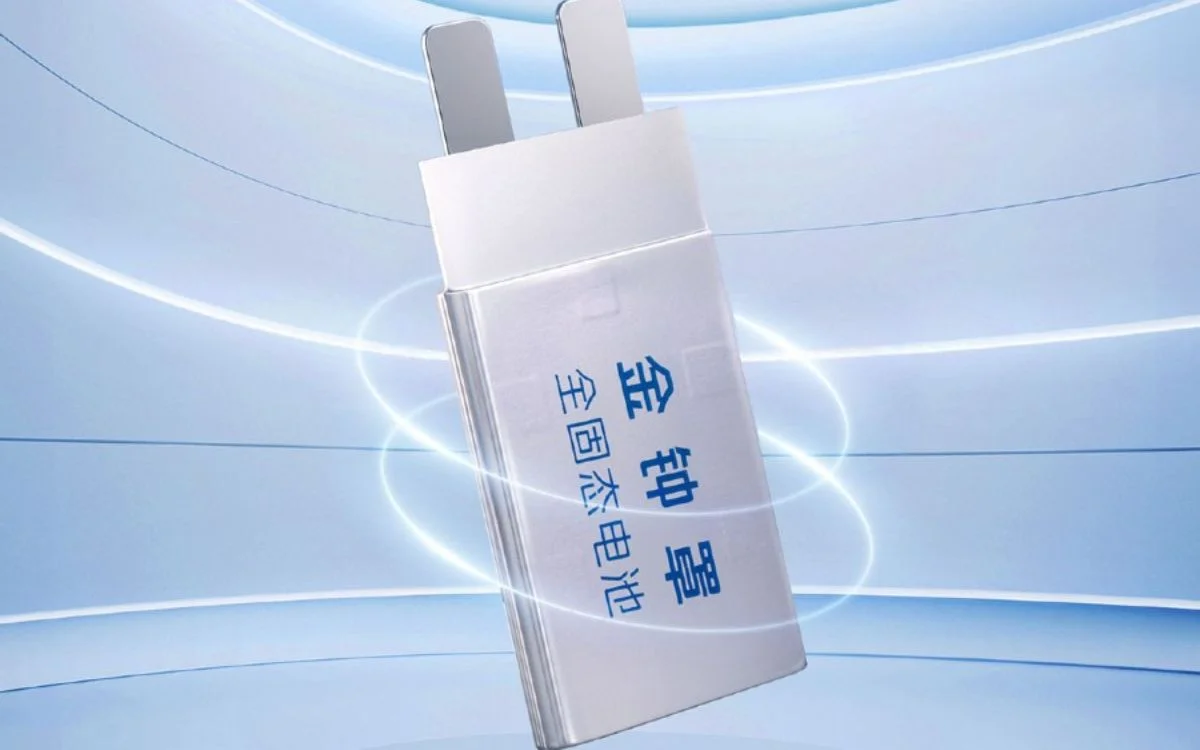
BEIJING & DETROIT — The holy grail of electric vehicle technology has officially transitioned from laboratory theory to commercial reality. According to recent reports from the automotive front lines, solid-state EV batteries are now rolling out in production capacities across China, shattering historical range anxiety with the promise of nearly 1,000 miles on a single charge.
This development marks a seismic shift in the global energy landscape. For years, legacy automakers in Detroit, Wolfsburg, and Tokyo viewed solid-state batteries as a decade-away horizon technology plagued by manufacturing bottlenecks and prohibitive costs. China’s aggressive commercialization strategy has abruptly compressed that timeline, forcing an urgent recalculation among Western and Asian competitors who now risk watching the next generation of transportation pass them by.
The Anatomy of a Paradigm Shift
Traditional electric vehicles rely on liquid lithium-ion cells. While reliable, these batteries face intrinsic physical limits regarding energy density, charging speed, and thermal stability. Liquid electrolytes are flammable under extreme duress and degrade steadily over thousands of charge cycles.
Solid-state technology replaces this volatile liquid medium with a solid electrolyte—typically ceramic, glass, or solid polymers. The results are nothing short of revolutionary:
- Unprecedented Range: Energy density increases by upwards of 50% to 100%, allowing passenger vehicles to cross the 1,000-mile (approx. 1,600 km) threshold without refueling.
- Hyper-Fast Charging: Solid electrolytes permit significantly higher ionic conductivity, slashing replenishment times to a fraction of current DC fast-charging standards.
- Enhanced Safety: The elimination of volatile liquid solvents drastically reduces the risk of thermal runaway, effectively neutralizing fire hazards.
- Extended Lifespan: Reduced degradation rates mean battery packs can outlast the vehicle chassis itself, fundamentally altering the secondary EV market.
Industry analysts point out that China’s state-backed supply chain integration has given its domestic cell manufacturers a decisive advantage. By subsidizing raw material processing and streamlining factory deployment, companies within the ecosystem have successfully bypassed the scaling hurdles that continue to plague Western startups.
Market Implications: A New Geopolitical Battery Race
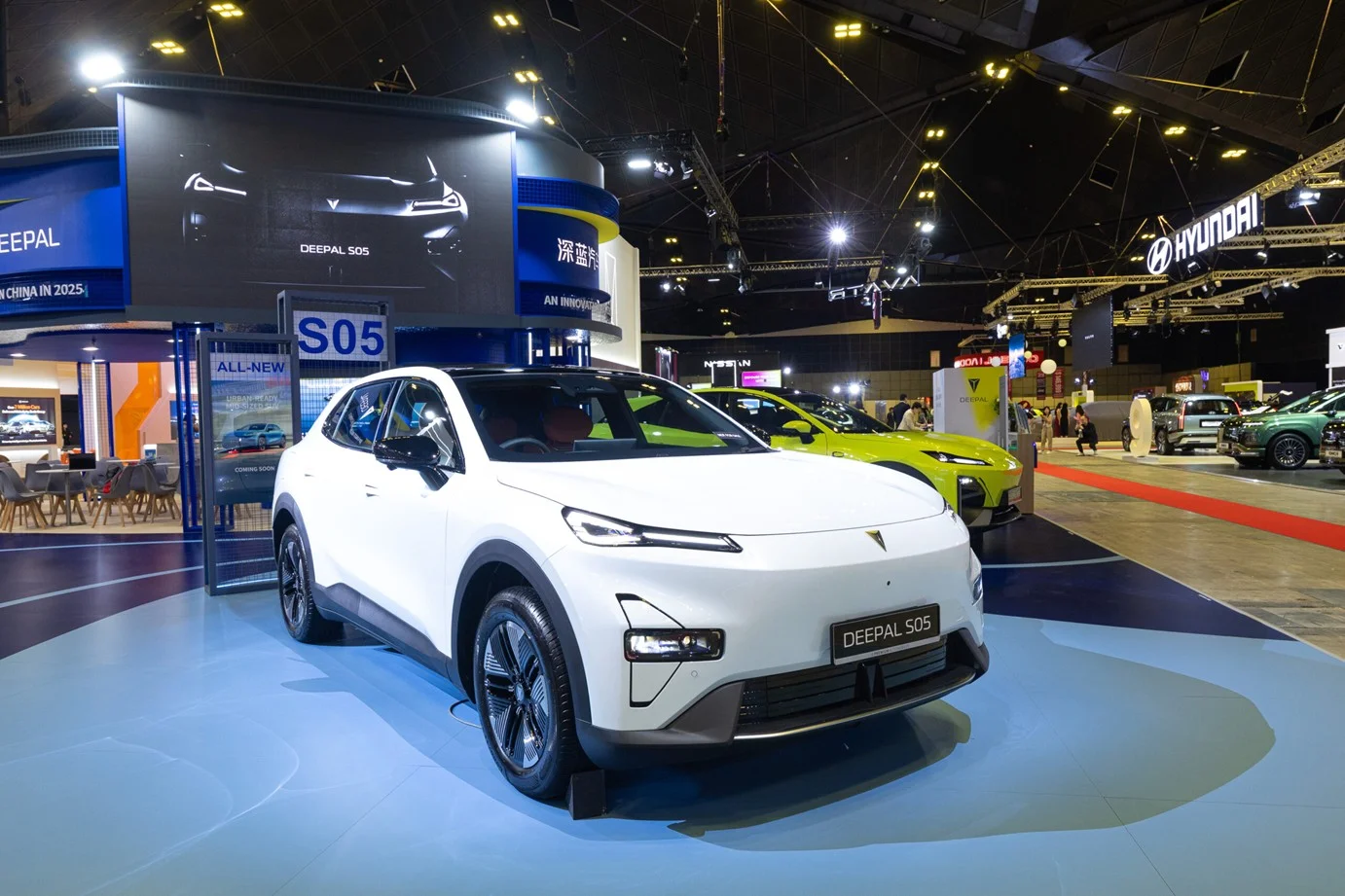
The commercial rollout in China sends shockwaves through international markets. For decades, the internal combustion engine defined automotive supremacy. Over the last ten years, lithium-ion battery supply chains became the new battleground. Now, solid-state architecture represents the ultimate high ground.
European and American executives are facing intense pressure from investors. General Motors, Ford, Volkswagen, and Toyota have all poured billions into proprietary solid-state research, but none have achieved mass-market deployment at this scale. The fear on Wall Street and in European financial hubs is that Chinese manufacturers will capture global market share before Western factories even break ground on solid-state production lines.
| Metric | Traditional Li-Ion Batteries | New Solid-State Rollout |
|---|---|---|
| Average Driving Range | 250 �� 350 miles | Up to 1,000 miles |
| Electrolyte State | Flammable Liquid | Stable Solid (Ceramic/Polymer) |
| Thermal Safety Risk | Moderate to High (Thermal Runaway) | Near Zero |
| Commercial Readiness | Fully Commercialized | Early Rollout / Scaling in China |
Challenges That Still Lie Ahead
Despite the celebratory tone within Chinese industrial circles, technical hurdles remain before solid-state batteries achieve ubiquitous global adoption. Manufacturing yield rates are notoriously difficult to stabilize. Producing solid electrolytes requires ultra-clean environments and precise pressure application during assembly.
Furthermore, capital expenditure costs for retooling existing gigafactories are immense. Automakers cannot simply tweak current production lines; they must engineer entirely new manufacturing paradigms. However, as production volume scales within China, economies of scale are expected to drive per-kilowatt-hour costs down rapidly, putting additional pricing pressure on global competitors.
Frequently Asked Questions
When will solid-state EVs be available outside of China?
While initial rollouts are concentrated in the Chinese domestic market, international automakers and joint ventures are aggressively racing to import or replicate the technology. Most industry forecasts project limited global availability in high-end luxury models by late 2027, with broader market penetration expected toward the end of the decade.
Do solid-state batteries require completely different charging infrastructure?
No. Solid-state batteries are designed to be fully compatible with existing DC fast-charging networks. However, because of their superior thermal management and higher energy acceptance rates, they will be capable of drawing significantly higher wattage without degrading the cell health, assuming the charging stalls themselves are upgraded to support faster throughput.
The Outlook for Global Mobility
The deployment of 1,000-mile solid-state batteries marks the definitive crossing of the Rubicon for the electric vehicle revolution. Range anxiety—the single most persistent consumer barrier to EV adoption—is effectively being engineered out of existence.
For global automotive leadership, the message from the factory floors of Beijing is unmistakable: the future of transportation is no longer a distant roadmap. It is rolling off assembly lines today, and the rest of the world must run to catch up.