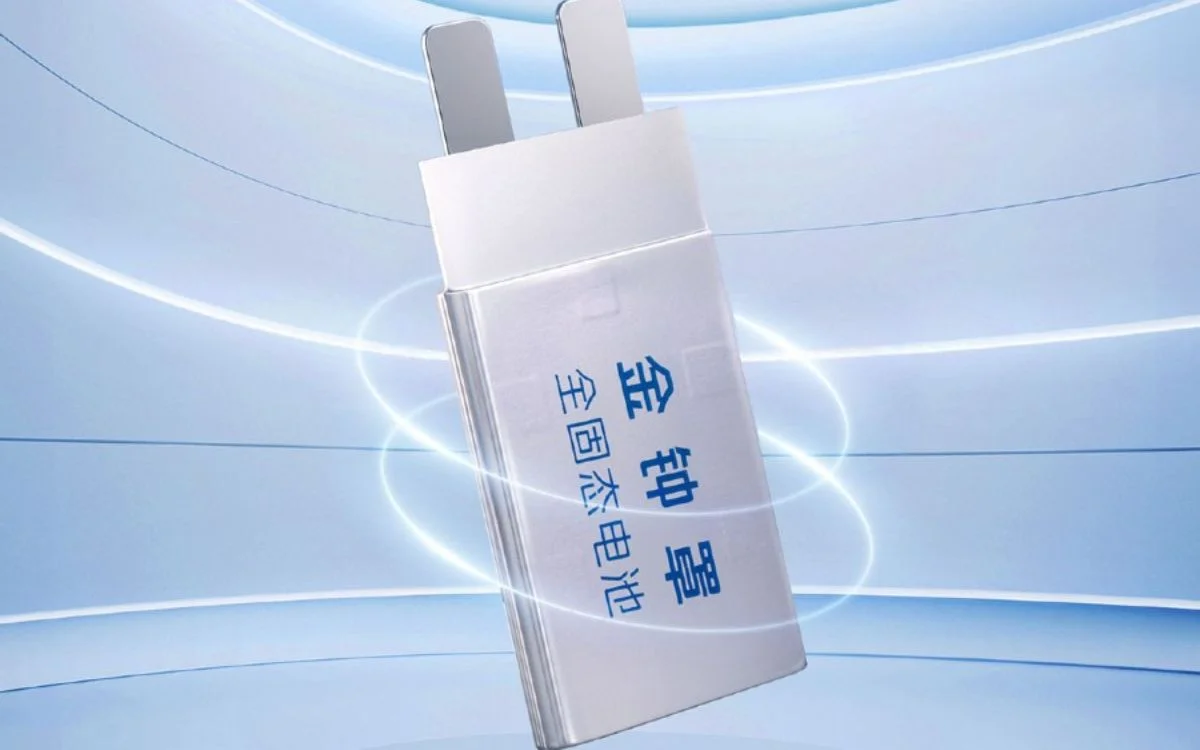
BEIJING and NEW DELHI — In what industry insiders are calling a pivotal "Sputnik moment" for the global automotive industry, the holy grail of electric vehicle technology has officially transitioned from laboratory promise to commercial reality on Chinese highways. Solid-state and advanced semi-solid-state batteries, capable of delivering a staggering 1,000 miles (approx. 1,600 kilometers) of range on a single charge, are rolling off assembly lines and entering consumer vehicles in China.
According to reports verified by industry tracking platforms, including Electrek, Chinese battery manufacturers and EV disruptors have successfully bypassed the manufacturing bottlenecks that have stymied Western giants like Tesla, Ford, and Toyota for a decade. The commercial deployment marks a dramatic escalation in the geopolitical race for battery supremacy, threatening to relegate legacy automakers to a permanent state of catch-up.
The Holy Grail of Range: Inside the Tech Shattering the 1,000-Mile Barrier
For years, the mainstream adoption of electric vehicles has been throttled by two stubborn consumer anxieties: range limitations and charging times. Solid-state technology systematically dismantles both barriers. By replacing the highly volatile liquid electrolyte found in conventional lithium-ion cells with a solid conductive material, engineers have unlocked unprecedented energy densities while virtually eliminating the risk of thermal runaway (battery fires).
At the vanguard of this rollout is Beijing-based WeLion, which has partnered with premium EV maker NIO to mass-produce a 150 kWh semi-solid-state battery pack. Boasting an energy density of 360 Wh/kg at the cell level, this battery has already demonstrated its real-world capability in high-profile, live-streamed endurance tests, propelling vehicles across China for over 650 miles without a single stop. Newer, ultra-dense configurations targeting commercial launch this year are pushing that boundary closer to the coveted 1,000-mile mark under optimized driving cycles.
Simultaneously, SAIC’s premium electric brand, IM Motors, has begun deliveries of its L6 sedan equipped with the "Lightyear" solid-state battery. Developed in partnership with QingTao Energy, this platform utilizes a proprietary solid electrolyte layer to achieve ultra-fast charging capabilities, reclaiming up to 250 miles of range in a mere 12 minutes.
Key Performance Metrics: Traditional vs. Next-Generation Solid-State
To understand the scale of this technological leap, consider how next-generation Chinese solid-state batteries compare against standard lithium-ion packs currently powering Western EVs:
| Metric | Standard Lithium-Ion (2025/2026) | Chinese Solid-State / Semi-Solid (2026 Rollout) | Industry Impact |
|---|---|---|---|
| Energy Density | 240 – 280 Wh/kg | 360 – 500+ Wh/kg | Allows double the capacity in the same physical footprint. |
| Maximum Range | 300 – 400 miles | 800 – 1,000 miles (CLTC) | Renders gasoline range-parity arguments completely obsolete. |
| Charging Speed (10-80%) | 25 – 40 minutes | 10 – 15 minutes | Matches the convenience of a traditional gas-station pitstop. |
| Safety Profile | Moderate (flammable liquid electrolyte) | Excellent (non-flammable solid barrier) | Drastically reduces vehicle recalls and insurance premiums. |
Geopolitical Shockwaves: Detroit and Tokyo on High Alert
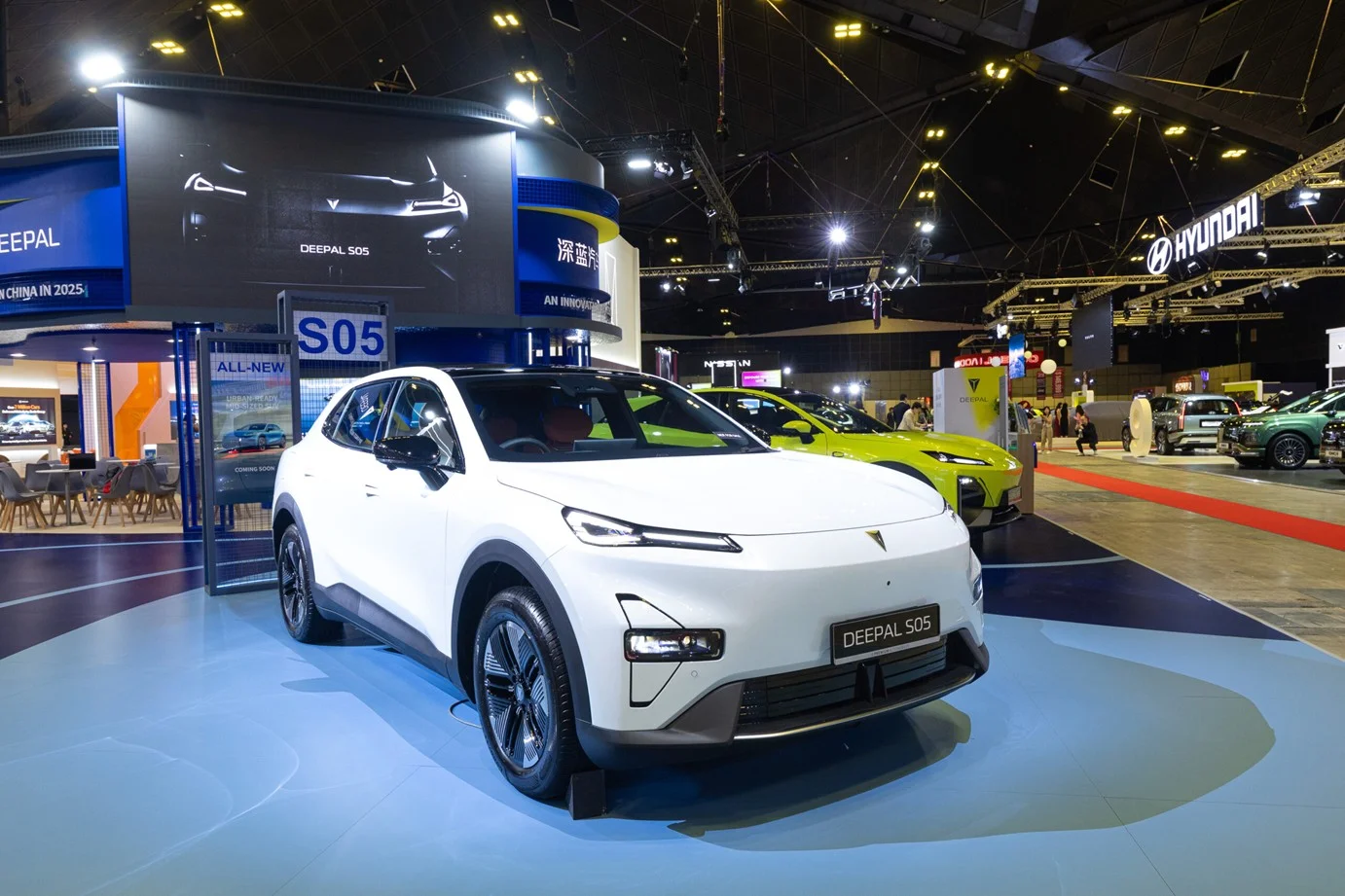
The economic implications of China’s commercial rollout are reverberating through boardrooms in Detroit, Tokyo, and Wolfsburg. Legacy automakers have long relied on a projected timeline that placed commercial solid-state batteries in the 2028–2030 window. Toyota, which holds thousands of solid-state battery patents, has repeatedly pushed back its mass-market deployment schedule, currently aiming for limited production by 2027.
By executing an aggressive, state-backed manufacturing scaling strategy, China has effectively pulled the future forward by two to three years. This leaves Western and Japanese OEMs in a highly vulnerable position. If Chinese automakers can export these ultra-long-range vehicles to highly lucrative markets in Europe, Southeast Asia, and India, they could capture dominant market shares before competitors can spin up their own solid-state supply chains.
"What we are seeing in China is not just a scientific victory; it is a manufacturing masterclass," says an automotive supply chain analyst at a leading Wall Street investment firm. "They didn't wait for the 'perfect' all-solid-state chemistry. They commercialized semi-solid-state iterations, scaled the supply chain, and are now iterating in real-time on public roads while Western companies are still calibrating laboratory prototypes."
The Indian Subcontinent Angle
For markets like India, where the Economic Times reports a critical need for localized, low-cost, high-efficiency EV ecosystems, this development presents a double-edged sword. While the technology offers a definitive cure for India's massive interstate range anxieties and infrastructure deficits, the immediate supply chain dominance of Chinese firms like CATL, BYD, and WeLion threatens to deepen India's import reliance on Beijing for high-value battery cells.
Executive Summary: The Strategic Takeaways
- Commercialization Milestone: Solid-state and semi-solid-state EV battery packs are no longer experimental; they are being actively delivered to consumers in premium Chinese electric vehicles.
- Unprecedented Range: New packs deliver up to 1,000 miles of range under standard testing conditions, backed by advanced chemistries reaching energy densities up to 500 Wh/kg.
- Western Disruption: Legacy OEMs in North America and Europe face an accelerated timeline, with China establishing early dominance in the high-margin, ultra-long-range luxury EV segment.
- Infrastructure Gamechanger: Extreme fast-charging capabilities (10-80% in ~12 minutes) minimize the need for massive public charging footprints, shifting the economics of municipal utility planning.
Frequently Asked Questions (FAQ)
1. Is this technology truly "all-solid-state," or is it a hybrid solution?
Most of the initial batteries rolling out in early 2026 are classified as "semi-solid-state." They utilize a solid electrolyte matrix alongside a highly reduced, gel-like or liquid localized conductive agent to facilitate ion flow. This hybrid design allows manufacturers to utilize existing lithium-ion assembly lines, dramatically lowering production costs and enabling immediate commercial deployment while fully solid-state manufacturing lines continue to mature.
2. When will 1,000-mile solid-state electric vehicles be available in North America and Europe?
While the technology is currently scaling rapidly within China, Western consumers may have to wait. High geopolitical tariffs, protectionist trade policies (such as the U.S. Inflation Reduction Act), and strict import regulations mean that Chinese-branded EVs face steep barriers. However, the technology is expected to enter Western markets via joint ventures, luxury vehicle imports, and licensing agreements by late 2027 or 2028 as global competitors scramble to match the range specifications.