Kremlin Tightens Grip as Russia Casts Ballots in High-Stakes Wartime Parliamentary Election
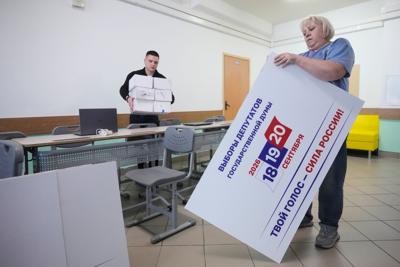
MOSCOW — Millions of Russians headed to the polls on Thursday in a tightly managed parliamentary election designed to cement the Kremlin’s absolute authority amid an ongoing and grinding war. Against a backdrop of intensified state security, suppressed political dissent, and a heavily militarized economy, the vote is widely viewed by international observers as a crucial referendum on President Vladimir Putin’s long-term wartime strategy.
The ballot, unfolding across Russia’s 11 time zones, takes place under extraordinary domestic constraints. Independent media outlets have been largely dismantled or driven into exile, prominent opposition figures are either imprisoned or silenced, and public criticism of the military campaign remains a criminal offense. Despite these barriers, the Kremlin has invested heavily in driving voter turnout to project an image of national unity and unshakeable domestic stability to both its citizens and Western adversaries.
At a Glance: Key Election Facts
- Event: Russian Parliamentary (State Duma) Midterm and Regional Elections
- Primary Objective: Secure supermajorities for the ruling United Russia party and validate Kremlin policies
- Political Climate: Wartime mobilization, suppressed dissent, and strict censorship
- Primary Wire Source: Associated Press (AP News)
- Geopolitical Stakes: Signifies domestic endurance and sets the legislative framework for ongoing military spending
A Referendum on Wartime Governance
Holding a nationwide vote during an active, high-intensity conflict presents profound administrative and political challenges for any government. However, Russian state apparatuses have moved swiftly to insulate the electoral process from external criticism while amplifying pro-Kremlin messaging. State television networks have saturated airwaves with reports linking national security directly to the preservation of the current political establishment.
Economic indicators further frame the political landscape. Fueled by heavy state spending on military hardware and generous state-backed wages for soldiers and defense sector workers, short-term economic metrics have shown surprising resilience against Western sanctions. This artificial fiscal stimulus has created a pocket of working-class loyalty that the ruling party is leveraging heavily at the ballot box.
"The calculation in Moscow is clear: demonstrate total internal cohesion while the West debates fatigue and sustainability," said a prominent geopolitical risk analyst tracking Eastern European markets. "This election is less about choosing alternative policies and more about manufacturing a mandate for protracted conflict."
Opposition Erasure and Controlled Alternatives
The political spectrum inside the parliament remains heavily curated. While nominal opposition parties—such as the Communist Party and the nationalist Liberal Democratic Party—occupy secondary seats, they reliably vote alongside the ruling United Russia bloc on critical national security and budgetary matters. Genuine anti-war voices have been completely barred from participating, leaving disaffected voters with virtually no legal mechanism to register systemic protest.
Independent election monitors, including the Golos movement, have reported widespread administrative pressure on public sector employees, university students, and corporate workers to participate in the early voting phases. Electronic voting systems, heavily expanded in major urban centers like Moscow and St. Petersburg, continue to draw sharp criticism from digital rights advocates who cite a lack of transparent, verifiable audit trails.
| Metric / Dimension | Status / Observation |
|---|---|
| Political Environment | Highly restricted; total ban on anti-war criticism |
| Ruling Party Position | United Russia positioned to maintain or expand supermajority |
| Economic Context | State-driven military Keynesianism masking long-term structural strain |
| International Outlook | Dismissed by Western capitals as a choreographed political exercise |
Global Repercussions and Economic Outlook
For international financial markets and global policymakers, the outcome of the parliamentary vote offers clear signaling regarding Russia's medium-term trajectory. A consolidated Kremlin ensures that fiscal policy will remain rigidly focused on military production, infrastructure pivots toward Asia, and continued circumvention of international trade sanctions.
Energy exports, defense expenditures, and state-directed industrial policy will continue to dictate economic performance. As long as oil revenues and alternative trade routes through nations like China and India remain stable, the Russian domestic economy is positioned to absorb the shocks of prolonged isolation, according to recent macroeconomic forecasts.
However, economists warn that the heavy reliance on defense spending is creating severe labor shortages in civilian sectors and fueling underlying inflationary pressures that could threaten long-term stability once state subsidies eventually taper off.
Frequently Asked Questions
Why is Russia holding parliamentary elections during wartime?
The Kremlin views the election as a vital tool to project national unity, demonstrate domestic support for its military objectives, and establish complete legislative control over the federal budget and domestic policy for the foreseeable future.
Are there any genuine opposition candidates on the ballot?
No. Independent anti-war and pro-reform candidates have been systematically barred from running through legal hurdles, disqualifications, or exile, leaving only Kremlin-approved or loyal opposition parties in the race.