‘New McCarthyism’ Red Scare? Federal Probe Targets Cuba Solidarity Groups, Igniting Civil Liberties Showdown
WASHINGTON — A sweeping federal inquiry into domestic organizations advocating for normalized relations with Cuba has ignited a fierce constitutional battle, drawing sharp accusations from civil liberties attorneys and progressive lawmakers that federal law enforcement is orchestrating a modern-day political witch hunt.
According to wire dispatches and legal filings revealed Tuesday, the Department of Justice (DOJ), in tandem with the Department of the Treasury’s Office of Foreign Assets Control (OFAC) and the Federal Bureau of Investigation (FBI), has issued dozens of grand jury subpoenas, served administrative demands, and conducted unannounced field interviews targeting prominent non-governmental organizations, humanitarian networks, and academic exchange organizers focused on U.S.-Cuba relations.
The aggressive campaign—characterized by affected groups as a revival of Cold War-era intimidation tactics—signals an intensifying weaponization of federal regulatory and counterintelligence mechanisms against grassroots political speech.
The Federal Dragnet: Grand Juries, FARA, and Sanctions Audits
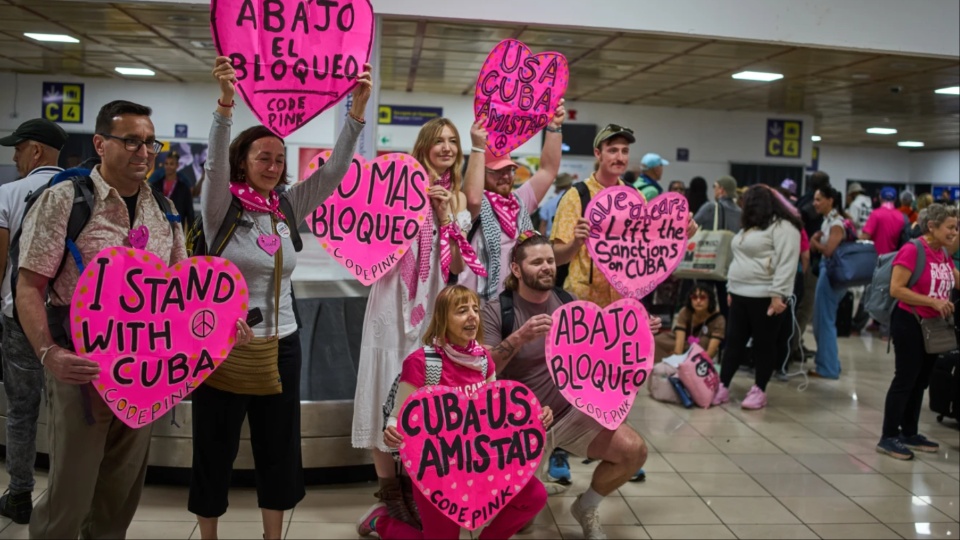
The breadth of the interagency probe spans multiple states, zeroing in on key solidarity coalitions, independent media collectives, and charitable missions that facilitate medical aid and cultural delegations to Havana. At the center of the investigation are suspected violations of the Foreign Agents Registration Act (FARA) and federal embargo regulations codified under the Trading with the Enemy Act and the Helms-Burton Act.
Attorneys representing targeted entities report that federal agents have demanded comprehensive rosters of donors, internal communications, financial transaction ledgers, and travel registries dating back more than five years. In several documented instances, domestic bank accounts belonging to 501(c)(3) non-profit operations have been abruptly frozen under unspecified "compliance reviews" triggered by federal inquiries.
While the Justice Department has declined to confirm the specific targets of ongoing grand jury proceedings, federal authorities have framed heightened scrutiny of foreign-facing advocacy as a legitimate national security imperative designed to identify undeclared foreign lobbying and illicit offshore financing channels.
Executive Summary: Key Tenets of the Crackdown

- Sweeping Subpoenas: Broad demands for internal internal memos, donor records, and travel itineraries issued to grassroots Cuba solidarity networks, peace advocates, and humanitarian projects.
- Statutory Weaponry: Aggressive invocation of FARA statutes alongside OFAC sanctions enforcement to criminalize cross-border civic dialogue and unauthorized material aid.
- Financial Disruption: Coordinated de-banking actions and asset freezes directed against humanitarian convoys and non-profit fiscal sponsors without prior notice or formal charges.
- Chilling Precedent: Civil rights organizations warn the dragnet sets a dangerous template for criminalizing domestic advocacy opposed to prevailing U.S. foreign policy doctrine.
‘A Modern Inquisition’: Civil Liberties Groups Strike Back
The escalation has triggered ferocious blowback from constitutional scholars, human rights advocates, and labor leaders, who argue the government is conflating protected First Amendment expression with espionage. Rights defenders draw direct parallels to the mid-20th-century House Un-American Activities Committee (HUAC) and the FBI’s historical COINTELPRO operations, which systematically disrupted legitimate political dissent.
“What we are witnessing is nothing short of an orchestrated campaign of state-sponsored harassment designed to silence voices challenging a six-decade blockade,” said a senior attorney affiliated with the National Lawyers Guild. “Subjecting peaceful solidarity workers and humanitarian volunteers to coercive grand jury interrogations is a blatant abuse of federal statutory power aimed at creating a chilling effect across all internationalist advocacy.”
Advocates note that the legal pressure comes at a moment of acute economic distress inside Cuba, where sanctions have restricted access to fundamental medicine, fuel, and electrical grid infrastructure. Independent humanitarian groups delivering insulin, syringes, and disaster relief have increasingly found their legal corridors shut down under the pretext of sanctions enforcement.
Comparative Overview: Investigation Scope and Legal Instruments
| Regulatory Body | Primary Enforcement Tool | Targeted Activities | Civil Liberties Concern |
|---|---|---|---|
| Department of Justice (DOJ) / FBI | Foreign Agents Registration Act (FARA) | Public policy education, media commentary, and legislative petitioning | Criminalizing protected First Amendment speech and political assembly |
| Treasury Department (OFAC) | Trading with the Enemy Act (TWEA) | Cross-border remittances, humanitarian cargo, and travel logistics | Depriving non-profits of due process through sudden financial exclusion |
| Federal Grand Juries | Subpoena Duces Tecum | Internal organizational records, membership registries, and donor identities | Erosion of Fourth Amendment privacy rights and organizational association |
The Geopolitical Backdrop and Legal Outlook
The federal offensive unfolds against a backdrop of hardened diplomatic entrenchment. Washington’s continued retention of Cuba on the State Department’s State Sponsors of Terrorism (SSOT) registry remains a critical legal fulcrum. That designation empowers domestic agencies to apply extraordinary counter-illicit finance regimes against any domestic entity conducting business or facilitating cultural diplomacy with the island nation.
Legal analysts anticipate an avalanche of constitutional challenges. Affected organizations are preparing motions to quash subpoenas on First Amendment associational grounds, citing landmark civil rights jurisprudence, including the historic Supreme Court precedent set in NAACP v. Alabama, which bars the state from forcibly demanding private membership lists to discourage lawful advocacy.
As the legal battle shifts to federal district courts, the case is poised to test whether national security statutes can be legitimately leveraged to police political debate, or whether the courts will dismantle what critics describe as an unconstitutional assault on domestic political liberty.
Frequently Asked Questions
What is the core legal basis behind the government’s investigation?
Federal investigators are primarily relying on the Foreign Agents Registration Act (FARA) to examine whether solidarity groups are operating under the direction, control, or funding of the Cuban government without registering as foreign agents. Concurrently, the Treasury’s OFAC enforces statutory provisions under the Trading with the Enemy Act, scrutinizing financial outlays, authorized travel categories, and humanitarian shipments to ensure compliance with strict embargo protocols.
Why are civil rights groups characterizing this probe as a "New McCarthyism"?
Civil liberties advocates argue the investigation employs guilt-by-association tactics reminiscent of the 1950s Red Scare. By targeting peace activists, humanitarian aid organizers, and policy critics with grand jury subpoenas, home visits by federal agents, and aggressive financial de-platforming, critics state that the government is utilizing national security apparatuses to intimidate, bankrupt, and silence constitutionally protected dissent against U.S. foreign policy.