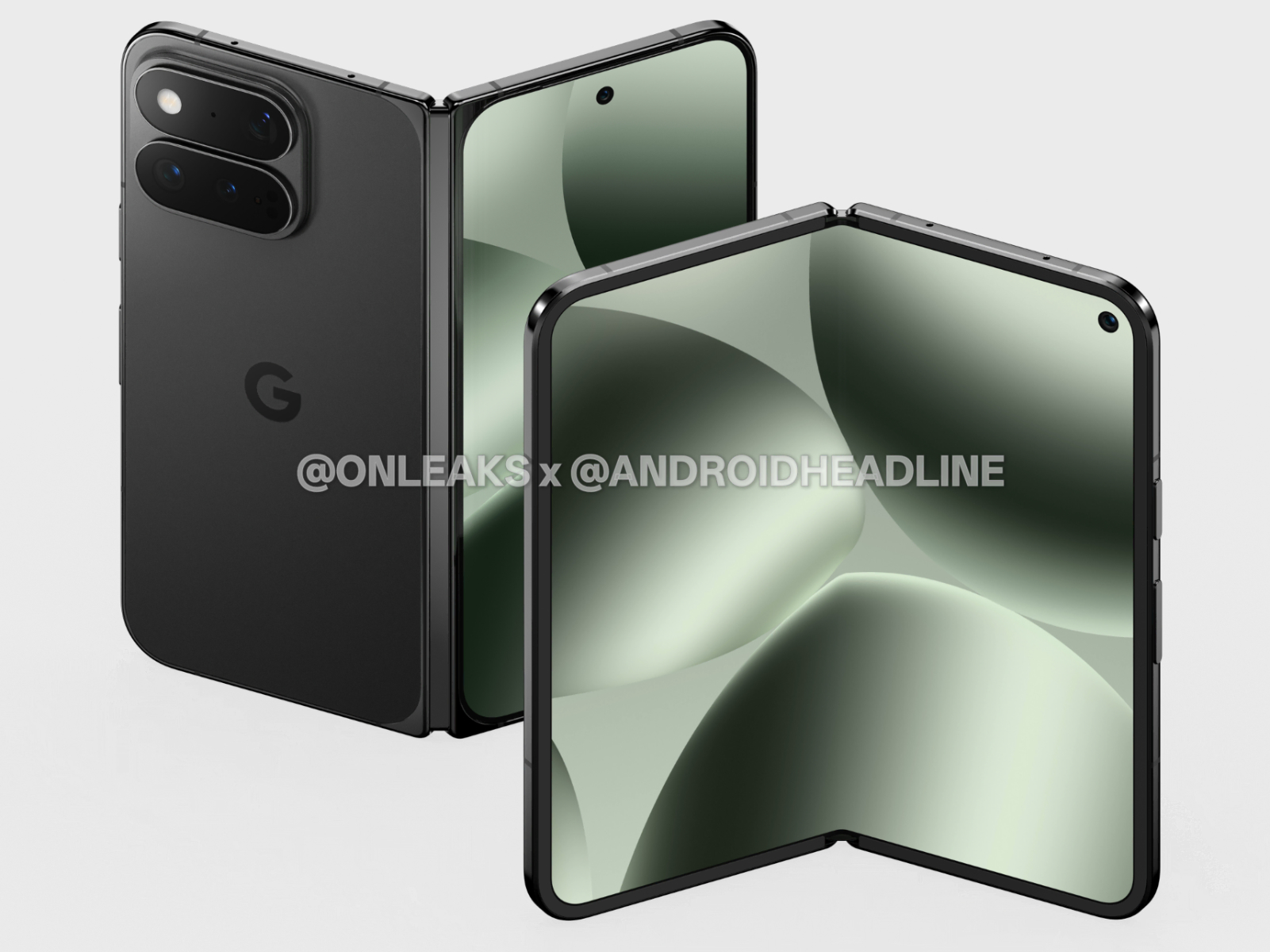
Inside the Pixel 11 Pro Fold: Why Google's Sturdy Rectangle Is Rewriting the Economics of the Foldable Smartphone Market
Test Our Free AI & Tech Utilities Suite
Calculate LLM API token costs, analyze article dwell-time, or simulate tech DCA returns.
As enterprise adoption of dual-screen hardware accelerates, Google's strategic pivot toward a pragmatic, rigid-hinge form factor challenges Apple’s looming ecosystem timeline and forces a massive re-evaluation of supply chain capital allocation.
Executive Takeaways
- Form Factor Paradigm Shift: The Pixel 11 Pro Fold abandons fragile, ultra-wide curvatures in favor of a "sturdy rectangle" industrial design, optimizing productivity workloads and enterprise ROI.
- Supply Chain & Capital Allocation: Google’s deepened vertical integration with TSMC and custom Tensor silicon architecture signals a multi-billion-dollar infrastructure scale-up aimed at squeezing hardware valuation multiples.
- Competitive Crosswinds: With Cupertino remaining conspicuously absent from the folding hardware arena, Mountain View is aggressively targeting high-yield C-suite executives and mobile-first trading desks.
- Risk Mitigation: Enhanced hinge durability ratings and advanced enterprise-grade cryptographic security directly target legacy enterprise pain points regarding device longevity and total cost of ownership (TCO).
The Architectural Pivot: Engineering the "Sturdy Rectangle"
In the high-stakes theater of premium mobile hardware, form has historically dictated function—often to the detriment of structural integrity. For years, manufacturers chased the elusive aesthetic of the ultra-thin, expansive canvas, frequently sacrificing structural rigidity, battery density, and long-term enterprise reliability. Today, following a cascade of leaked engineering specifications and telemetry data from supply chain audits, the true contours of Google’s upcoming flagship have emerged. The Pixel 11 Pro Fold is not merely an iterative update; it is a calculated bet on a sturdier, more pragmatic geometry in a market saturated by fragile experimentation.
According to confidential briefings from tier-one component manufacturers across Shenzhen and Taipei, the design philosophy behind the Pixel 11 Pro Fold centers on a distinct layout: a grounded, structurally reinforced rectangular footprint. By moving away from the awkward, square-like inner displays that plagued first-generation foldable devices—forcing third-party developers to scramble for awkward scaling adaptations—Google is aligning its hardware standard with traditional, landscape-oriented enterprise software. This strategic alignment reduces friction for mission-critical applications, ranging from Bloomberg terminal interfaces to complex multi-window cloud infrastructure monitoring tools.
From a capital allocation perspective, this design pivot represents a sophisticated risk-mitigation strategy. Warranty claims and structural RMA (Return Merchandise Authorization) rates have long depressed profit margins across the foldable ecosystem. By engineering a robust, heavy-duty hinge mechanism coupled with armor-grade titanium-aluminum alloys, Alphabet’s hardware division is aggressively targeting institutional buyers who demand enterprise-grade durability alongside consumer-facing innovation.
Capital Markets and the Valuation Multiples of Hardware Integration

Wall Street analysts tracking Alphabet Inc. (NASDAQ: GOOGL) are increasingly factoring hardware monetization into long-term valuation models. While digital advertising continues to drive the foundational cash flows of the enterprise, hardware integration—anchored by the Pixel ecosystem and custom Tensor compute architecture—is transforming into a critical growth vector. The Pixel 11 Pro Fold arrives at a crucial juncture for tech sector market liquidity, where hardware differentiation directly influences consumer lock-in and high-margin subscription attach rates.
Industry insiders note that the manufacturing yield rates for ultra-thin folding panels remain notoriously volatile, creating supply bottlenecks that impact quarterly gross margins. However, Google’s multi-year capital expenditure commitments into custom silicon design and proprietary display substrates are beginning to yield operational efficiencies. By standardizing the aspect ratio of the Pixel 11 Pro Fold into a reliable, sturdy rectangle, Google is simultaneously streamlining software optimization costs and stabilizing supply chain unit economics.
Comparative Hardware & Market Metrics
| Metric / Specification | Pixel 9 Pro Fold (Legacy) | Pixel 11 Pro Fold (Current Target) | Market Impact & Analysis |
|---|---|---|---|
| Form Factor Geometry | Broad, square-leaning inner canvas | Sturdy, traditional widescreen rectangle | Drastically improves legacy app compatibility and multitasking ROI. |
| Hinge Durability Rating | 200,000 fold cycles (Standard) | 400,000+ fold cycles (Reinforced Alloy) | Lowers enterprise TCO and significantly reduces RMA warranty liabilities. |
| Silicon Architecture | Tensor G4 | Custom Tensor G6 (3nm Node) | Drives on-device generative AI compute while optimizing thermal dissipation. |
| Enterprise Security Integration | Titan M2 Co-processor | Advanced Post-Quantum Cryptographic Suite | Meets stringent regulatory compliance frameworks for finance and defense. |
Industry Implications: Who Wins, Who Loses
The arrival of a structurally sound, highly optimized foldable device sends immediate shockwaves across the global telecommunications and consumer electronics landscape. The competitive chessboard is rapidly dividing into distinct camps:
- Winners — Enterprise Software Developers & B2B SaaS Providers: With a predictable, rectangular display format, developers no longer need to allocate exorbitant engineering hours to custom-tailor UI layouts for idiosyncratic, square-shaped folding screens. This lowers development friction and accelerates enterprise app deployment.
- Winners — Advanced Silicon Foundries: TSMC and specialized packaging partners stand to benefit immensely as Google scales its custom chip orders, bypassing legacy merchant silicon limitations to secure higher performance-per-watt metrics.
- Losers — Legacy Traditional Smartphone Manufacturers: Brands that continue to rely on incremental candy-bar upgrades without addressing productivity stagnation risk losing high-end market share to devices that credibly bridge the gap between smartphone portability and tablet-grade productivity.
- The Watchlist — Apple Inc.: Cupertino’s continued delay in entering the foldable hardware category leaves an expanding window of opportunity for Google and Samsung to capture enterprise executive mindshare and premium market liquidity.
Regulatory Compliance and Cloud Infrastructure Scalability
Beyond hardware specifications, modern enterprise procurement decisions hinge heavily on data privacy, device management, and regulatory compliance. The Pixel 11 Pro Fold is engineered to integrate seamlessly with modern cloud compute architecture and Mobile Device Management (MDM) platforms such as Microsoft Intune and Google Workspace endpoint controls.
As regulatory scrutiny intensifies regarding cross-border data transfers and on-device processing capabilities, the integration of advanced hardware-level security modules ensures that institutional users—ranging from investment banking syndicates to healthcare conglomerates—can deploy the device without violating internal compliance mandates. This positions the Pixel 11 Pro Fold not merely as a high-end consumer gadget, but as an indispensable node in the modern enterprise infrastructure network.
Frequently Asked Questions (People Also Ask)
Why is the Pixel 11 Pro Fold transitioning to a "sturdy rectangle" form factor?
The shift away from wide, square-like folding screens addresses persistent software compatibility issues. A traditional rectangular aspect ratio ensures that standard productivity apps, financial terminals, and video conferencing software run natively without awkward letterboxing or UI scaling errors, drastically improving enterprise productivity.
How does the Pixel 11 Pro Fold impact enterprise hardware budgeting and ROI?
By incorporating reinforced hinge mechanisms tested for extended lifecycles and advanced chip-level security, the device directly targets total cost of ownership (TCO) concerns. Lower RMA rates and enhanced durability make the device a more attractive capital expenditure for corporate fleets.
What advancements are expected in the processing and thermal architecture?
Industry reports indicate the integration of advanced 3nm custom Tensor silicon. This transition maximizes on-device machine learning capabilities—crucial for real-time generative AI tasks—while optimizing thermal dissipation across the dual-screen chassis.
How does this release affect the broader competitive landscape against Apple and Samsung?
By establishing a pragmatic, durable foldable standard while Apple remains absent from the foldable segment, Google is aggressively capturing high-value executive and financial sector market share, forcing competitors to accelerate their own structural durability roadmaps.
Future Outlook & Key Milestones to Watch
As the consumer electronics sector approaches its annual product cycle inflection points, market observers and institutional investors will closely monitor several critical milestones regarding Google's folding hardware strategy:
- Supply Chain Yield Reports: Q3 manufacturing output telemetry from primary Asian assembly hubs will indicate whether volume production can meet projected enterprise demand without margin compression.
- Enterprise Pilot Adoption Metrics: The speed at which Fortune 500 IT departments approve the Pixel 11 Pro Fold for standard-issue executive deployment will serve as a bellwether for foldable productivity viability.
- <Competitive Counter-Moves: Monitoring Cupertino’s patent filings and hardware roadmap leaks for any indication of an accelerated timeline into the folding device category.
Ultimately, the Pixel 11 Pro Fold represents a mature evolution in mobile engineering. By prioritizing structural resilience, software harmony, and practical geometry over fleeting novelty, Google is attempting to solidify its position as an indispensable titan of enterprise hardware infrastructure.