Oil Markets Brace as Houthis Threaten Fresh Saudi Strikes Amid UN’s Dire Yemen Humanitarian Warning
RIYADH / GENEVA — A fragile calm in the Middle East is once again on the brink of collapse. Yemen’s Houthi rebels have issued explicit, high-stakes threats targeting Saudi Arabia’s critical energy infrastructure, threatening to resume direct cross-border military strikes. This escalatory rhetoric comes at a moments of acute vulnerability for both global energy markets and the civilian population of Yemen, where the United Nations has issued an urgent warning regarding a rapidly deteriorating humanitarian catastrophe.
The convergence of renewed regional geopolitical friction and severe humanitarian distress has sent shockwaves through diplomatic channels in Riyadh, Washington, and Brussels. With global crude supplies already operating on razor-thin margins, energy analysts are nervously assessing the potential fallout on the world's remaining oil-market buffer, while international aid agencies warn that any return to active hostilities could push millions of Yemenis over the edge of famine.
The Double-Edged Crisis: Energy Security vs. Human Survival
The latest warnings from the Houthi military command indicate that Saudi Arabia’s economic hubs, international airports, and state-of-the-art energy installations—most notably Saudi Aramco’s production facilities—could once again become active targets. The rebels claim that Riyadh’s continued financial blockades and perceived reluctance to finalize a permanent peace agreement have left them with no alternative but to leverage military pressure.
Simultaneously, the United Nations Office for the Coordination of Humanitarian Affairs (OCHA) has released a chilling assessment of the situation on the ground in Sana'a and Aden. More than two-thirds of the Yemeni population—approximately 21.6 million people—are in desperate need of humanitarian assistance. Decades of conflict, currency devaluation, and collapsed public infrastructure have combined to create what the UN calls "one of the worst humanitarian emergencies of our time."
Executive Summary of the Escalating Conflict:
- Direct Targeting of Energy Infrastructures: Houthi leaders have explicitly threatened Saudi oil facilities, raising memories of the devastating 2019 Abqaiq-Khurais drone strikes that temporarily knocked out 5% of global oil supply.
- Thin Oil-Market Buffer: With OPEC+ maintaining tight production quotas and geopolitical risks elevated in Eastern Europe and the Middle East, global markets have limited spare capacity to absorb a major disruption in Arabian Gulf output.
- UN Humanitarian Alarm: Famine risks are escalating rapidly. Essential supply chains are choked, clean water access is scarce, and international funding for critical aid programs in Yemen has fallen to historically low levels.
- Stalled Peace Negotiations: Despite backchannel talks mediated by Oman, formal peace agreements between Riyadh and the Houthi leadership remain deadlocked over revenue-sharing agreements from Yemen’s domestic oil and gas exports.
Global Oil Markets and the Question of "Spare Capacity"
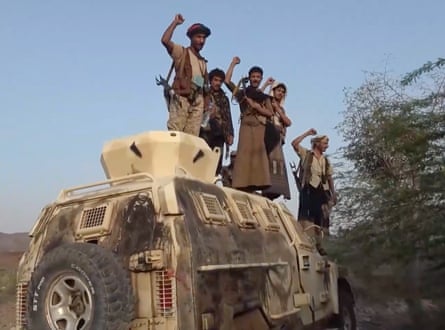
For commodity traders and macroeconomic policymakers, the immediate concern is the fragility of the global energy supply chain. The Bab-el-Mandeb Strait, a narrow maritime choke point off the coast of Yemen, remains highly vulnerable to asymmetrical drone and missile attacks. If shipping lanes are disrupted or Saudi facilities suffer physical damage, the consequences for global inflation could be profound.
Market analysts note that the current "oil-market buffer"—the volume of spare production capacity that can be brought online rapidly in the event of a supply disruption—is critically low. Saudi Arabia remains the primary custodian of this buffer, making any threat to its domestic infrastructure a direct threat to global macroeconomic stability.
| Metric / Indicator | Current Status / Estimate | Strategic / Global Impact |
|---|---|---|
| Yemen Population in Need | 21.6 Million (Approx. 70%) | High risk of widespread famine and systemic social collapse. |
| Global Oil Spare Capacity | Under 2.5 Million Barrels/Day | Extremely tight; highly sensitive to sudden supply shocks. |
| Key Maritime Choke Point | Bab-el-Mandeb Strait | Critical shipping route for crude moving from the Gulf to Europe. |
| Peace Process Status | Deadlocked (Mediated by Oman) | Increased risk of miscalculation and localized skirmishes. |
A Human Face of Silent Despair
Away from the trading floors of London and New York, the human cost of this geopolitical chess match is devastatingly immediate. In cities like Hodeidah and Sana'a, the realities of the blockade and stalled peace talks translate to empty markets, hyperinflated food prices, and dry water taps. In local clinics, mothers sit silently with severely malnourished children, their faces veiled in grief, embodying the quiet catastrophe that has gripped the country for nearly a decade.
Humanitarian organizations warn that international attention has drifted, distracted by newer geopolitical conflicts in Europe and the Levant. This drop in donor engagement has forced agencies like the World Food Programme (WFP) to slash monthly rations, leaving vulnerable families with almost no safety net. "We are facing a situation where we may have to choose which hungry children we feed and which we do not," a senior UN official noted under condition of anonymity.
The Geopolitical Outlook: What Lies Ahead?
The international community now faces a dual challenge. First, diplomatic pressure must be mobilized to prevent a resumption of cross-border hostilites that could instantly disrupt the global economic recovery. Second, global donors must urgently bridge the massive funding gap in Yemen’s aid program to prevent an avoidable loss of life on a massive scale.
The coming weeks will be critical. If Oman’s diplomatic channels fail to yield a breakthrough regarding civil service salary payments and port access in Yemen, the probability of a localized military strike remains dangerously high. For Riyadh, the equation is clear: protecting its domestic "Vision 2030" economic transformation projects requires regional stability, making a lasting peace deal with the Houthis a strategic priority—but not at any cost.
Frequently Asked Questions (FAQ)
Why are the Houthis threatening Saudi Arabia again now?
The Houthis are leveraging military threats to break the current diplomatic deadlock. They are demanding that the Saudi-led coalition lift all remaining restrictions on Yemeni ports and airports, and directly pay the salaries of public servants in Houthi-controlled territories using Yemen's national oil and gas revenues. When these negotiations stall, the group routinely threatens military escalation to force concessions.
How would a resumption of attacks affect the global economy?
Because the global oil market has a very limited supply buffer, any successful strike on Saudi oil fields, processing hubs, or shipping lanes in the Red Sea would likely cause an immediate spike in crude prices. This, in turn, would fuel global inflationary pressures, making it more difficult for central banks to manage interest rates and risking a broader slowdown in global economic growth.