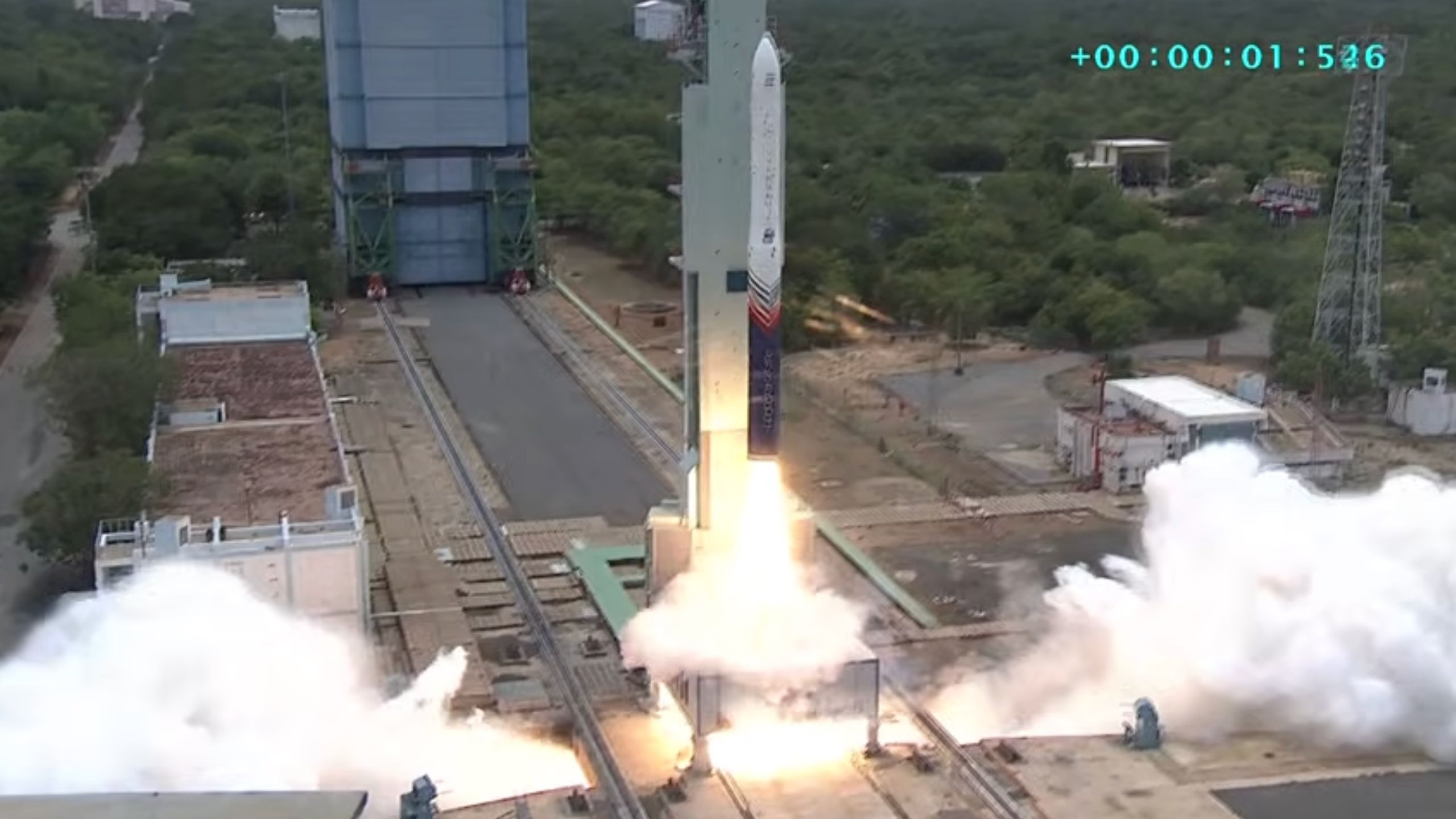
Silicon's Lost Decade: How India’s 1989 Semiconductor Bet Was Derailed—And Why 2026’s Semicon 2.0 Changes Everything
NEW DELHI & BANGALORE — Long before Taiwan Semiconductor Manufacturing Company (TSMC) revolutionized global electronics, and decades prior to the contemporary multi-billion-dollar subsidies reshaping the global tech supply chain, Indian engineers were manufacturing integrated circuits. In Mohali, near Chandigarh, a state-owned enterprise was quietly producing semiconductors in 1989—three years before Morris Chang founded TSMC.
Yet, that pioneering momentum evaporated in the crucible of bureaucratic inertia, foreign exchange crises, and a severe lack of long-term venture capital allocation. What followed was a 35-year semiconductor winter. Today, however, that narrative is experiencing a dramatic reversal. Propelled by aggressive government capital expenditure, multi-national fabrication joint ventures, and the launch of India's ambitious "Semicon 2.0" framework, the nation's chip dream is roaring back to life with live commercial shipments hitting domestic and international markets in 2026.
For institutional investors, enterprise tech buyers, and global supply chain architects, understanding this resurgence is critical for portfolio diversification, risk mitigation, and long-term capital allocation in an increasingly fragmented geopolitical landscape.
Executive Takeaways
- Historical Precedence: India possessed early operational fabrication capability at the Semiconductor Complex Limited (SCL) in Mohali as early as 1989, predating the rise of modern dedicated foundries.
- The 2026 Resurgence: Driven by the updated Semicon 2.0 framework and substantial public-private partnerships, live commercial semiconductor shipments are rolling out of newly minted fabrication plants (fabs) and packaging units.
- Enterprise ROI & Infrastructure: The pivot toward domestic silicon manufacturing radically alters enterprise supply chain resilience, reducing single-point-of-failure vulnerabilities across automotive, telecommunications, and consumer electronics sectors.
- Capital Allocation Shift: Global institutional investors are re-evaluating valuation multiples for Indian electronics manufacturing services (EMS) as government-backed incentives de-risk early-stage deep-tech infrastructure investments.
The Genesis and Fall: The 1989 SCL Fire and Bureaucratic Paralysis
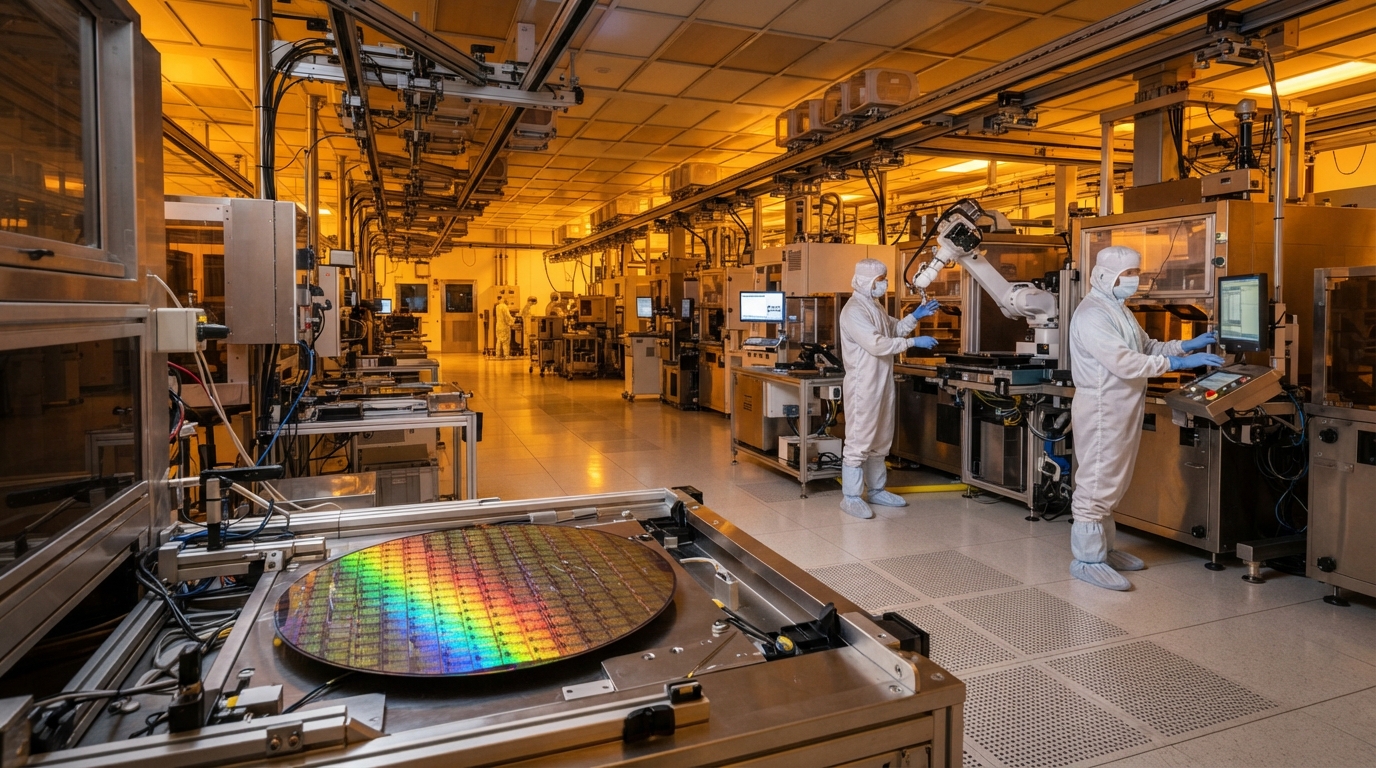
To comprehend the magnitude of India's 2026 semiconductor renaissance, one must examine the fragility of its initial attempt. In the late 1980s, the Semiconductor Complex Limited (SCL), established under the Department of Electronics, was tasked with designing and fabricating Large Scale Integration (LSI) and Very Large Scale Integration (VLSI) circuits. SCL was not merely a research project; it was a functioning commercial enterprise producing chips for telecommunications and defense applications.
However, in February 1989, a catastrophic fire swept through the SCL fabrication facility in Mohali, completely gutting the cleanrooms and destroying proprietary production lines. Compounding this physical disaster was a brutal macroeconomic reality: India was plunging into a severe balance-of-payments crisis that culminated in the 1991 economic liberalisation. Deprived of the immense capital expenditure required to rebuild sub-micron fabrication facilities, and outpaced by rapid technological shifts toward CMOS (Complementary Metal-Oxide-Semiconductor) scaling, the state-backed initiative stalled.
For decades, India settled into a comfortable role as the software back-office of the global semiconductor industry. While Indian design engineers working for multinational corporations like Qualcomm, Intel, and AMD authored vast swaths of the world's intellectual property (IP), the physical manufacturing remained offshore—predominantly concentrated in Taiwan, South Korea, and China. This structural imbalance left the domestic market acutely vulnerable to global supply chain shocks, a vulnerability painfully exposed during the post-pandemic chip shortages of 2021–2023.
Semicon 2.0 and the 2026 Production Reality
Fast forward to 2026, and the landscape is fundamentally transformed. Recognizing that software prowess without hardware sovereignty is a strategic liability, the Indian government recalibrated its industrial policy. Building upon the foundational lessons of the initial $10 billion Semicon India program, policymakers introduced Semicon 2.0—a refined, aggressive framework designed to capture higher-value segments of the semiconductor value chain, including compound semiconductors, advanced packaging (OSAT), and mature-node silicon fabrication.
Unlike the aborted attempts of the past, the current wave is underpinned by serious private-sector skin in the game. Multilateral joint ventures between global semiconductor heavyweights and Indian conglomerates have translated into operational brick-and-mortar facilities. By mid-2026, live commercial shipments of locally packaged and fabricated chips are no longer a theoretical projection; they are verifiable balance-sheet items driving revenue for domestic enterprises.
This manufacturing revival drastically alters the cloud compute architecture and hardware supply chains for emerging technologies. Automotive manufacturers navigating stringent regulatory compliance for electric vehicles (EVs) can now source power management integrated circuits (PMICs) and microcontrollers (MCUs) locally, slashing lead times and optimizing working capital efficiency.
Verified Data: Then vs. Now in India’s Semiconductor Evolution
| Metric / Parameter | The 1989 Baseline (SCL Mohali) | The 2026 Resurgence (Semicon 2.0) |
|---|---|---|
| Primary Focus | Basic LSI/VLSI circuits for state telecom & defense | Advanced nodes, OSAT, Compound Semiconductors, PMICs |
| Capital Allocation Strategy | 100% State-funded, vulnerable to fiscal deficits | Public-private partnerships, multi-billion-dollar joint ventures |
| Global Supply Integration | Isolated domestic market with limited export capability | Deep integration into global supply chains (US, EU, Japan trade pacts) |
| Commercial Output | Low-volume, interrupted by 1989 facility fire | High-volume live shipments to automotive & consumer sectors |
| Design Ecosystem | Nascent domestic talent pool | Over 20% of global semiconductor design talent based in India |
Industry & Market Implications: Winners and Losers
The maturation of India's semiconductor ecosystem sends powerful ripple effects across global financial markets, creating distinct structural winners and losers:
The Winners
- Domestic EMS & Electronics Manufacturers: Companies specializing in contract manufacturing and Printed Circuit Board Assembly (PCBA) benefit from localized component sourcing, lowering inventory holding costs and improving enterprise ROI.
- Global Equipment & Material Suppliers: Applied Materials, Lam Research, and chemical conglomerates supplying photoresists, silicon wafers, and etching gases find a booming new growth market as cleanrooms scale across Gujarat, Karnataka, and Tamil Nadu.
- Enterprise Buyers & Automakers: Original Equipment Manufacturers (OEMs) gain crucial supply chain risk mitigation, shielding themselves from geopolitical bottlenecks in East Asia.
The Losers
- Legacy Importers of Mature-Node Chips: Middlemen and traders who previously profited from importing standard, mature-node microcontrollers face margin compression as direct domestic manufacturing scales.
- Single-Region Dependent Competitors: Facilities in traditional manufacturing hubs that failed to diversify geographically are beginning to lose greenfield investment inflows to India's highly subsidized ecosystem.
Frequently Asked Questions (People Also Ask)
1. Why did India's initial semiconductor effort in 1989 fail to scale globally?
The initial effort, anchored by Semiconductor Complex Limited (SCL), was severely handicapped by a devastating fire in 1989 that destroyed its core fabrication facility. This coincided with India's severe 1991 balance-of-payments crisis, which choked off the massive, sustained capital expenditure required to keep pace with rapid global advancements in semiconductor lithography.
2. What is Semicon 2.0, and how does it differ from previous government incentives?
Semicon 2.0 represents an upgraded, highly targeted industrial policy framework. While the initial push focused broadly on attracting any form of manufacturing, Semicon 2.0 optimizes capital allocation toward high-growth niches—such as Outsourced Semiconductor Assembly and Test (OSAT) units, compound semiconductors, display fabs, and mature-node logic—backed by streamlined regulatory compliance and robust public-private financial structuring.
3. Are chips currently being manufactured and shipped out of India in 2026?
Yes. Unlike previous decades where India's semiconductor footprint was restricted to design and testing simulation, 2026 marks the operational milestone where live commercial shipments of packaged semiconductors and locally fabricated mature-node chips are actively leaving domestic facilities for automotive and consumer electronics markets.
4. How does domestic chip manufacturing impact global enterprise risk mitigation?
By establishing geographically diversified manufacturing nodes in a democratic, stable market, global enterprises reduce their reliance on single-region production centers. This geographic decentralization serves as a vital hedge against geopolitical friction, logistics bottlenecks, and regional natural disasters.
Future Outlook: Milestones to Watch Through 2030
As India moves deeper into the latter half of the decade, the trajectory of its semiconductor sector will depend on execution discipline rather than policy announcements. Key milestones for institutional tracking include:
- Yield Optimization and Scaling: Transitioning pilot-line production to mass commercial yields with defect rates competitive with established East Asian foundries.
- Ecosystem Localization: The development of a domestic specialty chemicals and high-purity gases supply chain to reduce dependence on raw material imports.
- M&A and Valuation Activity: Expect increased private equity and venture capital activity targeting Indian deep-tech startups specializing in analog design, RISC-V architecture, and photonics.
Thirty-seven years after the smoke cleared from the ruins of SCL Mohali, India's chip dream has returned—not as a nostalgic historical footnote, but as an indispensable pillar of modern global enterprise architecture.