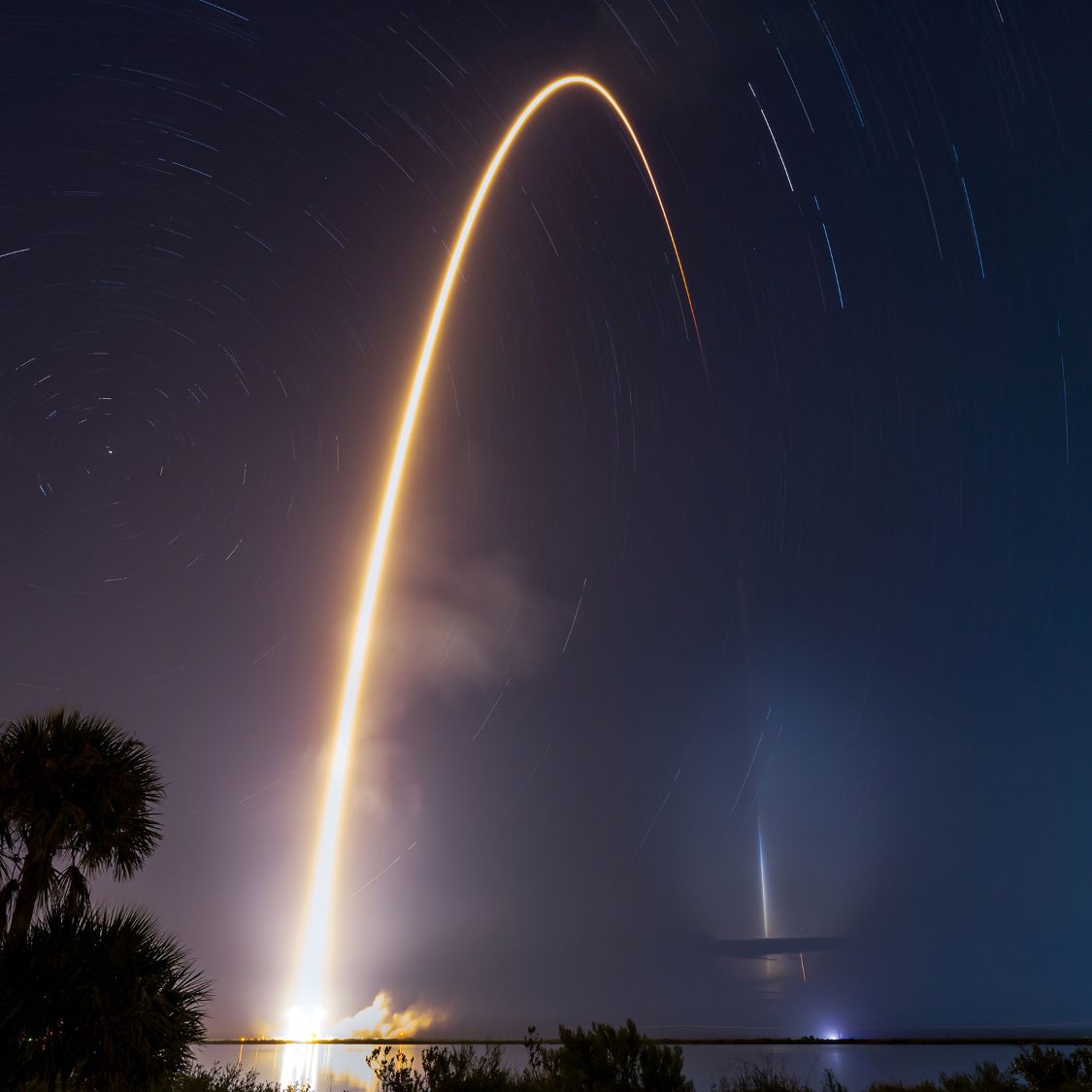
SpaceX Falcon 9 Shatters Reusability Limits With Record-Tying 22nd Launch for Arctic Broadband
WASHINGTON — In another defining milestone for commercial aerospace, a SpaceX Falcon 9 rocket roared off the launchpad early Tuesday, successfully completing its 22nd orbital flight and landing. This historic mission ties the company’s all-time reusability record, cementing Elon Musk’s aerospace firm as an unrivaled titan in high-frequency, low-cost space logistics. Carrying a critical payload of advanced Arctic broadband satellites, the flight underscores how commercial rocketry is rapidly reshaping both global telecommunications and the economics of low-Earth orbit (LEO).
The mission, tracked intensely by industry analysts and defense strategists alike, lifts off at a time when global connectivity in the Earth's most remote high-latitude regions has moved from a luxury to an urgent geopolitical and commercial necessity. For Wall Street and international markets, the flight serves as a masterclass in asset amortization, proving that space hardware can be recycled with airline-like cadence.
Mission Breakdown: Pushing Hardware to the Edge
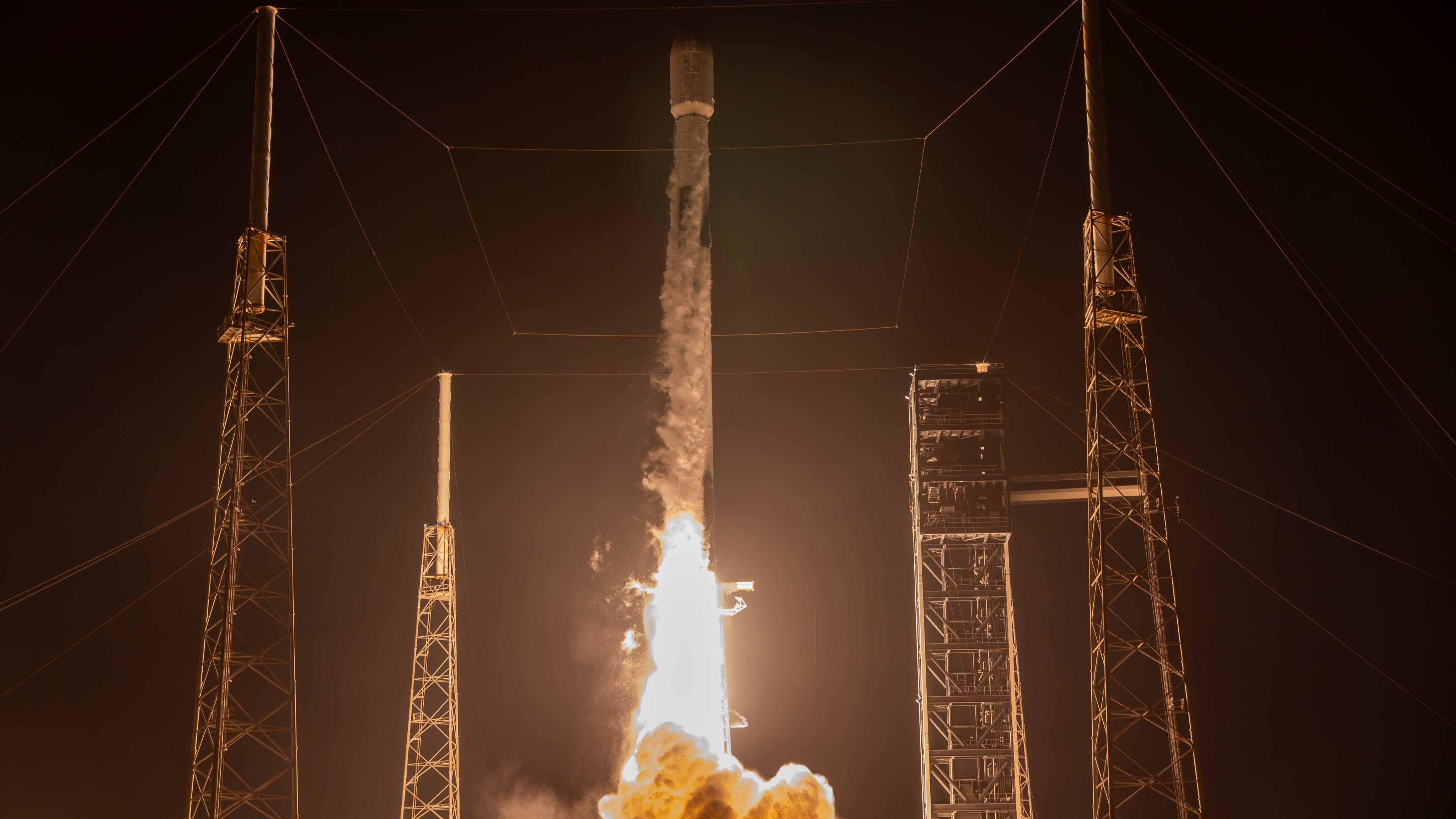
The Falcon 9 first-stage booster—designated B10xx in SpaceX’s elite fleet—ignited its nine Merlin engines, piercing the morning sky and carrying a constellation of high-throughput communication payloads designed to close the digital divide in the extreme north. Approximately 8.5 minutes after liftoff, the booster executed a flawless, precision landing on SpaceX’s ocean-going droneship, "Of Course I Still Love You," stationed in the Atlantic Ocean.
This triumphant recovery marks the 22nd time this specific booster has flown from pad to space and back again, tying a benchmark previously thought nearly impossible when Falcon 9 reusability efforts began in earnest nearly a decade ago. Each successful flight past the 20-mission threshold provides SpaceX engineers with invaluable metallurgical, thermal, and structural data, pushing the boundaries of material science and aerodynamic engineering.
- Milestone Achieved: Record-tying 22nd flight for a single Falcon 9 first-stage booster.
- Primary Payload: Advanced Arctic broadband satellites aimed at expanding high-speed internet to extreme northern latitudes.
- Recovery Status: Successful vertical landing on SpaceX droneship at sea, ensuring potential for a 23rd flight.
- Strategic Impact: Accelerates high-latitude connectivity for maritime, aviation, and defense sectors operating above the Arctic Circle.
Unlocking the Arctic: Why High-Latitude Broadband Matters
While equatorial and mid-latitude populations enjoy ubiquitous 5G and fiber-optic networks, the Arctic has historically been a digital wasteland. Traditional geostationary (GEO) satellites struggle to provide adequate bandwidth to high-latitude regions due to extreme look angles, leaving commercial shipping routes, scientific outposts, and military installations isolated.
The satellites deployed on Tuesday's flight belong to an ongoing initiative to blanket the polar regions with high-speed, low-latency broadband. As climate change opens up the Arctic Ocean to increased commercial shipping, resource extraction, and geopolitical maneuvering, secure and rapid communication infrastructure has transformed into a multi-billion-dollar enterprise.
Global logistics firms, cruise operators, and northern governments are pouring capital into polar connectivity. By leveraging Falcon 9's unmatched cadence and reliability, satellite operators can deploy massive constellations at a fraction of legacy costs, unlocking immediate monetization and transforming remote Arctic operations.
The Economics of 22 Flights: A Masterclass in Margin Expansion
From an economic perspective, the 22nd flight of a single rocket booster represents a seismic shift in aerospace valuation. In traditional rocket manufacturing, the airframe is treated as a single-use consumable—akin to discarding a commercial airliner after a single cross-country flight. SpaceX’s relentless pursuit of rapid reusability amortizes the multibillion-dollar research and development costs across dozens of revenue-generating missions.
Industry analysts estimate that flying a pre-flown booster reduces marginal manufacturing costs by upwards of 80%, allowing SpaceX to undercut global competitors while expanding its own profit margins. This financial flywheel fuels the company's aggressive development of Starship, its next-generation fully reusable mega-rocket designed for interplanetary colonization.
| Metric | Legacy Industry Standard | SpaceX Falcon 9 Benchmark |
|---|---|---|
| First-Stage Reusability | 0% (Expendable) | Up to 22 Flights (Record-Tying) |
| Turnaround Time | N/A (Single Use) | As low as 21 days between flights |
| Payload Cost per Kg | $10,000 – $20,000+ | Significantly disrupted (~$1,500 to LEO) |
| Booster Recovery Rate | Negligible | >90% across total operational history |
Looking Ahead: The Road to 25 and Beyond
As SpaceX prepares to inspect the veteran booster upon its return to port, engineering teams will scrutinize the thermal protection systems, engine bells, and grid fins to determine if the hardware is certified for a historic 23rd flight. Each incremental mission past 20 acts as a stress test, providing critical telemetry that informs not only Falcon operations but also future heavy-lift architectures.
Competitors in the U.S., Europe, and Asia are racing to replicate SpaceX’s vertical landing and rapid refurbishment playbook, but the gap in operational flight heritage remains wide. Tuesday's successful launch is more than just another entry in a launch manifest; it is a vivid demonstration of economic dominance in the new space economy—one where frequency, reliability, and cost-efficiency dictate the ultimate winners.
Frequently Asked Questions
What made this specific Falcon 9 launch a record-setter?
This mission marked the 22nd time a single Falcon 9 first-stage booster successfully launched and landed, tying SpaceX's all-time corporate record for rocket reusability and proving the durability of modern orbital hardware.
What was the primary objective of the payload?
The rocket carried advanced broadband satellites designed to provide high-speed, low-latency internet connectivity to the Arctic Circle, significantly improving communications for maritime, aviation, and remote northern communities.