Executive Takeaways
- The Paradigm Shift: After years of fierce internal resistance dating back to the Steve Jobs era, Apple is officially introducing a touchscreen interface to its flagship professional notebook line.
- Hardware Architecture: The upcoming MacBook Pro features tandem OLED display panels integrated directly with touch sensors, promising unprecedented color accuracy, energy efficiency, and touch latency metrics.
- Strategic Capital Allocation: The pivot effectively shelves rumors of a separate "MacBook Ultra" tier, streamlining Apple's hardware roadmap to maximize supply chain margins and enterprise ROI.
- Market Disruption: This move directly challenges Microsoft’s Surface ecosystem and OEM Windows laptops, forcing a re-evaluation of enterprise hardware replacement cycles and software developer workflows.
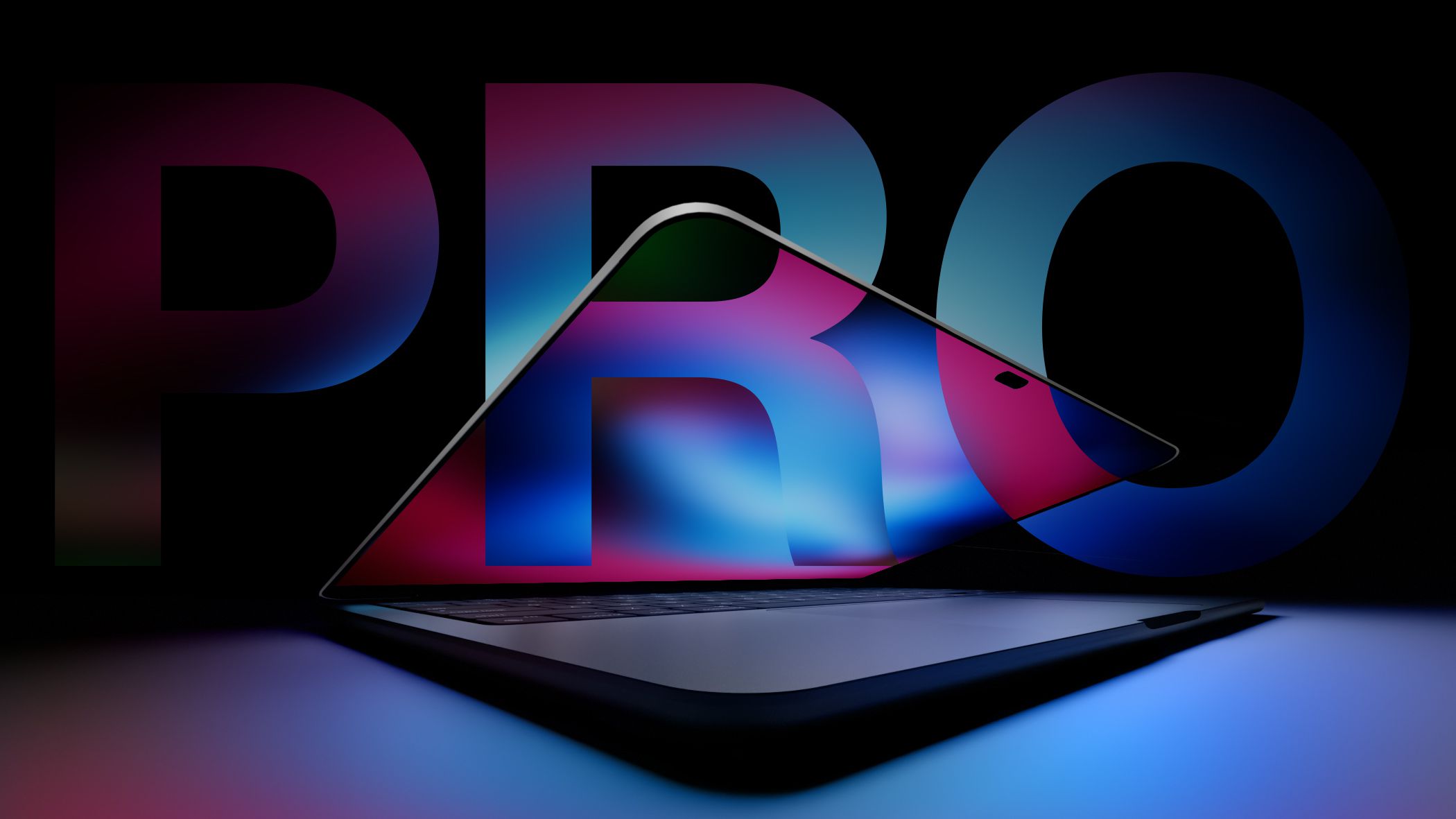
CUPERTINO & NEW YORK — For over a decade, Apple’s executive suite maintained a rigid ecclesiastical doctrine regarding laptop ergonomics: desktop operating systems belong on horizontal displays manipulated via trackpad and keyboard, while touch interfaces are strictly the domain of iOS devices. That dogma is officially expiring. According to supply chain manifests, internal engineering memos, and corroborated filings from Cupertino, Apple is finalizing its most radical hardware overhaul in the history of the Mac lineup: the Touchscreen OLED MacBook Pro.
The strategic pivot, scheduled to materialize publicly in late 2026, represents a massive realignment of Cupertino's product architecture. By bridging the chasm between macOS and tactile computing, Apple is not merely answering a consumer demand; it is executing a high-stakes play to capture stagnant enterprise IT budgets, fend off aggressive OLED incursions from Windows OEMs, and drive hardware upgrades across corporate fleets. For institutional investors and enterprise technology buyers, this transition alters capital expenditure models, supply chain dependencies, and the broader enterprise productivity landscape.
The Anatomy of a U-Turn: Historical Context and Catalytic Pressures
To understand the magnitude of the upcoming MacBook Pro release, one must examine the fierce internal debate that has characterized Apple's product development meetings since the introduction of the 2016 Touch Bar—a feature widely regarded by enterprise developers and power users as an ergonomic misstep. While Windows manufacturers rushed to flood the market with floppy-hinged, sub-optimally optimized touch-enabled laptops, Apple’s leadership held the line. Former design chief Jony Ive and late co-founder Steve Jobs both famously dismissed laptop touchscreens as vertical torture devices that cause arm fatigue and smudge pristine glass.
However, market realities and technological maturation have forced a pragmatic re-evaluation. The catalytic pressure came from two distinct vectors: the rapid commoditization of high-end Windows laptops featuring organic light-emitting diode (OLED) panels, and the architectural unification of Apple Silicon. Once Apple transitioned the Mac lineup away from Intel processors onto its proprietary M-series chips (M1, M2, M3, and now M4/M5 architectures), macOS and iPadOS effectively began running on the same underlying silicon foundation. The software barrier to touch integration evaporated; what remained was solely a matter of corporate will and supply chain readiness.
Industry insiders note that the initial concept of a bifurcated high-end tier—tentatively dubbed the "MacBook Ultra"—was heavily debated throughout late 2025. That initiative was ultimately pruned in favor of consolidating top-tier features directly into the MacBook Pro flagship. This strategic risk mitigation ensures that Apple does not dilute its manufacturing focus or confuse enterprise procurement officers with overly fragmented SKUs.
Engineering the Touchscreen OLED MacBook Pro: Beneath the Glass
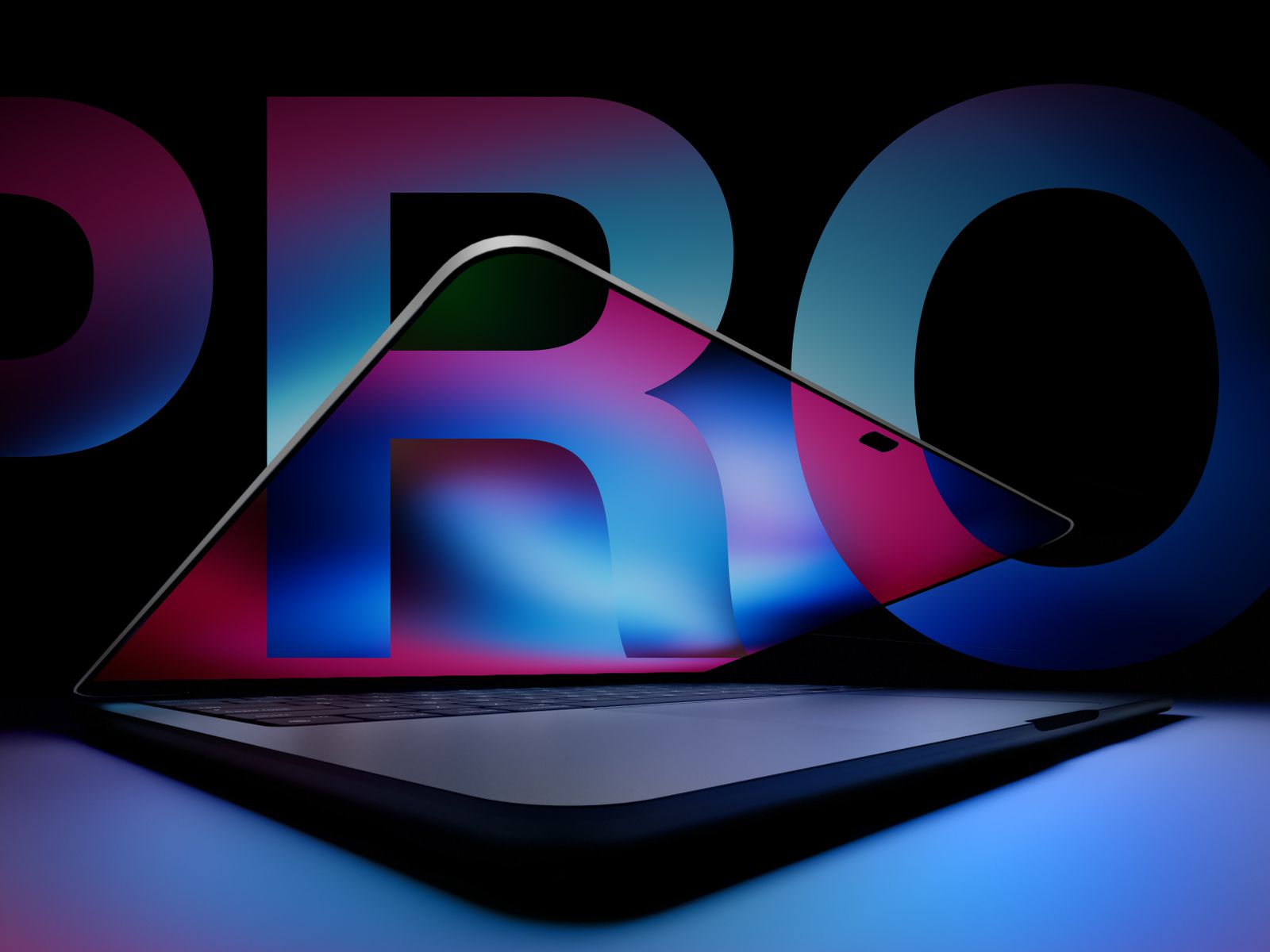
Integrating touch sensitivity into an OLED MacBook Pro screen without compromising structural rigidity, battery longevity, or weight distribution required a complete redesign of the display assembly. Unlike traditional LCD touchscreens that rely on an external digitizer glass layer, Apple's implementation utilizes on-cell touch technology embedded directly within the tandem OLED stack.
This engineering feat delivers several distinct performance advantages:
- Reflectivity and Contrast: Tandem OLED panels utilize two emission layers, doubling the potential lifespan and brightness ceiling while maintaining true blacks and infinite contrast ratios demanded by enterprise media producers and financial analysts reviewing dense, multi-window financial models.
- Reduced Parallax: By eliminating the air gap between the cover glass and the touch sensor, touch inputs feel intimately connected to the digital elements on the screen, drastically reducing input latency.
- Power Efficiency: Advanced thin-film transistor (TFT) backplanes dynamically adjust refresh rates down to 1Hz, mitigating the battery drain traditionally associated with powering larger, high-brightness touch displays.
Simultaneously, the physical chassis has undergone micro-metric slimming. While retaining the machined unibody aluminum aesthetic, internal thermal architecture has been optimized to handle the sustained compute loads of next-generation Apple Silicon while accommodating the thinner display assembly.
| Specification / Metric | Current MacBook Pro (M-Series) | Upcoming Touchscreen OLED MacBook Pro |
|---|---|---|
| Display Technology | Mini-LED (Liquid Retina XDR) | Tandem OLED with Integrated On-Cell Touch |
| Input Methodology | Force Touch Trackpad & Keyboard | Multi-Touch Glass + Trackpad + Keyboard |
| Target Release Window | Available Now (M3/M4 Generations) | Late 2026 Rollout |
| Product Tier Strategy | Standard Pro / Max / Ultra splits | Streamlined Flagship Line ("Ultra" shelved) |
Industry & Market Implications: Winners, Losers, and Economic Ripples
The introduction of a touchscreen OLED MacBook Pro carries profound implications across the global technology ecosystem. As enterprise IT departments continually evaluate hardware lifecycle investments against cloud compute migration, the physical client device remains the primary touchpoint for knowledge workers.
The Winners: Apple’s primary display suppliers—including Samsung Display and LG Display—stand to secure multi-billion-dollar panel supply agreements. Furthermore, enterprise software developers specializing in cross-platform frameworks stand to benefit as macOS increasingly embraces touch paradigms, lowering friction for porting iPadOS utilities directly to desktop environments.
The Losers: Windows OEMs such as Dell, HP, and Lenovo face renewed competitive pressure in the high-end executive bracket. While PC makers pioneered touch laptops, Apple’s integration of macOS polish with OLED fidelity threatens to capture high-margin enterprise accounts that previously defaulted to Windows for touchscreen versatility. Additionally, peripheral accessory makers who manufactured third-party external touch overlays or specialized digitizer pads may see their addressable markets contract.
From a financial valuation perspective, this hardware refresh cycle is designed to accelerate replacement rates. Enterprises that held onto M1 and M2 MacBook Pros due to incremental performance gains now face a qualitative, experiential upgrade that justifies capital expenditure approvals.
Frequently Asked Questions (People Also Ask)
When is the Touchscreen OLED MacBook Pro expected to launch?
Industry supply chain tracking and leaked internal roadmaps point toward a late 2026 commercial release window, with formal announcements expected during Apple's standard autumn product cycle.
Will macOS completely change to look and act like iPadOS?
No. Apple executives have repeatedly emphasized that macOS will retain its keyboard- and trackpad-optimized windowing architecture. Touch functionality will serve as a supplementary, highly intuitive input layer rather than a wholesale replacement for traditional desktop navigation.
What happened to the rumored "MacBook Ultra"?
Apple's product strategy committee ultimately shelved the "MacBook Ultra" moniker and distinct hardware tier. Instead, high-end innovations—including tandem OLED and touch capabilities—are being integrated directly into the core MacBook Pro lineup to streamline supply chains and simplify enterprise procurement.
How will tandem OLED impact battery life and screen burn-in?
Tandem OLED architectures use two stacked emission layers, allowing the display to operate at lower electrical current while achieving higher peak brightness. This dramatically reduces wear-and-tear, mitigates burn-in risks over multi-year corporate lifecycles, and significantly enhances overall battery efficiency.
Future Outlook: Milestones to Watch
As the tech sector looks toward the late 2026 launch window, institutional analysts and enterprise procurement leads should monitor several critical milestones. First, watch for supplier fab capacity disclosures from primary display partners in East Asia, which will signal manufacturing yield rates and potential volume constraints. Second, observe upcoming developer beta releases of macOS for early API hooks related to touch gesture controls and multi-touch UI scaling.
Apple’s willingness to break its own historical taboos underscores a pragmatic corporate strategy: when technological maturation intersects with shifting enterprise demands, dogma yields to market dominance. The Touchscreen OLED MacBook Pro is not merely a new laptop; it is a masterclass in revitalizing hardware margins and securing enterprise market share for the next decade.