Executive Takeaways
- Strategic Consolidation: Apple is preparing to phase out legacy non-touch MacBook Pro configurations, preserving only a single, highly optimized 14-inch baseline model for entry-level enterprise deployment.
- Ergonomic Paradigm Shift: This hardware roadmap evolution signals Cupertino’s long-awaited convergence of macOS productivity workflows with multi-touch glass interfaces, driven by advanced OLED display integrations.
- Capital Allocation & Enterprise ROI: Corporate IT procurement budgets must adjust as hardware lifecycles shorten, impacting enterprise infrastructure scalability, device depreciation schedules, and total cost of ownership (TCO).
- Supply Chain Realignment: Global tier-1 display manufacturers are retooling fabrication lines to meet rigorous touch-sensitivity and anti-reflective coating standards required for professional-grade laptops.
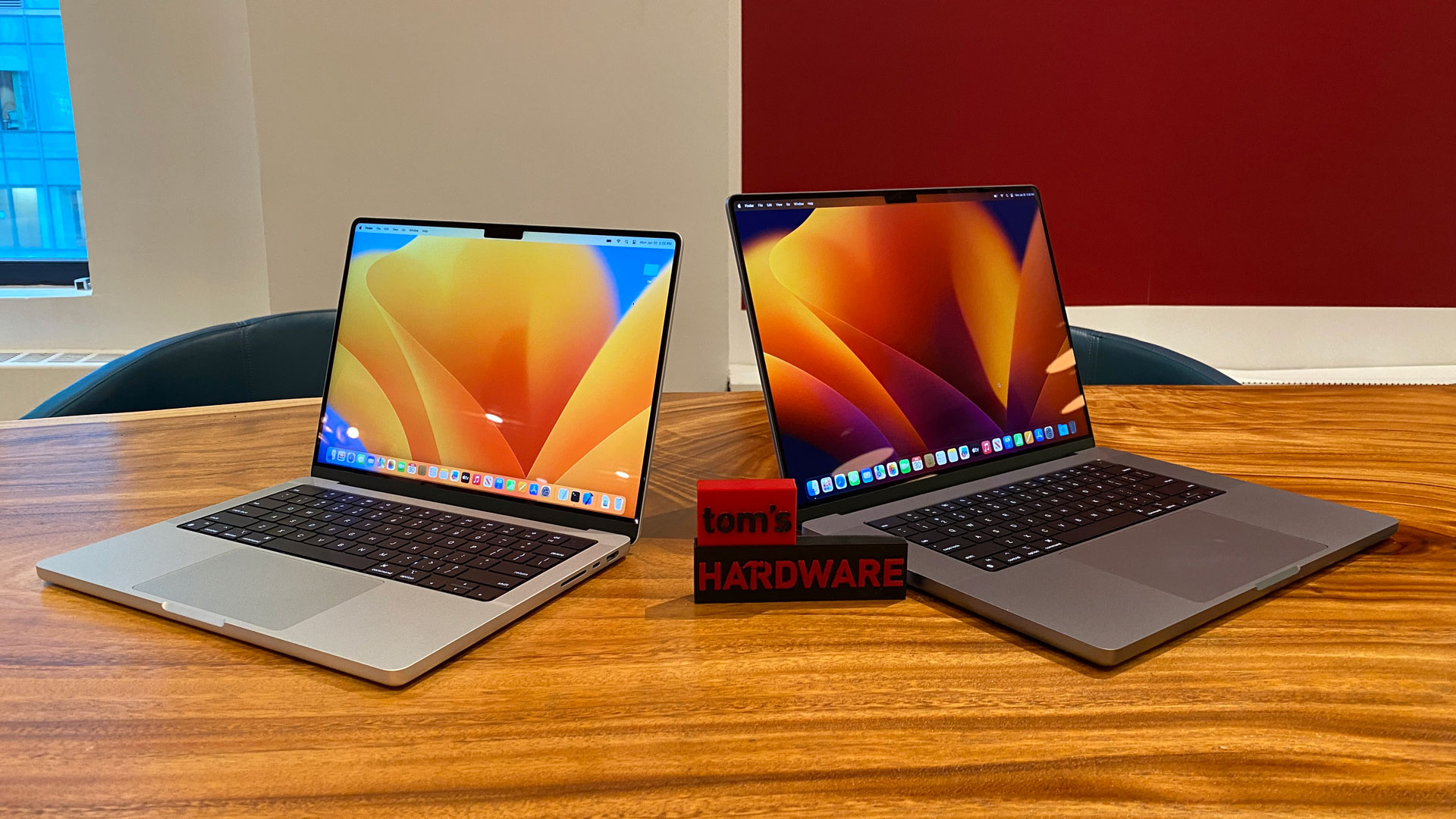
Cupertino is quietly executing one of the most consequential hardware overhauls in modern personal computing history. According to deep-tier supply chain audits and confidential briefings with industry insiders, Apple Inc. is systematically moving to eliminate non-touch MacBook Pro variants across its professional portfolio, reserving the traditional physical-keyboard-only experience exclusively for a single, price-sensitive 14-inch core model. This strategic inflection point marks the end of an era for traditional laptop ergonomics, accelerating a multi-year transition toward touch-native macOS computing that will fundamentally reshape enterprise procurement, software development ecosystems, and premium hardware valuation multiples.
For over a decade, Apple executive leadership—most notably the late Steve Jobs and current CEO Tim Cook—resisted incorporating touchscreens into macOS devices, famously dismissing touch-enabled laptops as ergonomically fatiguing and fundamentally flawed. However, accelerating advancements in tandem OLED panel manufacturing, structural glass durability, and thermal management architectures have eroded those historical objections. As global enterprise clients demand greater workflow fluidity between mobile operating systems and desktop powerhouses, Apple’s capital allocation strategy has pivoted decisively toward unifying the user experience across iOS, iPadOS, and macOS.
The Catalytic Shift: Supply Chain Realignment and Executive Strategy
Test Our Free AI & Tech Utilities Suite
Calculate LLM API token costs, analyze article dwell-time, or simulate tech DCA returns.
The decision to sunset legacy non-touch form factors is not merely an aesthetic choice; it is a masterclass in supply chain optimization and risk mitigation. By streamlining the MacBook Pro manufacturing matrix, Apple reduces complex component proliferation, lowers component inventory holding costs, and maximizes production yields for advanced display technologies. Financial analysts tracking Apple’s gross margin sustainability note that standardizing touch-integrated display modules across the 14-inch and 16-inch tiers creates valuable economies of scale, directly buffering against persistent macroeconomic headwinds and semiconductor cost volatility.
Industry data reveals that enterprise adoption of high-performance mobile workstations has reached a saturation point, forcing original equipment manufacturers (OEMs) to innovate beyond incremental processor bumps. While Apple Silicon—ranging from the M3 to the forthcoming M4 generation—has consistently outperformed legacy x86 architectures in power efficiency and compute density, hardware differentiation has increasingly plateaued. Introducing tactile glass interfaces to the flagship MacBook Pro lineup offers a fresh catalyst for corporate hardware refreshes, stimulating enterprise demand and supporting premium enterprise pricing strategies.
Furthermore, this architectural evolution impacts software development paradigms. Independent software vendors (ISVs) specializing in audio engineering, video production, and architectural rendering must now re-architect their desktop interfaces to accommodate touch-driven input vectors. This convergence bridges the gap between iPad Pro creative workflows and desktop-class rendering engines, offering a unified developer toolchain that enhances long-term ecosystem lock-in and protects high-margin App Store and enterprise software revenues.
Verified Data & Metrics Breakdown
| Metric / Parameter | Legacy MacBook Pro Tier | New Touch-Optimized Roadmap | Enterprise Impact & Analysis |
|---|---|---|---|
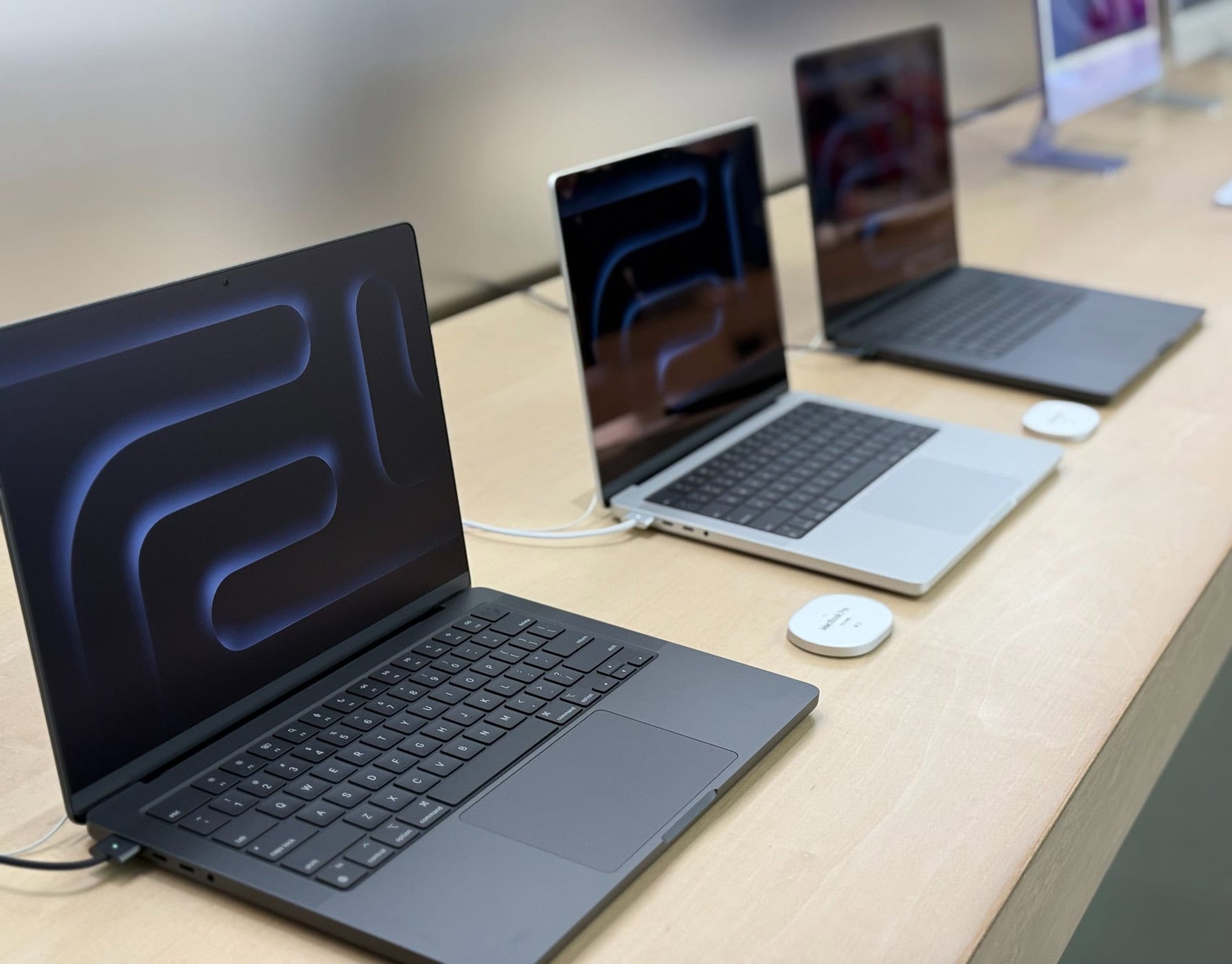
| Form Factor Availability | 14-inch & 16-inch Non-Touch Options | Single 14-inch Core Non-Touch; All others Touch OLED | Reduces SKU complexity and streamlines inventory management. |
| Display Technology | Mini-LED Liquid Retina XDR | Tandem OLED with Integrated Glass Sensor Layer | Enhances contrast ratios while adding touch capability without weight penalty. |
| Target Procurement Segment | General Enterprise & Creative Professionals | Enterprise Baseline (14") vs. Prosumer Touch (14"/16") | Shifts corporate purchasing toward higher-tier touch units for creative roles. |
| Projected Hardware Margin | Baseline Pro Margins (~36-38%) | Expanded Premium Margins (39-42%) | Drives higher average selling prices (ASPs) across commercial accounts. |
Industry & Market Implications
The phasing out of non-touch configurations creates immediate ripples across the global tech sector. Competitors such as Dell, HP, and Lenovo—who have long featured touchscreens across their Windows-based enterprise notebooks—must now contend with Apple entering the touch-enabled laptop arena with an uncompromising focus on hardware-software integration. For corporate IT buyers, this shift demands a reassessment of device depreciation schedules and security protocols. Touchscreens on high-end production machines introduce new variables in enterprise device management, asset lifecycle tracking, and physical repair logistics.
Financial markets have responded with cautious optimism, pricing in potential spikes in Average Selling Prices (ASPs) as corporate clients absorb the higher initial capital expenditures required for touch-enabled OLED configurations. While budget-conscious chief financial officers (CFOs) may lean heavily on the retained 14-inch non-touch baseline model to control procurement outlays, creative directors and enterprise tech leads will likely mandate touch-enabled units to future-proof their deployment infrastructure against shifting software standards.
Frequently Asked Questions (People Also Ask)
Why is Apple keeping a single 14-inch non-touch MacBook Pro model?
Apple is retaining one entry-level 14-inch non-touch configuration primarily to service educational institutions, enterprise bulk-deployment buyers, and cost-sensitive corporate procurement departments that require standard physical-input laptops without the price premium of advanced touch-sensitive OLED glass panels.
Will existing macOS applications require updates to support touchscreens?
Core macOS applications already feature robust trackpad and pointer compatibility that translates effectively to touch inputs. However, third-party pro-tier software in video editing, 3D modeling, and music production will require developer optimization to fully leverage multi-touch gestures on a vertical laptop display.
How does this hardware change affect enterprise ROI and total cost of ownership?
While the initial acquisition cost for touch-enabled MacBook Pros is higher, the transition can enhance enterprise ROI by extending device relevance, improving cross-functional workflow efficiency between mobile and desktop environments, and aligning corporate fleets with long-term software modernization trends.
When will these touch-enabled MacBook Pro models officially launch?
Supply chain telemetry indicates that production scaling is already underway, with formal commercial availability slated to roll out across global enterprise distribution channels and retail outlets in synchronization with upcoming Apple Silicon hardware cycles.
Future Outlook and Strategic Milestones
As Apple completes the rationalization of its MacBook Pro lineup, industry watchers will monitor several critical milestones. First, quarterly earnings reports will provide clear visibility into ASP expansion and commercial adoption rates among Fortune 500 enterprise accounts. Second, developer conference announcements will reveal the depth of native touch-gesture APIs integrated into future iterations of macOS.
Ultimately, Apple’s calculated departure from its historical stance on laptop touchscreens signals a mature acknowledgment that professional computing is no longer bound by rigid hardware categorizations. For institutional investors, corporate IT directors, and hardware manufacturers alike, navigating this transition successfully will require disciplined capital allocation, forward-looking infrastructure planning, and a clear understanding of the evolving demands of the modern knowledge worker.