Executive Takeaways
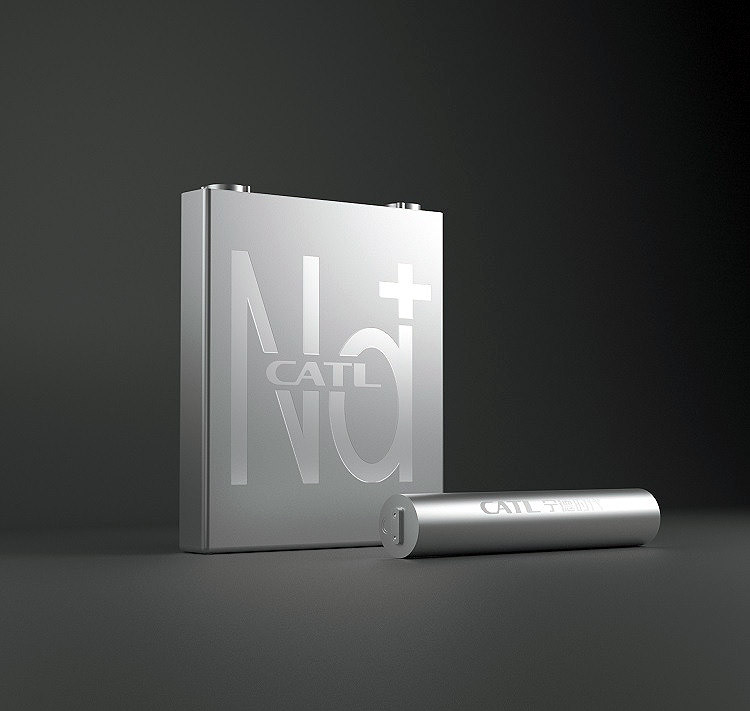
- Second-Generation Leap: Contemporary Contemporary Amperex Technology Co. Limited (CATL) has engineered a second-generation sodium-ion battery achieving an energy density of 200 Wh/kg, nipping at the heels of traditional Lithium Iron Phosphate (LFP) cells.
- PHEV Market Targeting: Beyond pure Battery Electric Vehicles (BEVs), CATL is aggressively positioning its advanced sodium chemistry to capture high-volume market share within the booming Plug-in Hybrid Electric Vehicle (PHEV) sector.
- Cost & Supply Chain Mitigation: By eliminating dependence on scarce lithium carbonate, the technology decouples battery manufacturing from volatile commodity cycles, fundamentally improving enterprise ROI and structural risk mitigation for global automakers.
- Capital Allocation Shift: Tier-1 suppliers and original equipment manufacturers (OEMs) are recalibrating their multi-year capital expenditure frameworks to integrate sodium-ion gigafactory lines ahead of mass commercialization.
BEIJING & HONG KONG — In the high-stakes theater of global energy transition, few announcements carry the market-moving gravity of a structural paradigm shift in electrochemistry. Contemporary Amperex Technology Co. Limited (CATL), the undisputed titan of the global automotive battery ecosystem, has updated markets on its commercial mass production roadmap. Its second-generation sodium-ion chemistry achieves an energy density benchmark of 200 Wh/kg—a watershed metric that brings sodium uncomfortably close to the performance ceiling of conventional Lithium Iron Phosphate (LFP) cells.
For institutional investors, supply chain executives, and automotive strategists, this development represents far more than an incremental laboratory milestone. It is a seismic recalibration of valuation multiples, infrastructure scalability, and raw material risk mitigation. For years, the Achilles' heel of sodium-ion technology has been its weight penalty; while cheaper and safer, early iterations lagged severely in gravimetric energy density, restricting them to low-range urban vehicles or stationary energy storage systems (ESS). CATL’s latest engineering sprint effectively bridges that performance gap, threatening to compress margins for lithium miners and force a rapid rewriting of corporate procurement strategies worldwide.
The Catalytic Shift: Dismantling the Lithium Hegemony
Test Our Free AI & Tech Utilities Suite
Calculate LLM API token costs, analyze article dwell-time, or simulate tech DCA returns.
To understand the profound market liquidity and capital allocation implications of CATL’s announcement, one must examine the volatility that has plagued battery supply chains over the past half-decade. The historic price spikes in lithium carbonate—which touched astronomical highs during the post-pandemic EV demand surge—exposed severe vulnerabilities in automotive supply chains. Automakers realized that relying on a geographically concentrated, finite mineral pool created unacceptable exposure to macro shocks and geopolitical friction.
Sodium, by contrast, is virtually inexhaustible, cheap, and geographically ubiquitous. Extracted primarily from common salt, sodium eliminates the existential dread of supply bottlenecks. However, sodium ions are heavier and larger than lithium ions, historically resulting in lower energy density and sluggish kinetic performance under extreme thermal conditions. CATL’s research and development apparatus has systematically dismantled these electrochemical barriers.
By refining cathode microstructures, optimizing anode interfacial stability, and introducing advanced electrolyte formulations, CATL’s second-generation cells achieve 200 Wh/kg. While premium nickel-manganese-cobalt (NMC) chemistries still reign supreme in long-range luxury applications, 200 Wh/kg places sodium squarely in direct competition with standard LFP cells—the workhorse chemistry powering the vast majority of mainstream commercial EVs and high-volume consumer passenger cars today.
Targeting the Lucrative PHEV Ecosystem

A critical dimension of CATL’s commercial strategy involves the Plugin Hybrid Electric Vehicle (PHEV) market. While media discourse frequently fixates on pure BEV adoption curves, PHEVs have emerged as a massive structural growth engine, particularly across mainland China, Europe, and emerging markets where consumer range anxiety and charging infrastructure gaps persist.
PHEVs require smaller battery packs—typically ranging from 15 kWh to 30 kWh—making them exceptionally sensitive to cell-level unit economics. Because PHEV packs operate on frequent, shallow discharge cycles, they demand robust power delivery, exceptional safety profiles, and low production costs. CATL’s sodium-ion cells perform only slightly worse than LFP in baseline metrics while offering superior low-temperature performance—a notorious weakness for standard lithium cells in sub-zero northern climates.
By targeting the PHEV segment, CATL is executing a classic market penetration play. It is deploying sodium-ion technology where its operational advantages (cold-weather resilience and rock-bottom material costs) shine brightest, establishing high-volume manufacturing lines that will drive down unit costs through relentless economies of scale.
Comparative Metrics: Sodium-Ion vs. LFP and NMC
To quantify the competitive landscape, industry analysts must evaluate the tripartite trade-offs between energy density, cost structure, and thermal safety. The following data breakdown illustrates how CATL’s second-generation sodium-ion technology alters the traditional electrochemical hierarchy:
| Battery Chemistry | Energy Density (Wh/kg) | Primary Raw Material Risk | Low-Temp Performance | Target Market Segment |
|---|---|---|---|---|
| CATL 2nd-Gen Sodium-Ion | ~200 Wh/kg | Very Low (Abundant Sodium) | Exceptional (Retains high capacity at -20°C) | PHEVs, Entry-to-Mid BEVs, ESS |
| Standard LFP (Lithium Iron Phosphate) | 160 – 220 Wh/kg | Moderate (Exposed to Lithium/Iron volatility) | Moderate (Capacity drop in extreme cold) | Mainstream BEVs, Commercial Fleets, ESS |
| NMC (Nickel Manganese Cobalt) | 250 – 300+ Wh/kg | High (Severe exposure to Nickel & Cobalt pricing) | Good | Long-Range Premium BEVs, Performance Vehicles |
Industry & Market Implications: Winners, Losers, and Capital Reallocation
The maturation of CATL’s sodium-ion architecture triggers immediate downstream consequences across global financial and industrial sectors. Navigating this transition successfully requires a clear-eyed assessment of who captures economic rent and who absorbs structural obsolescence.
The Winners: Tier-1 Giants and Cost-Conscious OEMs
CATL solidifies its moat as the undisputed technological hegemon of the battery sector. By controlling both advanced LFP and high-density sodium-ion pathways, CATL offers automakers an unassailable dual-sourcing hedge. Mass-market automotive brands operating on razor-thin operating margins—particularly Chinese domestic giants and value-focused European manufacturers—stand to benefit immensely. Lower pack costs directly translate into vehicle price parity with internal combustion engines (ICE), accelerating total addressable market expansion.
The Losers: Pure-Play Lithium Miners and High-Cost LFP Producers
Upstream lithium extraction companies face a structural valuation ceiling. While lithium will remain indispensable for premium high-density applications and legacy contracts, the psychological buffer of infinite sodium substitution removes the speculative pricing spikes that previously minted mining fortunes. Furthermore, mid-tier battery manufacturers lacking proprietary sodium-ion intellectual property risk severe margin compression as pricing pressure intensifies in the volume segment.
From a regulatory compliance standpoint, automakers pivoting toward sodium-ion also gain immense flexibility regarding geopolitical sourcing mandates, such as the United States Inflation Reduction Act (IRA) and European Union critical raw material frameworks. Because sodium inputs can be easily localized domestically, supply chain friction is drastically minimized.
Frequently Asked Questions (People Also Ask)
What is the primary performance difference between CATL's sodium-ion batteries and standard LFP batteries?
While standard LFP cells range between 160 to 220 Wh/kg, CATL's second-generation sodium-ion battery achieves approximately 200 Wh/kg. This narrow performance gap means sodium-ion cells can now compete directly with LFP in mainstream applications. While LFP still holds a slight edge in absolute maximum energy density for long-range vehicles, sodium-ion outperforms LFP significantly in sub-zero temperature retention and raw material cost stability.
Why is CATL focusing heavily on the PHEV (Plug-in Hybrid Electric Vehicle) market for sodium-ion batteries?
PHEVs require smaller battery pack capacities (typically 15-30 kWh) and undergo frequent, shallow charge-discharge cycles. These operational parameters make them ideal candidates for sodium-ion chemistry. Additionally, because PHEVs are price-sensitive consumer vehicles aimed at bridging the gap between ICE and full electrification, lowering pack production costs via abundant sodium inputs maximizes corporate enterprise ROI for automakers.
How do sodium-ion batteries impact the broader lithium supply chain and commodity pricing?
The commercialization of high-density sodium-ion batteries acts as a natural price ceiling on lithium carbonate. By providing a viable, abundant alternative for high-volume entry-to-mid-tier vehicle segments, sodium-ion technology mitigates extreme commodity price volatility, insulating automakers from geopolitical supply shocks and reshaping long-term capital allocation in mining assets.
When will vehicles powered by CATL's second-generation sodium-ion cells hit public roads?
Following CATL's strategic updates regarding mass production milestones, tier-1 automotive partners are already integrating cell samples into pre-production validation cycles. Commercial rollouts across select PHEV and entry-level EV models are slated to scale rapidly over the next 12 to 24 months, subject to individual OEM platform timelines.
Future Outlook: Milestones on the Horizon
As CATL transitions from laboratory refinement to industrial-scale gigafactory output, industry observers must monitor several critical operational milestones over the coming fiscal quarters:
- Yield and Gigafactory Conversion Rates: Tracking how quickly CATL can convert existing LFP manufacturing lines or build dedicated greenfield facilities optimized for sodium-ion precursor handling.
- OEM Platform Integration: Identifying which specific global automakers announce commercial supply agreements for CATL's second-generation sodium cells within their upcoming PHEV and affordable BEV line-ups.
- Cycle Life Durability Data: Independent verification of long-term calendar aging, degradation rates, and charge retention under punishing real-world operational cycles.
- Macroeconomic Commodity Spread: Observing the statistical correlation between lithium market spot prices and the aggressive commercial pricing strategies deployed by battery cell manufacturers.
Ultimately, CATL’s achievement is not merely an engineering triumph; it is a foundational restructuring of global energy economics. By proving that sodium-ion chemistry can shoulder the performance demands of modern electrified transport without breaking the bank—or the planet's resource limits—CATL has redrawn the boundaries of what is possible in the relentless pursuit of sustainable mobility.