Executive Takeaways
- Strategic Infrastructure Shift: Microsoft is methodically unwinding its reliance on Oracle Cloud Infrastructure (OCI) to rent supplemental AI compute capacity, transitioning workloads back to proprietary data center architectures.
- Capital Allocation & Margin Protection: As infrastructure scalability costs mount, hyperscalers are aggressively auditing third-party hosting agreements to safeguard operating margins and optimize long-term enterprise ROI.
- Ecosystem Realignment: While the headline signals a decoupling, high-level enterprise database and multi-cloud interoperability partnerships between Microsoft Azure and Oracle remain structurally intact.
- Market & Valuation Impact: Analysts are viewing this compute repatriation as a bellwether for cloud valuation multiples, signaling that proprietary silicon efficiency and custom data center buildouts are taking precedence over rented capacity.
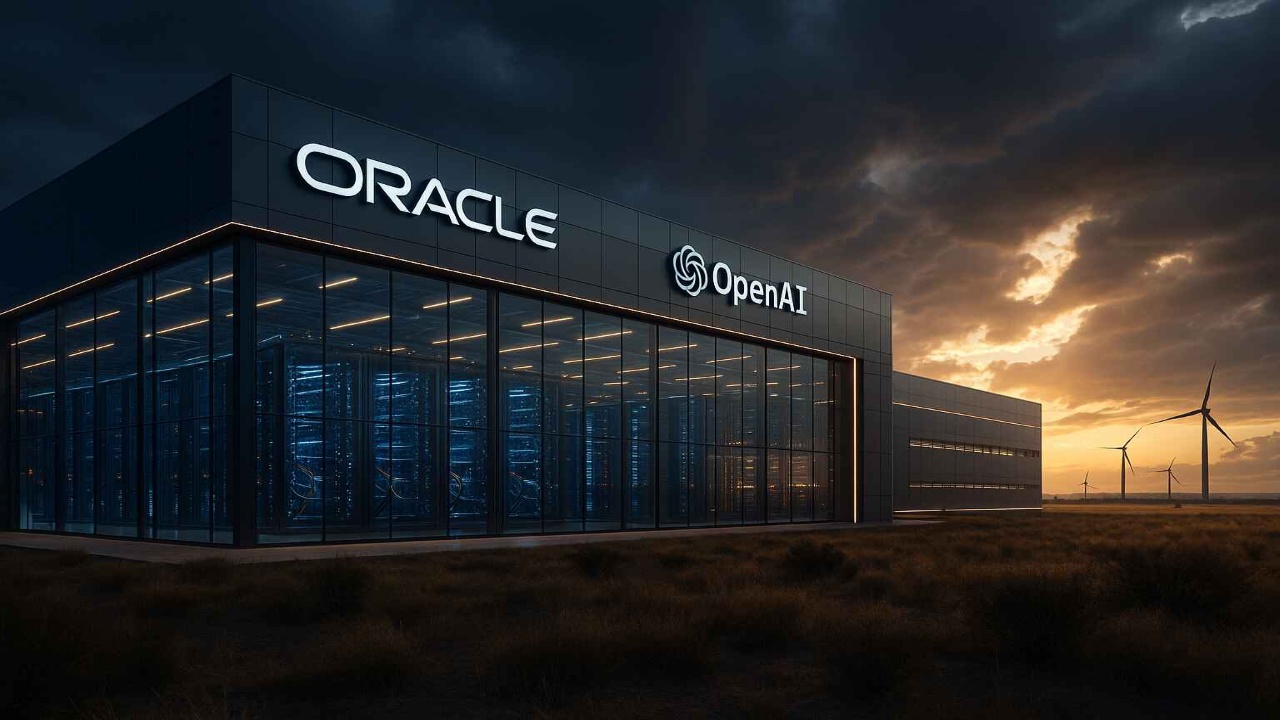
For the past thirty-six months, the generative AI gold rush has forced an unprecedented scramble for raw compute capacity. Hyperscale cloud providers, facing historic supply chain bottlenecks for advanced graphics processing units (GPUs) and specialized networking hardware, engaged in unorthodox cross-platform partnerships to bridge structural capacity deficits. Among the most closely watched of these arrangements was the strategic bridge between Microsoft and Oracle—a pact that allowed Azure to leverage Oracle Cloud Infrastructure (OCI) to service surging enterprise demand for OpenAI training and inference workloads.
Now, according to exclusive industry intelligence and verified supply chain disclosures, that bridge is being systematically dismantled. Microsoft is executing a controlled wind-down of its arrangement to rent AI cloud capacity from Oracle. This move marks a pivotal turning point in the economics of cloud compute architecture, capital allocation strategies, and the competitive chess match underpinning the global artificial intelligence boom.
The Genesis and Mechanics of the Microsoft-Oracle AI Bridge
Test Our Free AI & Tech Utilities Suite
Calculate LLM API token costs, analyze article dwell-time, or simulate tech DCA returns.
To understand the gravity of Microsoft’s current pivot, one must examine the acute crisis of 2022 and 2023. When OpenAI’s ChatGPT sparked an unprecedented enterprise scramble, Microsoft found itself wrestling with a dual constraint: astronomical, parabolic demand for frontier model training and an acute global shortage of advanced accelerators, specifically NVIDIA H100 and A100 clusters.
To honor commercial service-level agreements and maintain its first-mover advantage in the enterprise AI space, Microsoft Azure adopted a pragmatic, albeit expensive, risk-mitigation strategy. It partnered with Oracle—a longtime enterprise database rival turned cloud infrastructure ally—to lease OCI data center capacity. Oracle had aggressively engineered its AI supercomputing clusters with high-performance RDMA (Remote Direct Memory Access) networking, making OCI an attractive, ready-made landing pad for overflow Azure workloads.
However, renting infrastructure at scale from a primary competitor introduces structural friction. While the arrangement successfully averted capacity shortfalls during the peak of the generative AI inflection point, it created long-term margin compression. For Microsoft, relying on external infrastructure meant conceding a portion of its cloud margin to a third party while managing complex cross-cloud latency and data sovereignty architectures.
Capital Allocation, Margin Protection, and the Shift to Proprietary Scale
As capital markets scrutinize the staggering capital expenditures (CapEx) poured into AI data centers by Big Tech, enterprise ROI has transitioned from a boardroom talking point to an absolute mandate. Wall Street analysts and institutional investors have made it clear that sustained valuation multiples depend not just on top-line revenue growth fueled by AI, but on operating margin discipline.
Microsoft’s decision to wind down the Oracle rental agreement is fundamentally driven by two interrelated variables:
- Internal Capacity Maturation: Massive multi-billion-dollar investments in proprietary Azure data center footprints, custom silicon development (such as the Microsoft Maia AI accelerators), and direct power procurement are finally bearing fruit. The acute hardware bottlenecks of 2023 are gradually easing into structured, predictable supply chains.
- Unit Economics Optimization: Renting capacity at commercial wholesale rates to fulfill retail AI subscriptions imposes a permanent tax on gross margins. By migrating workloads onto self-owned, vertically integrated infrastructure, Microsoft can dramatically lower its cost per training run and inference query.
This structural shift reflects a broader maturation of the cloud compute architecture market. The phase of opportunistic, "at-any-cost" infrastructure acquisition is giving way to rigorous cost control, balance sheet optimization, and disciplined risk mitigation.
Verified Data & Metrics Breakdown
| Metric / Dimension | Peak Partnership Phase (2023–2024) | Current Phase: Wind-Down & Repatriation (2025+) |
|---|---|---|
| Primary Compute Source | Hybrid Azure + OCI Rented Clusters | Proprietary Azure Datacenters & Custom Silicon |
| Primary Strategic Driver | Immediate Capacity Acquisition & Time-to-Market | Margin Protection, Unit Economics, & CapEx Efficiency |
| Regulatory & Compliance Overhead | Complex Cross-Cloud Multi-Tenant Governance | Unified Microsoft Compliance & Sovereign Cloud Frameworks |
| Impact on Enterprise Multi-Cloud | High integration via Oracle Database@Azure | Unchanged for database interoperability; isolated to AI compute rental |
Industry & Market Implications: Who Wins, Who Loses?
Every major realignment in the cloud computing oligopoly sends shockwaves through enterprise IT spending, software valuations, and hardware supply chains. Dissecting the fallout of Microsoft's wind-down reveals distinct winners and losers:
The Winners: Microsoft’s Proprietary Ecosystem and Silicon Diversification
Microsoft stands to benefit most directly through enhanced operating leverage. By internalizing these high-volume AI workloads, the tech giant protects its gross margins and tightens its end-to-end control over security, latency, and performance optimization. Furthermore, this move validates Microsoft’s long-term bet on custom silicon development, signaling to markets that its heavy capital expenditures in proprietary data center infrastructure are yielding operational independence.
The Complex Reality for Oracle
While losing a high-profile anchor tenant for AI compute rental sounds like a setback on paper, Oracle’s cloud strategy remains robustly diversified. OCI carved out a lucrative niche by proving its technical superiority in high-performance GPU clustering during a critical industry bottleneck. Moreover, the broader strategic alliance—specifically the highly successful Oracle Database@Azure integration—remains entirely unaffected. Oracle continues to capture massive enterprise database migration budgets directly inside Microsoft’s data center footprint, ensuring deep, enduring commercial ties between the two titans.
Broader Economic and Market Liquidity Impact
From a macroeconomic perspective, this transition highlights a maturing tech sector. Institutional investors tracking cloud infrastructure stocks are shifting their focus from raw top-line growth metrics to capital efficiency and infrastructure scalability. Companies that can scale compute capacity without diluting return on invested capital (ROIC) will command premium valuation multiples in the quarters ahead.
Frequently Asked Questions (People Also Ask)
Why is Microsoft winding down its AI cloud rental deal with Oracle?
Microsoft is unwinding the agreement because its internal data center capacity, proprietary silicon initiatives, and direct hardware supply chains have matured. Renting third-party infrastructure introduced margin compression and cross-cloud friction; migrating workloads to proprietary architectures optimizes long-term unit economics and enterprise ROI.
Does this mean the entire Microsoft and Oracle partnership is ending?
No. The wind-down is strictly isolated to the supplemental rental of AI compute capacity. Core enterprise partnerships—most notably the Oracle Database@Azure service, which allows joint enterprise customers to run Oracle databases directly within Azure data centers—remain fully active and strategically vital.
How does this impact enterprise customers currently running AI models on Azure?
End-users and enterprise clients will experience zero operational disruption. Microsoft has engineered the workload repatriation to occur seamlessly behind the scenes, leveraging its expanded internal data center footprint to maintain existing service-level agreements and performance benchmarks.
What does this signal for the broader cloud computing and AI infrastructure market?
It signals a transition from emergency, "at-any-cost" infrastructure acquisition to disciplined capital allocation. Hyperscalers are increasingly prioritizing proprietary infrastructure efficiency, margin protection, and long-term asset ownership over renting third-party capacity to meet generative AI demand.
Future Outlook: Key Milestones to Watch
As Microsoft completes its tactical decoupling from Oracle’s rented AI capacity, industry observers and financial analysts should monitor several critical milestones over the next 12 to 18 months:
- Azure Gross Margin Trajectory: Watch for margin expansion in Microsoft’s Intelligent Cloud segment as external infrastructure hosting costs roll off the balance sheet and internalized custom silicon scales.
- Deployment Velocity of Custom Silicon: Track the commercial rollout and workload absorption rates of Microsoft’s proprietary Maia accelerators within primary Azure availability zones.
- <OCI’s Pivot to New Enterprise Verticals: Monitor how Oracle redeploys its freed-up high-performance GPU capacity to capture sovereign cloud, specialized startup, and enterprise HPC (High-Performance Computing) contracts.
- Multi-Cloud Database Adoption Metrics: Keep a close eye on adoption rates for Oracle Database@Azure, which will serve as the litmus test for the ongoing health of the broader Microsoft-Oracle corporate alliance.
Ultimately, Microsoft’s wind-down of its Oracle cloud rental deal is not a sign of corporate hostility, but a masterclass in infrastructure lifecycle management. In the high-stakes arena of artificial intelligence, initial survival required renting whatever capacity was available. Dominance, however, requires owning the foundation—and Microsoft is reclaiming its foundation on its own terms.