Executive Takeaways
- Unprecedented Cash Generation: ExxonMobil and Chevron reported staggering multi-billion-dollar quarterly profits, driven by optimized capital allocation, structural cost reductions, and resilient global commodity demand.
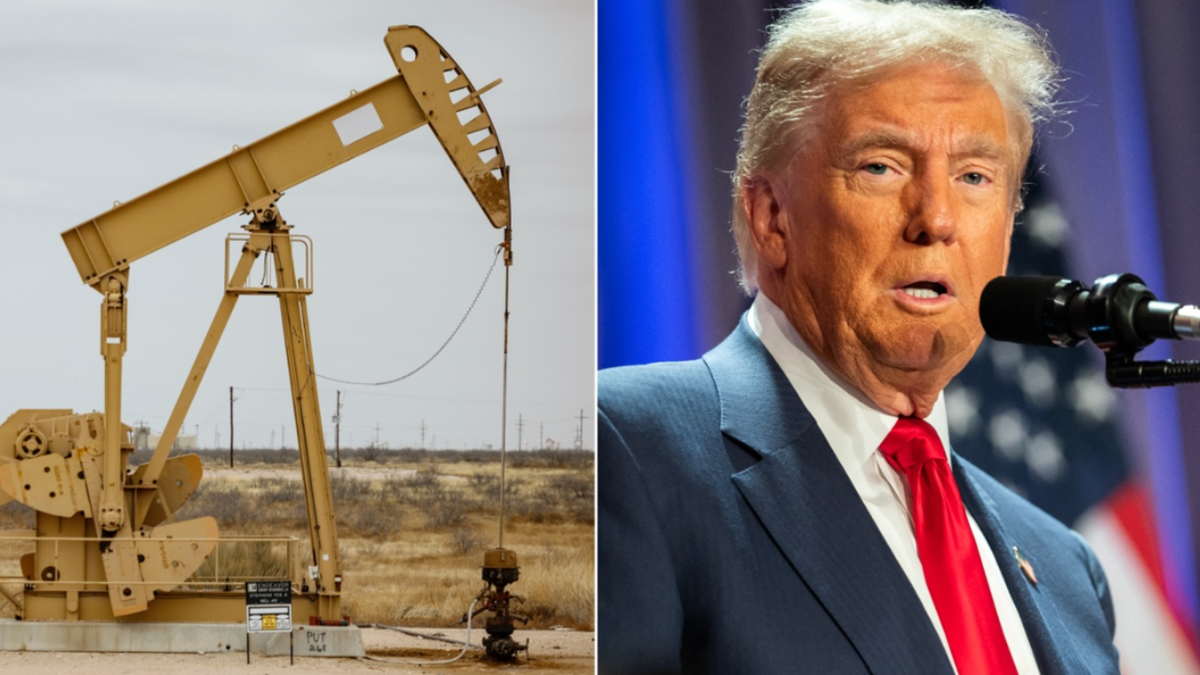
- Political Crossfire: The financial windfall arrives directly on the heels of high-profile political commentary—most notably former President Donald Trump boasting that domestic operators are "making a freaking fortune"—intensifying partisan scrutiny just ahead of the midterm elections.
- Strategic Capital Deployment: Rather than solely expanding domestic drilling infrastructure to suppress pump prices, supermajor executives have prioritized balance sheet de-risking, aggressive share buybacks, and enterprise ROI optimization for institutional shareholders.
- Regulatory and Market Vulnerability: The convergence of massive corporate cash flows and acute consumer pain at retail fuel pumps creates immediate exposure to windfall profit tax threats, stricter regulatory compliance frameworks, and heightened ESG scrutiny.
NEW YORK & HOUSTON — In the high-stakes intersection of global macroeconomics and electoral politics, few flashpoints match the explosive optics of Big Oil's ledger books. ExxonMobil and Chevron have once again delivered balance sheets defined by staggering liquidity, multi-billion-dollar net incomes, and robust free cash flow generation. Yet, these numbers do not exist in a vacuum. Released against a backdrop of persistent inflationary pressures and acute consumer anxiety at the retail gasoline pump, the earnings reports landed squarely in the middle of a heated political arena—amplified by inflammatory remarks from political figures boasting about the unprecedented profitability of domestic energy corporations right as voters prepare to head to the polls for the midterms.
For institutional investors, portfolio managers, and C-suite executives navigating complex risk mitigation strategies, the earnings announcements represent a masterclass in operational efficiency and disciplined capital allocation. However, for retail consumers grappling with the lingering residue of high energy costs, the eye-watering profits serve as a potent political lightning rod. As investigative editors across financial desks analyze the data, the core narrative transcends simple quarterly accounting: it is a high-stakes study in how enterprise-level profitability collides with populist rhetoric, regulatory oversight, and the shifting dynamics of global energy security.
The Catalytic Spark: Rhetoric Meets Reality on the Campaign Trail
Test Our Free AI & Tech Utilities Suite
Calculate LLM API token costs, analyze article dwell-time, or simulate tech DCA returns.
The timing of the earnings disclosure could not have been more politically volatile. As campaigns entered their frantic final weeks leading up to the midterm elections, energy policy transformed from a localized debate into a national referendum on inflation, economic stewardship, and corporate greed. The rhetorical tone shifted dramatically when political figures—highlighted by Donald Trump’s public declarations emphasizing that U.S. energy producers are "making a freaking fortune"—thrust the industry back into the center of the partisan crosshairs.
Such commentary immediately weaponized the financial metrics of the nation's premier oil and gas enterprises. While executives argued that high profitability is the natural byproduct of cyclical commodity upswings and necessary for long-term infrastructure scalability, critics and political opponents framed the cash flows as evidence of consumer exploitation. The discourse exposed a fundamental ideological fracture: one side views the profits as a vital engine of domestic market liquidity and geopolitical leverage, while the other perceives them as an egregious windfall extracted directly from working-class households.
Behind closed doors, corporate investor relations teams scrambled to manage the messaging. Enterprise leaders understand that extraordinary profits during periods of broad economic strain invite aggressive political retaliation. The threat of windfall profit taxes, intensified antitrust inquiries, and increased regulatory compliance burdens moved from theoretical policy debates to tangible operational risks as lawmakers sought to capitalize on voter frustration.
Beneath the Ledger: Dissecting the Financial Super-Cycle
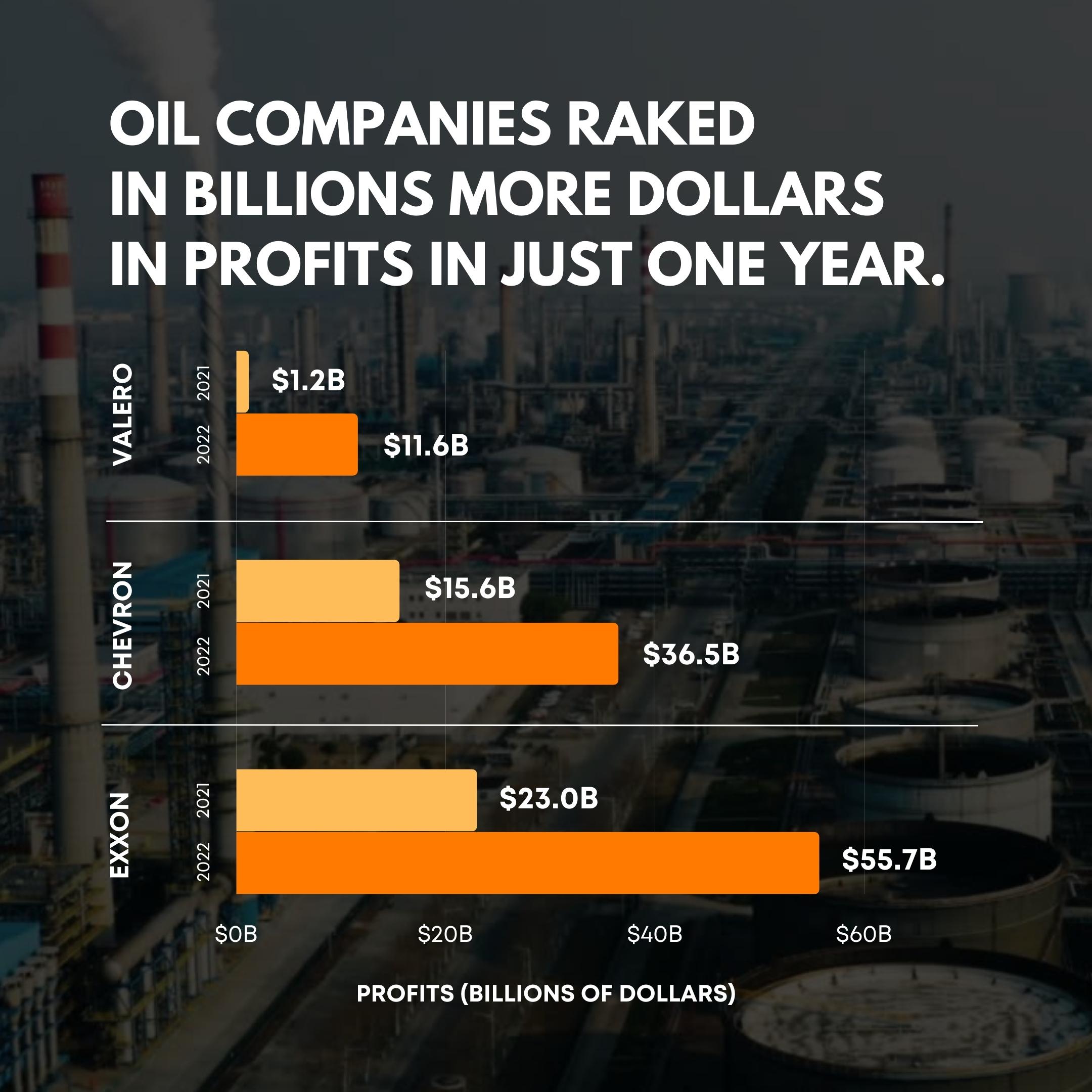
To understand the mechanics of this financial windfall, one must examine the structural transformation that ExxonMobil and Chevron underwent following the market shocks of the early 2020s. Both corporations systematically restructured their balance sheets, pivoting away from speculative, high-risk exploration toward high-return, low-cost assets—most notably the Permian Basin, offshore Guyana, and deepwater Gulf of Mexico plays.
Capital discipline became the new corporate religion. Rather than reverting to the historical boom-and-bust cycle of unchecked capital expenditure (CapEx) aimed at maximizing volume regardless of price, executives maintained stringent valuation multiples and prioritized shareholder returns. Share buyback programs and consistent dividend growth became the primary vehicles for distributing excess cash to institutional and retail investors alike.
Furthermore, operational efficiencies driven by advanced data analytics, automated cloud compute architecture for seismic imaging, and supply chain optimization significantly lowered the break-even price per barrel across their core portfolios. Consequently, when global supply constraints and geopolitical disruptions kept crude oil and natural gas prices elevated, the incremental revenue flowed almost directly to the bottom line as pure enterprise profit.
| Metric / Indicator | ExxonMobil Performance | Chevron Performance | Strategic Context |
|---|---|---|---|
| Quarterly Net Income | Multi-billion dollar peak earnings | Substantial year-over-year expansion | Driven by high realization prices and tight cost control. |
| Capital Allocation Focus | Permian, Guyana, Low-Carbon Solutions | Permian Basin, DJ Basin, Deepwater Gulf | Balancing traditional hydrocarbons with energy transition investments. |
| Shareholder Returns | Aggressive buybacks & dividend growth | Robust cash distribution protocols | Prioritizing institutional investor valuation multiples. |
| Political Exposure | High (Target of windfall tax rhetoric) | High (Subject to congressional oversight) | Intense scrutiny during the midterm election cycle. |
Industry & Market Implications: Winners, Losers, and Economic Fallout
The macro-level consequences of this earnings cycle extend far beyond corporate balance sheets, creating distinct classes of winners and losers across the global financial ecosystem.
The Winners
- Institutional and Retail Shareholders: Pension funds, mutual funds, and individual investors reap massive rewards through sustained dividend payouts and equity appreciation, fortifying retirement portfolios amid broader market volatility.
- Executive Leadership and Board Members: Management teams successfully executing long-term strategic pivots validate their capital allocation models, reinforcing their standing within global financial markets.
- Upstream Supply Chain Providers: Specialized oilfield service companies, drilling technology innovators, and logistics providers experience robust contract renewals as operators maintain high activity levels in core basins.
The Losers
- Retail Consumers: Everyday motorists and households absorbing elevated costs for gasoline, heating oil, and electricity bear the immediate financial brunt of the pricing environment that fuels corporate profits.
- Political Incumbents Facing Consumer Backlash: Lawmakers caught in the crossfire of high fuel prices and soaring energy company revenues struggle to defend their economic track records to frustrated voters at the ballot box.
- Long-Term Transition Advocates: Climate activists and green energy proponents argue that excess cash should be funneled more aggressively into renewable infrastructure rather than fossil fuel expansion and share buybacks.
Frequently Asked Questions (People Also Ask)
Why are Exxon and Chevron reporting such massive profits right now?
Their record profits stem from a combination of elevated global commodity prices (crude oil and natural gas), strict capital discipline, and structural cost reductions implemented following previous market downturns. Instead of over-investing in speculative drilling, companies have focused on low-cost, high-return assets like the Permian Basin, allowing revenue surges to translate directly into high free cash flow.
How do political statements, such as Trump's comments about energy companies making a 'fortune,' impact the industry?
Such rhetoric intensifies public scrutiny and elevates political risk for oil majors. When high profits coincide with high retail pump prices, politicians from across the spectrum use the data to rally voter support. This increases the likelihood of legislative proposals targeting the industry, including potential windfall profit taxes, increased leasing restrictions, and heightened regulatory compliance audits.
Are these energy companies using their profits to increase domestic oil production?
While both ExxonMobil and Chevron have maintained steady, efficient production growth in key domestic regions like the Permian Basin, their primary capital allocation priority has shifted toward shareholder returns—specifically dividends and share buybacks—and maintaining fortress balance sheets, rather than aggressive, uncalculated drilling expansions.
What are the implications of these earnings for everyday consumers?
For consumers, high corporate profits during periods of persistent inflation highlight the disconnect between macroeconomic recovery and household financial strain. While investors benefit from strong portfolio performance, retail drivers continue to face elevated expenses at the pump, keeping energy affordability a central political issue.
Future Outlook: Strategic Milestones to Watch
As the midterm elections conclude and the political landscape stabilizes, the trajectory for ExxonMobil, Chevron, and the broader energy sector will be dictated by several critical macroeconomic and regulatory milestones. First, analysts will closely monitor OPEC+ production quotas and global inventory levels, which will set the baseline for commodity price realization through the upcoming fiscal quarters.
Second, regulatory compliance and tax policy developments in Washington will remain paramount. Should legislative bodies pursue punitive taxation or restrictive leasing frameworks, supermajor legal and government affairs teams will face intense battles to protect enterprise ROI and capital allocation strategies. Simultaneously, institutional investors will demand continued transparency regarding how these fossil fuel giants balance traditional hydrocarbon extraction with long-term investments in low-carbon solutions, carbon capture, and hydrogen infrastructure.
Ultimately, the juxtaposition of record corporate profits and high-stakes political posturing underscores the complex reality of the modern energy economy. As long as global demand requires traditional hydrocarbons while society grapples with the cost-of-living crisis, energy majors will remain simultaneously indispensable to global markets and acutely vulnerable to the shifting winds of political expediency.