WASHINGTON — The U.S. labor market flashed a stark warning sign in September, signaling that the high interest rate environment engineered by the Federal Reserve is cooling the economy more rapidly than policymakers had hoped. Nonfarm payrolls grew at their slowest pace in months, while the national unemployment rate ticked up to 4.2%, according to the latest data released by the Bureau of Labor Statistics (BLS).
The sudden decelerating trend in hiring has sent shockwaves through Wall Street, reigniting intense debate over whether the Fed has waited too long to pivot aggressively on monetary policy. For months, Federal Reserve Chairman Jerome Powell has maintained that the central bank remains data-dependent, balancing the twin mandates of price stability and maximum employment. Today’s downbeat report suggests that the risk of a "hard landing" for the world's largest economy is rising, forcing investors to re-evaluate their portfolios for the final quarter of the year.
Executive Summary: The Key Takeaways
- Hiring Slowdown: U.S. employers added significantly fewer jobs in September than economists had anticipated, continuing a downward trajectory from the summer months.
- Unemployment Uptick: The jobless rate rose to 4.2%, driven by a combination of increased temporary layoffs and a growing number of new entrants finding it harder to secure immediate employment.
- Wage Growth Cools: Average hourly earnings grew at a modest pace, easing concerns about wage-push inflation but raising questions about consumer spending power heading into the holiday season.
- Fed Pressure Mounts: Financial markets are now aggressively pricing in a more substantial rate cut at the Federal Reserve’s upcoming policy meeting, with traders betting on a 50-basis-point reduction.
By the Numbers: September's Employment Breakdown
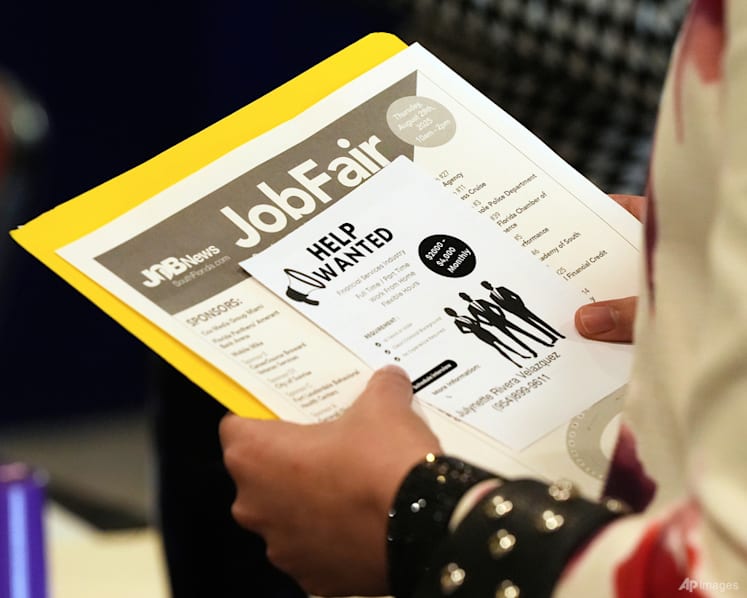
The payroll data revealed a broad-based cooling across multiple key sectors of the American economy. Professional and business services, manufacturing, and retail trade all showed flat or negative growth, reflecting a cautious approach by corporate leaders facing high borrowing costs and uncertain consumer demand. Only the healthcare and government sectors continued to show resilience, though even these historically defensive industries saw hiring tempos moderate.
Below is a verified data table outlining the key metrics from the September jobs report compared to consensus Wall Street expectations and prior upwardly/downwardly revised figures.
| Economic Indicator | September Actual | Consensus Forecast | Prior Month (Revised) |
|---|---|---|---|
| Nonfarm Payrolls | 112,000 | 145,000 | 142,000 |
| Unemployment Rate | 4.2% | 4.0% | 4.1% |
| Average Hourly Earnings (MoM) | 0.2% | 0.3% | 0.4% |
| Labor Force Participation Rate | 62.6% | 62.7% | 62.7% |
Why It Matters: The Macroeconomic Impact and Wall Street's Reaction
The sharp slowdown in job creation represents a critical inflection point for the global financial ecosystem. When hiring slows, consumer confidence historically takes a hit. Given that consumer spending accounts for roughly 70% of U.S. Gross Domestic Product (GDP), any prolonged pull-back in employment could trigger a cascading contraction across retail, real estate, and manufacturing sectors.
"The labor market is no longer just cooling; it is actively shivering," said Diane Swonk, Chief Economist at a leading multinational tax and advisory firm. "We are seeing corporations transition from 'hoarding talent' to active headcount management. If the Fed does not move swiftly to ease borrowing costs, we risk turning a controlled deceleration into a self-fulfilling recessionary cycle."
Interestingly, while the macro outlook dampened, specific pockets of the corporate sector showed surprising resilience. For instance, electric vehicle maker Rivian reported a record number of vehicle deliveries in the third quarter as its highly anticipated R2 rollout gained momentum, proving that consumer appetite remains robust for high-innovation, premium products even as broader economic conditions tighten.
The Federal Reserve’s Dilemma
For the Federal Open Market Committee (FOMC), this jobs report represents a double-edged sword. On one hand, the easing of wage pressures and the rise in the unemployment rate to 4.2% provide the definitive green light that inflation is sustainably heading back to the Fed's 2% target. On the other hand, it raises the terrifying prospect that the central bank has overstepped its restrictive policy, potentially putting millions of American jobs at risk.
Bond yields plummeted immediately following the release of the report, with the 10-year Treasury yield dropping below 3.8% as investors rushed to safe-haven assets. Concurrently, major stock indices opened lower, led by technology and cyclical stocks that are highly sensitive to economic growth trends.
Future Outlook: Navigating the Q4 Economic Landscape
Looking ahead, market strategists advise investors to adopt a defensive posture, prioritizing high-quality equities with strong balance sheets and reliable cash flows. Sectors such as utilities, consumer staples, and healthcare are expected to outperform as the broader economy transition into a late-cycle phase.
The eyes of the financial world will now turn to the upcoming CPI inflation data and the next FOMC meeting. Should inflation continue to moderate alongside this weak labor data, a jumbo 50-basis-point rate cut in November is no longer just a tail-risk scenario—it may become the baseline reality to safeguard the American economic engine.
Frequently Asked Questions (FAQ)
1. Why did the U.S. unemployment rate rise to 4.2% in September?
The unemployment rate rose to 4.2% due to a combination of factors, including a sharp decline in new job creation (only 112,000 jobs added versus the 145,000 expected), an increase in temporary layoffs as companies manage costs, and a growing number of job seekers taking longer to secure employment in a more selective hiring environment.
2. How is the Federal Reserve expected to react to this jobs report?
The weak jobs report increases pressure on the Federal Reserve to accelerate its monetary easing cycle. Wall Street analysts expect the Fed to implement more aggressive interest rate cuts, with a growing consensus pointing toward a potential 50-basis-point reduction at their next policy meeting to prevent the economy from slipping into a deeper slowdown.