Executive Takeaways
- The Strategic Pivot: On August 19, the U.S. Treasury stunned fixed-income desks by announcing plans to at least double the velocity and volume of its longer-dated Treasury bond buybacks.
- Liquidity vs. Yield Control: While framed as routine debt management and liquidity enhancement, sophisticated market participants recognize the intervention as a calculated effort to cap rising long-term sovereign yields.
- Global Precedents: This maneuver mirrors aggressive moves by other advanced economies attempting to engineer market stability amid persistent inflationary pressures and deteriorating debt-to-GDP trajectories.
- Portfolio Reallocation: Institutional asset allocators must immediately recalibrate their capital allocation, risk mitigation strategies, and duration risk profiles to account for artificial suppression of the yield curve.
For decades, the narrative surrounding the United States Treasury market rested on a foundational assumption: the world's deepest, most liquid risk-free asset class operates primarily on transparent supply-and-demand dynamics dictated by macroeconomic fundamentals. However, that illusion of unvarnished price discovery was severely tested when the U.S. Treasury Department executed a surgical policy surprise. By signaling an aggressive expansion of its buyback program for longer-dated securities, Washington exposed the structural vulnerabilities lurking beneath the surface of the global financial architecture.
According to analytical insights originating from the Council on Foreign Relations and corroborated by senior fixed-income strategists, this unexpected maneuver is far more than a routine administrative adjustment. It represents a subtle, defensive escalation in a global campaign by advanced economies to actively manage—and ultimately limit—rising government bond yields before they trigger systemic liquidity crunches. For institutional investors, chief risk officers, and corporate treasurers, decoding the implications of this buyback shock is essential for navigating the next phase of monetary policy and capital market volatility.
The Anatomy of the August 19 Announcement
The timeline of events leading up to the policy shift underscores the sensitivity of current market plumbing. On August 19, the U.S. Treasury caught Wall Street dealers flat-footed by releasing an updated borrowing estimate and operational framework indicating that it would at least double the scale of its scheduled buybacks of longer-dated Treasury bonds. The immediate reaction across swap and futures desks was electric. Yields on the benchmark 10-year and 30-year U.S. Treasury notes compressed sharply, while bid-ask spreads tightened as primary dealers absorbed the implications of a motivated, deep-pocketed buyer entering the secondary market.
To understand why this decision sent shockwaves through the financial ecosystem, one must examine the mechanics of the Treasury's buyback initiative, which was originally introduced to smooth out cash-flow fluctuations and improve market liquidity in off-the-run securities. By dramatically scaling up these operations to target long-dated debt, the Treasury is effectively absorbing duration risk from primary dealers and institutional balance sheets. In doing so, it accomplishes two critical objectives: it provides a reliable backstop for primary dealers struggling with balance sheet capacity constraints, and it exerts downward pressure on the long end of the yield curve.
This policy pivot cannot be viewed in a vacuum. Advanced economies across the globe—from Japan to the Eurozone—have increasingly deployed balance sheet interventions to combat disorderly spikes in borrowing costs. As sovereign debt issuance surges to fund structural deficits, green transitions, and defense modernization, the sheer weight of supply threatens to overwhelm traditional buyer appetite. The U.S. Treasury's August surprise signals that Washington is no longer willing to leave the long end of the curve entirely at the mercy of volatile international capital flows and shifting inflation expectations.
Verified Data & Metrics Breakdown
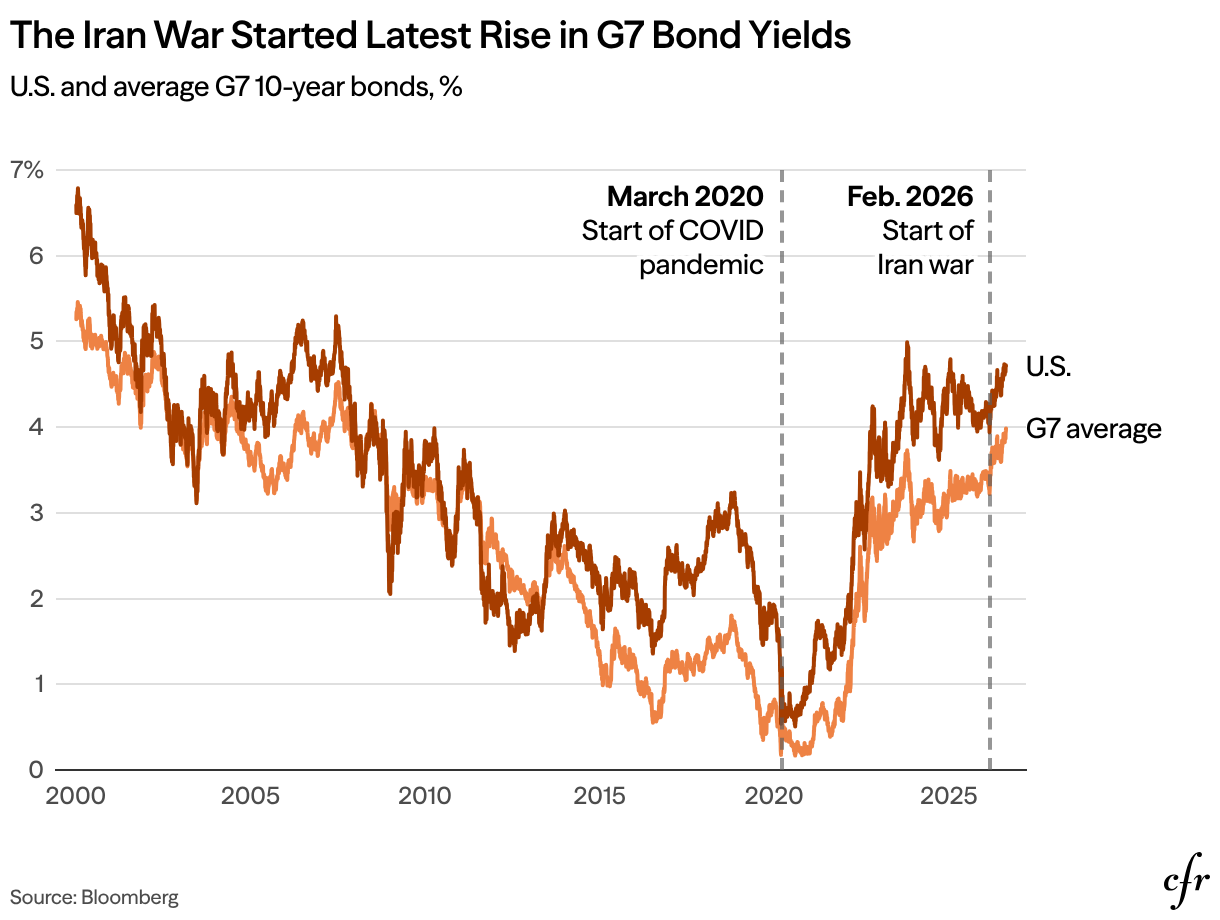
A rigorous examination of the Treasury's operational shift requires analyzing the quantitative parameters governing the buyback program versus historical baselines. The following table details the core metrics defining the August policy adjustment and its immediate structural impact on the market.
| Metric / Parameter | Pre-August Baseline | Post-Announcement Framework | Strategic Implication |
|---|---|---|---|
| Long-Term Buyback Volume | Capped at modest quarterly targets | At least doubled in scale and velocity | Enhances dealer capacity and absorbs heavy duration supply. |
| Primary Focus Tenors | Off-the-run liquidity support | Expanded to longer-dated benchmark zones | Directly targets the steepest points of the yield curve. |
| Market Liquidity Impact | Intermittent friction in off-the-run issues | Significantly compressed bid-ask spreads | Improves collateral velocity and repo market stability. |
| Yield Curve Reaction | Upward pressure from structural supply | Downward compression on 10Y and 30Y yields | Artificial suppression of term premium. |
Industry & Market Implications: Winners, Losers, and Systemic Risk
Every major structural intervention in the sovereign debt market creates clear asymmetries between asset classes and institutional participants. Understanding who benefits and who absorbs the friction is vital for accurate valuation and risk mitigation.
The Beneficiaries
Primary dealers and major commercial banks stand as immediate beneficiaries of the expanded buyback program. These institutions operate under strict regulatory compliance frameworks—such as the Supplementary Leverage Ratio (SLR)—that frequently penalize balance sheet expansion. By routinely purchasing older, less liquid bonds and selling them back to the Treasury, dealers can optimize their capital allocation, reduce balance sheet encumbrance, and free up capital for other revenue-generating activities.
Additionally, corporate issuers planning capital market debt issuance benefit from the artificial suppression of benchmark long-term yields. By dampening volatility at the long end of the curve, the Treasury provides a more predictable pricing environment for enterprise capital raising, infrastructure scalability financing, and corporate refinancing schedules.
The Vulnerabilities and Lacks
Conversely, long-term institutional investors—specifically defined-benefit pension funds and life insurance companies—face distinct challenges. These entities rely on natural, unmanipulated yield curves to match their long-duration liabilities. When sovereign buyback programs depress long-term yields, the present value of future liabilities expands while asset returns contract, complicating actuarial balancing acts and forcing managers to accept lower risk-adjusted returns or migrate further out on the risk spectrum.
Furthermore, currency markets often react unfavorably to perceived quasi-quantitative easing measures. If foreign central banks and institutional investors interpret the buyback expansion as a softening of fiscal discipline or a backdoor method of yield curve control, downward pressure on the U.S. dollar can materialize, importing inflationary impulses through higher commodity import costs.
Frequently Asked Questions (People Also Ask)
Frequently Asked Questions
Why did the U.S. Treasury announce an expansion of its bond buyback program?
The Treasury expanded its buyback operations primarily to enhance secondary market liquidity, smooth out cash-flow fluctuations, and assist primary dealers in managing balance sheet capacity constraints amid record levels of sovereign debt issuance. However, market analysts widely view it as a strategic measure to curb excessive volatility and prevent disorderly spikes in long-term borrowing costs.
How does doubling long-dated buybacks impact sovereign bond yields?
When the Treasury actively repurchases longer-dated bonds from the open market, it reduces the net supply of duration that private investors must absorb. Basic supply-and-demand economics dictates that this reduced supply, combined with a committed buyer, pushes bond prices higher and suppresses yields, particularly at the 10-year and 30-year benchmarks.
Is this policy equivalent to Yield Curve Control (YCC) or Quantitative Easing (QE)?
While distinct from Federal Reserve-administered QE—which expands base money supply to purchase assets—Treasury buybacks are funded through the Treasury General Account (TGA) and cash management bills. Nonetheless, because the economic outcome involves dampening long-term yields through official sector intervention, many financial economists classify it as a fiscal form of yield management.
What does this mean for corporate borrowers and equity valuations?
For corporate borrowers, a stabilized or lower long-term yield environment offers predictable benchmark rates for debt refinancing and capital expenditure planning. For equity markets, lower discount rates applied to future corporate cash flows can support higher valuation multiples, provided the intervention does not signal underlying macro distress.
Future Outlook: What Comes Next and Key Milestones to Watch
As the financial markets digest the long-term ramifications of the Treasury's August surprise, the focus shifts to upcoming operational milestones and fiscal data releases. The success and sustainability of the expanded buyback strategy will depend heavily on the trajectory of federal budget deficits, incoming inflation prints, and the Federal Reserve's balance sheet run-off pace (Quantitative Tightening).
Senior investment strategists should closely monitor three critical indicators in the coming quarters:
- Treasury Refunding Announcements: Future quarterly refunding statements will reveal whether the current pace of buybacks is a permanent structural feature or a temporary tactical deployment.
- Primary Dealer Inventory Reports: Monitoring dealer positions in coupon securities will indicate whether balance sheet relief is effectively translating into smoother market intermediation.
- Term Premium Dynamics: Tracking shifts in the term premium will provide empirical proof as to whether market participants are demanding higher compensation for holding long-term sovereign debt despite official intervention.
Ultimately, the Treasury's August maneuver signals a new era in sovereign debt management where fiscal authorities take a more proactive role in stabilizing market plumbing. For institutional investors navigating complex global markets, recognizing the interplay between government intervention, liquidity management, and yield suppression will remain the definitive edge in capital preservation and portfolio growth.