Executive Takeaways
- Structural Market Intervention: The U.S. Treasury’s aggressive deployment of debt buyback programs signals a fundamental shift in macro-level capital allocation and risk mitigation strategies to combat deteriorating market liquidity.
- The Yield Curve Dilemma: Advanced economies are increasingly deploying balance-sheet engineering to limit rising government bond yields, challenging traditional monetary policy boundaries and central bank independence.
- Enterprise and Institutional Impact: For institutional asset allocators, corporate treasurers, and hedge fund managers, these buybacks alter the fundamental valuation multiples of risk-free assets, cascading directly into corporate debt pricing and equity risk premiums.
- Liquidity vs. Moral Hazard: While the initiative successfully smooths off-the-run Treasury anomalies, critics—including leading analysts at the Council on Foreign Relations—warn of distorted price discovery and long-term fiscal vulnerabilities.
For decades, the mechanics of the United States Treasury market operated with a predictable, albeit complex, rhythm of regular note and bond auctions, primary dealer absorption, and secondary market trading. However, the modern era of quantitative tightening, persistent federal deficits, and episodic flash crashes in off-the-run securities has strained the plumbing of the world’s most critical debt market. When the Treasury Department executed a surprise structured buyback program—meticulously analyzed in a landmark August 2026 report by financial strategist Rebecca Patterson for the Council on Foreign Relations (CFR)—it sent shockwaves through institutional trading desks from New York to London.
This investigative report breaks down the anatomy of the Treasury’s buyback surprise, examining why the intervention occurred, how it impacts global market liquidity, and what it signals for enterprise capital allocation, interest rate trajectories, and macroeconomic stability in an era of heightened fiscal stress.
The Anatomy of the Surprise: Decoding the Treasury's Playbook
To understand the significance of the Treasury’s recent interventions, one must examine the deteriorating condition of secondary market liquidity. Over the past several years, primary dealers have faced tighter regulatory constraints, including stricter leverage ratios and risk-weighted capital requirements. These constraints have systematically reduced their capacity to absorb massive waves of new debt issuance without suffering severe inventory bottlenecks.
The resulting volatility in off-the-run Treasuries—older, less liquid benchmark issues—created pricing dislocations that rippled across global financial architecture. Recognizing that fractured market liquidity threatens the smooth transmission of monetary policy and increases the U.S. government's borrowing costs over time, the Treasury deployed its buyback authority not merely as a cash management tool, but as a structural circuit breaker.
By repurchasing older, less liquid securities in exchange for cash or via liquidity support operations, the Treasury effectively removed distressed collateral from the primary dealer ecosystem. This maneuver mirrored similar actions taken by advanced economies striving to limit surging government bond yields, sparking intense debates among economists regarding whether fiscal authorities are inadvertently stepping into the traditional territory of central bank open-market operations.
Strategic Drivers and Institutional Implications
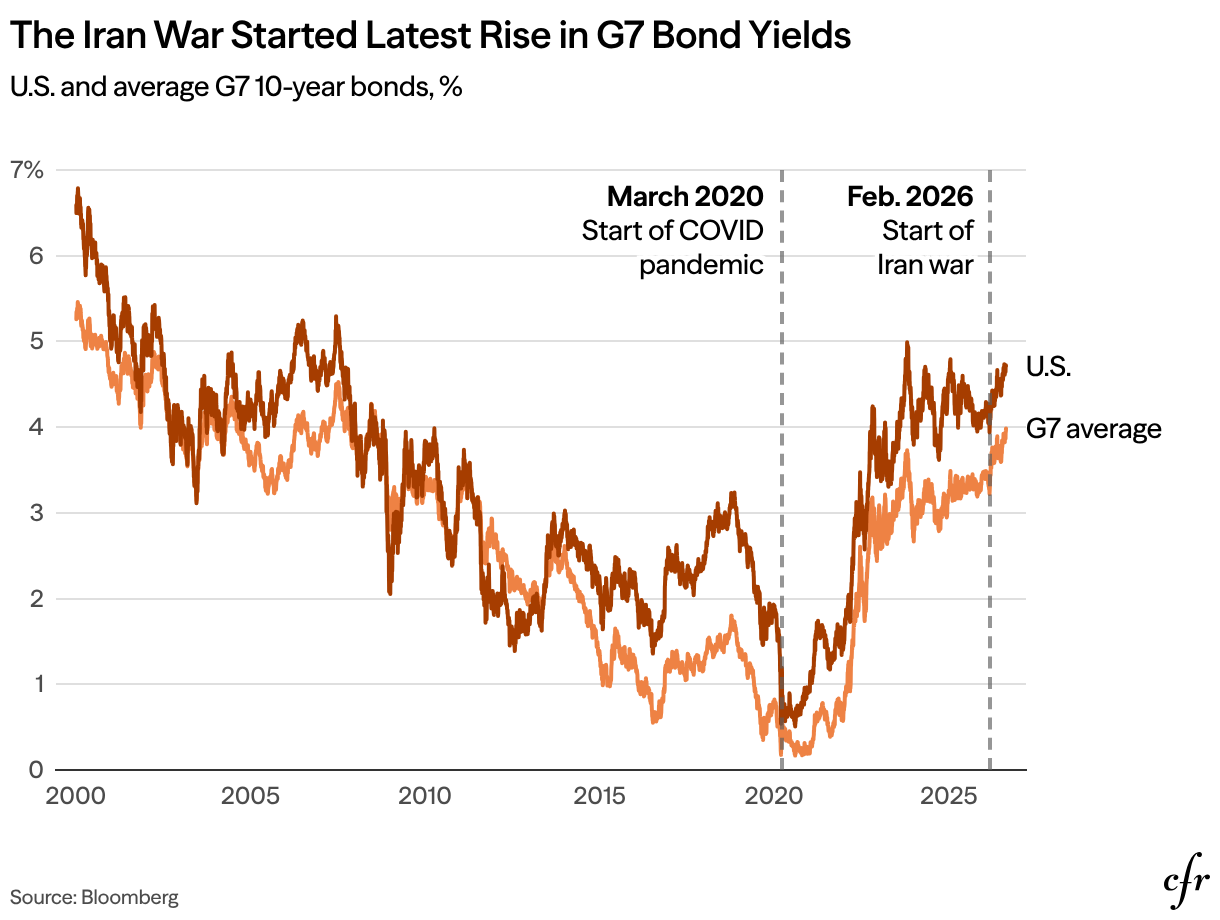
The decision by the Treasury to utilize buybacks carries profound implications for multiple tiers of the global financial ecosystem:
- Mitigating Tail Risk in the Repo Market: By ensuring a baseline level of demand and providing an active exit valve for off-the-run issues, the Treasury reduces systemic counterparty risk within the overnight repurchase agreement (repo) market.
- Optimizing Government Debt Portfolios: Active debt management allows the Treasury to smooth its maturity profile, reducing refinancing concentration risks during periods of acute macroeconomic uncertainty.
- Distorting Price Discovery: Critics argue that regularized buybacks introduce artificial price support, masking the true cost of capital and complicating risk mitigation models for institutional investors who rely on unblemished yield curves.
For corporate finance executives, the ripple effects are immediate. As the Treasury actively manages the sovereign yield curve, corporate debt issuance windows, hedging costs, and enterprise ROI calculations must be dynamically adjusted to reflect these engineered liquidity conditions.
Verified Data & Metrics Breakdown
To contextualize the scale of these interventions and their comparative impact on market metrics, the following data breakdown contrasts pre-buyback market stress indicators with post-intervention stabilization metrics.
| Market Metric / Indicator | Pre-Intervention Baseline (Q2 2024) | Post-Intervention Status (August 2026) | Strategic Impact |
|---|---|---|---|
| Treasury Market Liquidity Index | Elevated stress (St. Louis Fed Financial Stress Index higher) | Stabilized; improved depth in off-the-run segments | Reduced tail risk for primary dealers |
| Primary Dealer Inventory Capacity | Constrained by Basel III / supplementary leverage ratio rules | Optimized via scheduled buyback absorption | Enhanced balance sheet efficiency |
| Bid-Ask Spread Volatility (10-Year Benchmark) | Wider, prone to sudden liquidity gaps | Narrowed and predictable | Lowered execution costs for institutional asset managers |
| CFR / Policy Advisory Outlook | Warning of structural plumbing vulnerabilities | Calling for fiscal-monetary boundary clarity | Long-term institutional governance debate |
People Also Ask (Frequently Asked Questions)
1. What triggered the Treasury’s surprise buyback program in the bond market?
The program was catalyzed by chronic secondary market liquidity degradation, widening bid-ask spreads in off-the-run U.S. Treasuries, and mounting pressure on primary dealer balance sheets. As federal debt issuance expanded rapidly, market intermediaries struggled to absorb auctions without severe volatility, prompting the Treasury to intervene directly to restore market plumbing.
2. How do Treasury buybacks affect rising government bond yields?
By repurchasing specific outstanding debt issues—often swapping older, illiquid securities for cash or benchmark bills—the Treasury injects liquidity and alters the supply-demand balance of the yield curve. This deliberate balance-sheet management helps suppress unwarranted yield spikes driven strictly by market microstructure dysfunction rather than macroeconomic fundamentals.
3. What are the primary concerns raised by policy analysts regarding these interventions?
Institutions like the Council on Foreign Relations have highlighted risks related to price distortion and moral hazard. When fiscal authorities routinely intervene to manage secondary market yields and liquidity, it can cloud true price discovery, complicate central bank quantitative tightening mandates, and blur the traditional lines between monetary policy and fiscal management.
4. What does this mean for corporate treasurers and institutional asset allocators?
For corporate leaders, these developments mean that benchmark risk-free rates are increasingly subject to active administrative steering rather than purely organic market forces. Investment committees must factor in these structural interventions when assessing long-term capital allocation, corporate debt pricing models, and portfolio hedging strategies.
Future Outlook: What Comes Next for the Bond Market
As global financial authorities navigate an environment characterized by stubborn structural deficits and volatile macroeconomic regimes, the U.S. Treasury’s buyback mechanism has crossed the Rubicon from an experimental policy tool to a permanent fixture of modern debt management.
Key milestones and indicators to monitor over the next 12 to 18 months include:
- Treasury Borrowing Advisory Committee (TBAC) Guidance: Future quarterly refunding announcements will reveal whether the scale of buybacks will expand to accommodate larger primary deficits.
- Central Bank Coordination: Watch for potential friction or formal alignment between Federal Reserve quantitative tightening schedules and Treasury liquidity operations.
- Regulatory Adjustments: Ongoing debates surrounding capital requirements for primary dealers (such as potential modifications to the supplementary leverage ratio) will dictate whether private-sector balance sheets can reclaim their traditional role as market makers.
Ultimately, the Treasury’s buyback surprise is more than a technical adjustment in government finance; it is a symptom of a deeper transformation in how advanced economies manage sovereign debt in a complex, interconnected, and highly volatile global economy.