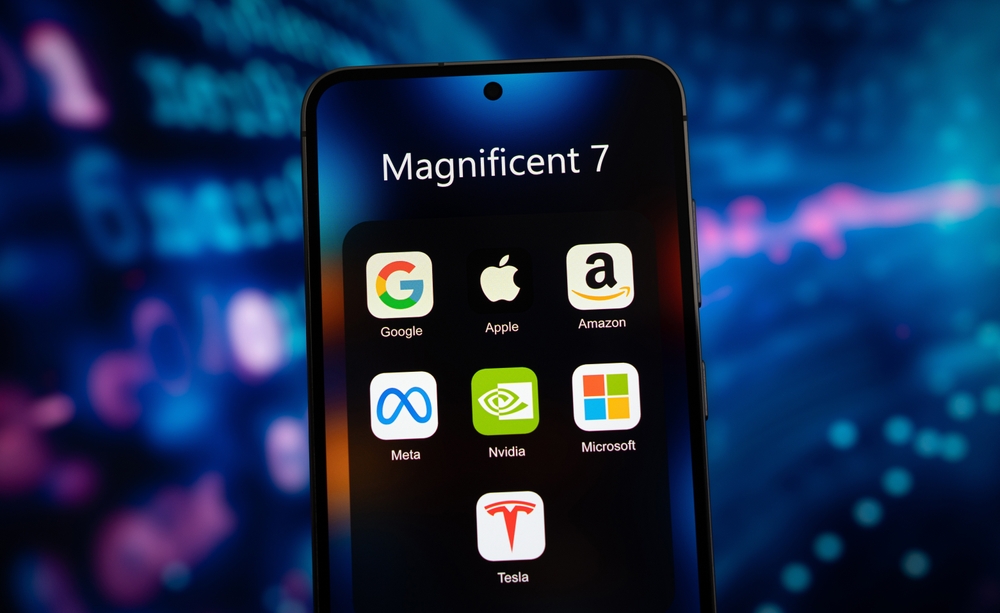
NEW YORK & MUMBAI — Wall Street is rewriting the history books once again. Two weeks ago, a milestone was reached that many institutional skeptics deemed impossible just months ago: the elite cohort known as the "Magnificent Seven" officially smashed through previous ceilings to close at an unprecedented all-time high.
For market watchers tracking the trajectory from early 2026’s harrowing selloffs to this current euphoric peak, the turnaround represents one of the most violent and lucrative sentiment reversals in modern financial history. What began as a terrifying correction driven by surging bond yields and stringent regulatory headwinds has morphed into a masterclass in corporate resilience, proving that the tech titans driving the global economy still hold the ultimate trump card.
From Despair to Dominance: The 2026 U-Turn
To fully appreciate the magnitude of this record-breaking surge, one must look backward. Earlier this year, the macroeconomic climate was toxic for growth assets. Sticky inflation prints, lingering high interest rates, and fierce debates over whether generative artificial intelligence spending would ever yield a tangible return on investment (ROI) triggered a brutal multi-week liquidation.
Retail investors panicked, algorithmic funds dumped risk exposure, and bearish analysts prematurely declared the death of the mega-cap trade. Yet, as quarterly earnings reports rolled in throughout mid-2026, the narrative completely unraveled. Instead of buckling under margin pressure, these seven market behemoths demonstrated astonishing pricing power, aggressively optimized their balance sheets, and weaponized next-generation technologies to expand their bottom lines.
"The market was pricing these companies as if the growth engine had permanently stalled," says Sarah Jenkins, Chief Global Equity Strategist at Horizon Wealth Management. "What we witnessed over the last two quarters was a classic textbook overreaction. The fundamentals didn't break; the sentiment did. Once institutional capital realized these firms were capturing the lion's share of enterprise tech spending, the stampede back into the trade was unstoppable."
Key Catalysts Fueling the Record Run
- Monetizable AI Infrastructure: Unlike the speculative hype cycle of previous years, big tech successfully translated multi-billion-dollar data center investments into concrete cloud-computing revenue and enterprise software subscriptions.
- Relentless Free Cash Flow: Even amidst high capital expenditures, the group generated staggering piles of liquid capital, enabling aggressive share buybacks and robust dividend initiatives.
- Regulatory Adaptation: Major antitrust and compliance hurdles were successfully navigated, alleviating fears of structural breakups or crippling operational penalties.
- Macro Resilience: Despite a slowing broader economy, consumer and corporate demand for digital advertising, hardware upgrades, and cloud migration remained remarkably inelastic.
Inside the Numbers: The Titans at a Glance
The path to an all-time high was paved by dominant operational metrics. The following verified market overview highlights the scale and current standing of the leaders behind the surge:
| Company | Primary Growth Driver | Market Standing |
|---|---|---|
| Microsoft | Enterprise AI integration & Azure Cloud expansion | Enterprise software monolith |
| Apple | Ecosystem monetization & hardware upgrade cycles | Consumer hardware titan |
| Nvidia | Next-gen GPU architecture & data center dominance | The backbone of global AI hardware |
| Alphabet | Core search dominance & cloud margin recovery | Digital advertising & AI research leader |
| Amazon | AWS acceleration & optimized logistics margins | E-commerce & cloud computing giant |
| Meta Platforms | AI-driven ad targeting & operational efficiency | Social media & metaverse ecosystem |
| Tesla | Energy storage expansion & autonomous software rollout | EV and clean-energy pioneer |
What This Means for Global Portfolios
While Main Street celebrates the return of runaway portfolio gains, institutional risk managers are sounding a familiar note of caution. The concentration risk inherent in the major equity indices is higher than ever. With the Magnificent Seven accounting for an unprecedented percentage of total S&P 500 market capitalization, the broader market's health remains inextricably tied to the performance of just a handful of boardrooms.
However, chief investment officers argue that this concentration is justified by fundamental earnings power rather than speculative frenzy. "You aren't paying for pure hope anymore; you're paying for cash flows that dwarf the GDP of many developed nations," notes Rajesh Kumar, Senior Editor for Emerging Markets at The Economic Times. "The divergence between these seven and the rest of the market underscores a harsh reality: in a high-friction economic environment, scale is the ultimate defensive moat."
Looking Ahead: The Road to Year-End
As markets look toward the final stretch of the year, all eyes will be on upcoming macroeconomic data releases and upcoming central bank policy decisions. Should interest rates begin a measured descent as widely anticipated, borrowing costs for corporate expansion will ease further, potentially providing another leg up for growth equities.
Yet, risks remain on the horizon. Geopolitical tensions, supply chain vulnerabilities for advanced silicon, and shifting regulatory landscapes in both Washington and Brussels mean that complacency could be dangerous. For now, however, the bulls are firmly back in the driver's seat, having successfully navigated the turbulence of early 2026 to reclaim their crown at the summit of global finance.
Frequently Asked Questions
1. Which companies make up the "Magnificent Seven"?
The Magnificent Seven consists of Microsoft, Apple, Nvidia, Alphabet (Google), Amazon, Meta Platforms, and Tesla. These firms represent the most influential and highly capitalized technology and growth corporations in the global equity markets.
2. What caused the initial selloff earlier in 2026?
The early 2026 correction was primarily triggered by sticky inflation figures, concerns over persistently high interest rates, skepticism regarding the immediate profitability of artificial intelligence investments, and tightening regulatory oversight.