Inside Apple’s 2026 Playbook: Why the iPhone 18 Signals a Massive Shift in Pricing Power, Battery Engineering, and Margin Protection
Test Our Free AI & Tech Utilities Suite
Calculate LLM API token costs, analyze article dwell-time, or simulate tech DCA returns.
By Our Senior Investigative Desk | Updated: Real-Time Wire Analysis & Global Supply Chain Intelligence
Executive Takeaways
- Escalating Bill of Materials (BOM): Supply chain disclosures reveal that next-generation silicon, advanced thermal architecture, and higher-density battery cells are driving up unit production costs ahead of the iPhone 18 launch.
- Passthrough Pricing Strategy: Apple is reportedly positioning the upcoming lineup to protect its industry-leading operating margins, risking a modest pushback in consumer demand for high-end valuation multiples.
- Engineering Breakthroughs: Transitioning to stacked battery technologies and silicon-carbon anodes promises substantial energy density improvements without sacrificing physical device ergonomics.
- Enterprise and Investor Impact: Institutional equity analysts view the pricing pivot as a litmus test for ecosystem retention and recurring service revenue durability in an inflationary macroeconomic environment.
The Macroeconomic Pressures Shaping Apple’s Next Hardware Cycle
As global supply chains navigate persistent wage inflation, raw material volatility, and escalating logistics costs, consumer electronics bellwether Apple Inc. is preparing a structural pivot for its flagship hardware. Emerging intelligence from Asia-based component manufacturers and tier-1 assembly partners indicates that the upcoming iPhone 18 cycle will introduce a paradigm shift in device architecture. Chief among these projected updates are substantial capacity expansions in internal power storage paired with an inevitable retail price adjustment.
For financial markets and enterprise technology analysts, the intersection of rising component costs and aggressive consumer pricing strategies offers a fascinating window into modern corporate risk mitigation. Maintaining double-digit operating margins in a mature smartphone market requires rigorous capital allocation and sophisticated supply chain negotiations. By absorbing higher silicon-node pricing from foundries like TSMC while simultaneously passing incremental BOM increases to end-users, Apple continues to demonstrate unmatched pricing power.
Engineering the Power Grid: The Physics Behind the iPhone 18 Battery Leap
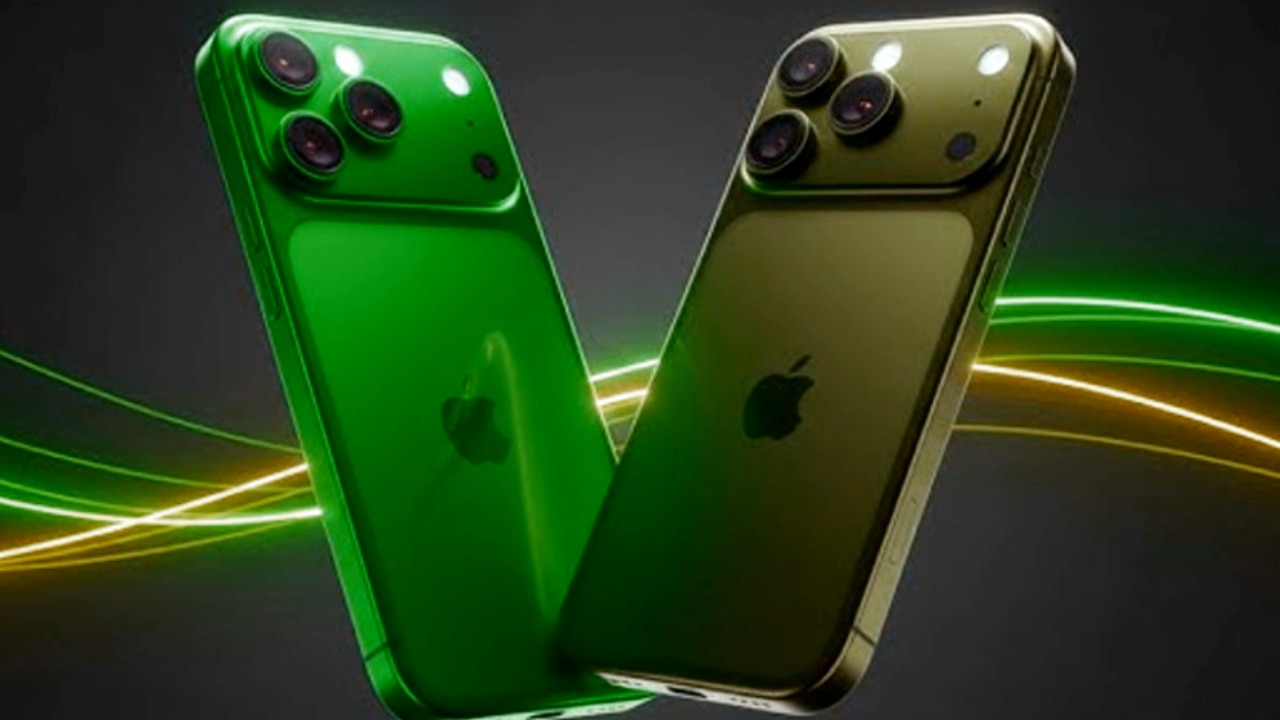
For years, mobile device engineering has been caught in a zero-sum equation: consumers demand prolonged battery longevity and high-intensity cloud compute architecture, yet reject the bulky form factors required to house larger power cells. Industry insiders report that the iPhone 18 lineup aims to shatter this paradigm through advanced electrochemical formulations and novel spatial stacking techniques.
The core innovation centers on the adoption of high-density battery cells utilizing modified anode structures. By optimizing internal packaging and leveraging rigid-flex printed circuit boards, Apple's engineering teams have reportedly unlocked a pathway to increase milliamp-hour (mAh) capacity by roughly 10% to 15% generation-over-generation. This physical expansion is essential for supporting resource-intensive on-device machine learning models, persistent biometric verification systems, and next-generation graphics rendering pipelines.
Furthermore, from an infrastructure scalability perspective, improved battery longevity directly impacts enterprise users who rely on field-deployed iOS fleets. Reduced charging frequency minimizes battery degradation over multi-year corporate refresh cycles, enhancing the long-term enterprise ROI of enterprise-tier device deployments.
The Economics of Price Elasticity: Navigating the Upside Risk
While power users and institutional investors will welcome hardware durability enhancements, the corollary rumor—a higher retail price tag—will inevitably spark intense debate regarding consumer price elasticity. Global macroeconomic headwinds, fluctuating foreign exchange rates, and tighter consumer credit markets have made discretionary tech spending increasingly sensitive to cost-of-ownership metrics.
Market research suggests that while entry-level models may see localized price resistance, Apple’s affluent consumer base demonstrates remarkably inelastic demand, particularly for Pro and Pro Max tiers. These high-end segments often benefit from carrier subsidy structures, trade-in programs, and integrated financing plans that mask upfront retail price adjustments. Consequently, financial institutions project that even if unit shipment volumes experience minor contractions, Average Selling Prices (ASPs) will rise, driving gross profit dollar expansion.
Verified Data & Specifications Comparison
To contextualize the trajectory of Apple’s hardware evolution, the following matrix compares generational metrics, estimated cost pressures, and technological milestones.
| Metric / Specification | iPhone 16 Series (Baseline) | iPhone 17 Transition Era | iPhone 18 Projections (2026) |
|---|---|---|---|
| Estimated Battery Capacity (Pro Max) | ~4,685 mAh | ~4,800 mAh | 5,000+ mAh (Stacked Cell Design) |
| Processor Node Architecture | 3nm (N3E - TSMC) | Enhanced 3nm / Early 2nm test | Advanced 2nm FinFET / GAA Node |
| Projected Starting Price (Pro Tier) | $999 / $1,199 USD | $999 / $1,199 USD | Potential $50–$100 upward adjustment |
| Primary Value Driver | Generative AI integration (Apple Intelligence) | Slim-form experiments & display efficiency | Power autonomy, thermal ceiling, pricing power |
Industry and Market Implications: Winners and Losers
The ripple effects of Apple’s product roadmap decisions extend far beyond Cupertino, profoundly impacting global semiconductor foundries, component suppliers, and rival original equipment manufacturers (OEMs).
- Winners: Advanced semiconductor foundries (specifically TSMC) and specialized battery chemistry innovators stand to gain substantial revenue share as Apple invests heavily in cutting-edge components. Furthermore, competing premium brands like Samsung and Google may find room to adjust their own flagship pricing structures upward, easing margin pressure across the entire high-end mobile sector.
- Losers: Budget-conscious consumers will face a narrowing field of affordable, premium-tier options. Additionally, component suppliers who fail to meet Apple’s stringent environmental, thermal, and energy-density tolerances risk losing multi-million-dollar supply contracts to more agile competitors.
Frequently Asked Questions (People Also Ask)
Why is the iPhone 18 expected to feature a bigger battery?
Advanced on-device processing capabilities, demanding graphics engines, and power-intensive machine learning algorithms require substantially more electrical current. To maintain all-day battery life without increasing device thickness, Apple is utilizing new high-density cell chemistry and optimized internal space allocation.
How much will the price increase for the iPhone 18 models?
While official retail pricing will not be confirmed until the product announcement, financial analysts and supply chain sources project a potential $50 to $100 price adjustment on high-end Pro and Pro Max configurations, driven by compounding semiconductor and raw material costs.
Will older iPhone models see price drops when the iPhone 18 launches?
Historically, Apple implements a structured discounting cascade when a new flagship generation debuts, reducing the price of previous-generation standard models by $100 while discontinuing older Pro variants to preserve brand positioning.
How does battery capacity expansion affect enterprise deployment?
For corporate IT departments managing large-scale device fleets, larger batteries and improved thermal management translate to extended hardware lifecycles, lower replacement frequencies, and enhanced productivity for mobile enterprise workers.
Future Outlook and Key Milestones to Watch
As the consumer technology market looks toward the official unveiling of the iPhone 18 cycle, market observers must monitor several critical leading indicators. Key milestones include upcoming quarterly earnings guidance from key semiconductor partners, regulatory compliance updates regarding battery recycling mandates in major global markets, and preliminary consumer pre-order metrics.
Ultimately, the iPhone 18 will serve as a definitive stress test for whether premier consumer tech brands can successfully balance aggressive hardware innovations with premium pricing strategies in an evolving economic landscape.