PENTAGON ALARM: Inspector General Confirms U.S. Munitions Shortfalls Amid Iran Conflict, Exposing Severe Supply-Chain Bottlenecks
A scathing new report from the Pentagon’s Inspector General has confirmed what defense insiders have feared for months: the escalating, multi-front conflict involving Iran and its regional proxies has severely depleted United States munitions stockpiles. The landmark audit warns that prolonged naval engagements in the Red Sea, combined with sustained deterrence operations across the Middle East, have consumed precision-guided munitions at an unsustainable rate, leaving the U.S. military strategically vulnerable.
Crucially, the Inspector General’s report highlights a systemic bottleneck in the defense resupply chain. Despite aggressive policy directives from Donald Trump during his presidency to revitalize the American defense industrial base and streamline defense procurement, deeply entrenched structural inefficiencies, labor shortages, and raw material deficits continue to paralyze rapid manufacturing replenishment. The revelation raises urgent questions about the U.S. military’s readiness to handle a simultaneous, high-intensity conflict in the Indo-Pacific or Eastern Europe.
Inside the Inspector General’s Findings: A Systemic Crisis of Attrition
The Department of Defense Office of Inspector General (DoD OIG) report paints a grim picture of a military industrial complex designed for peacetime efficiency rather than wartime attrition. For over a year, U.S. naval forces and air assets have been actively intercepting Iranian-designed drones, cruise missiles, and ballistic missiles launched by Houthi rebels in Yemen and other Tehran-backed militias in Iraq and Syria.
While these defensive operations have successfully protected commercial shipping lanes and coalition bases, the cost-to-benefit ratio has proven highly unfavorable for Washington. The U.S. has routinely fired multi-million-dollar interceptors to neutralize cheap, mass-produced Iranian kamikaze drones. The Inspector General confirmed that this operational tempo has outpaced domestic production capabilities for several critical weapon systems.
Executive Summary of Key Vulnerabilities
- Critical Depletion of Key Interceptors: Stockpiles of Standard Missile-2 (SM-2), Standard Missile-6 (SM-6), and Patriot PAC-3 interceptors have fallen below established strategic reserve levels.
- The Resupply Bottleneck: Lead times for replacing expended precision-guided munitions (PGMs) have stretched to an average of 18 to 24 months, driven by shortages in rocket motors, advanced microelectronics, and specialized propellants.
- The Policy Disconnect: Despite historical political mandates—including Donald Trump’s executive orders aimed at onshore manufacturing and reducing foreign supply chain dependencies—the U.S. remains heavily reliant on global suppliers for chemical precursors and rare earth elements necessary for explosives.
- Fiscal Strain: The rapid expenditure of high-end munitions has forced the Pentagon to seek emergency supplemental funding, disrupting planned long-term modernization efforts.
The Anatomy of the Bottleneck: Why America Can't Rebuild Fast Enough
At the heart of the crisis is the consolidation of the U.S. defense sector over the last three decades. Following the end of the Cold War, the defense industrial base shrank from dozens of major prime contractors to just a handful of massive conglomerates. While this consolidation reduced overhead, it eliminated redundant manufacturing capacity, leaving no surge capacity to handle a sudden spike in demand.
The Inspector General’s report specifically notes that the manufacturing lines for crucial air-defense and anti-ship missiles are operating at maximum capacity but are constrained by a shortage of skilled labor, specialized machine tools, and sub-tier supplier delays. For example, a single delay in the delivery of a solid rocket motor from a sub-tier contractor can halt the entire assembly line of a critical missile system for months.
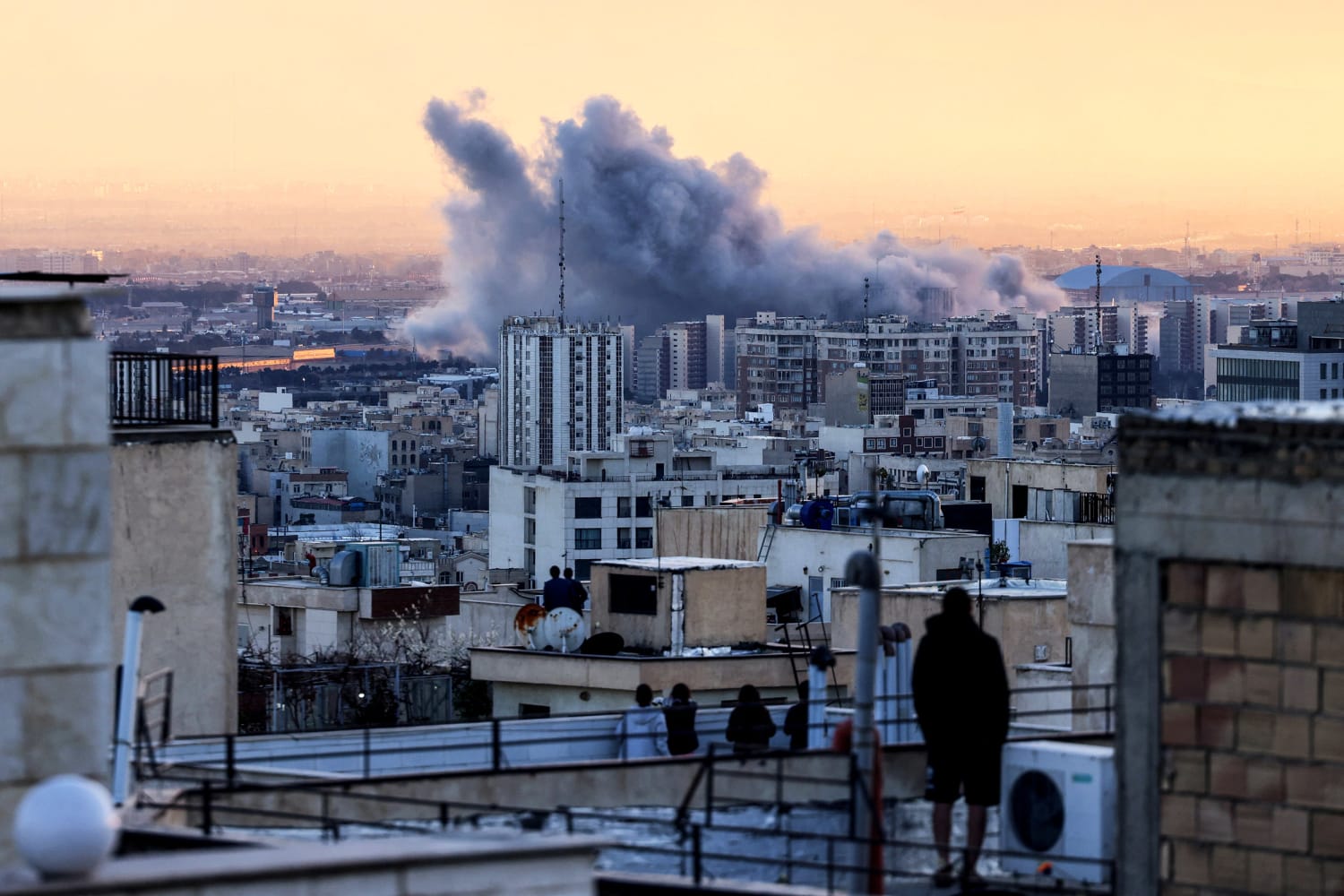
Furthermore, the geopolitical realities of the "Iran war"—which has morphed into a sustained war of attrition—have exposed the fragility of just-in-time logistics. The Pentagon is learning that defending global shipping lanes requires a depth of inventory that the current defense industrial base is simply not equipped to rapidly replenish.
Quantifying the Crisis: U.S. Munitions Health Status
The following table, compiled from unclassified data within the Inspector General’s report and industry analysis, outlines the current status, estimated depletion levels, and estimated replenishment timelines for the weapon systems under the greatest operational strain:
| Weapon System / Munition | Primary Operational Use | Estimated Depletion Status | Current Replenishment Lead Time |
|---|---|---|---|
| Standard Missile-2 / 6 (SM-2 / SM-6) | Naval Air Defense & Ship Protection | Critical (Below Strategic Threshold) | 20 – 26 Months |
| Patriot Interceptors (PAC-3) | Theater Ballistic Missile Defense | Moderate-to-High Strain | 18 – 22 Months |
| Joint Direct Attack Munitions (JDAM) | Precision Air-to-Ground Strikes | Moderate | 12 – 15 Months |
| Tomahawk Land Attack Missiles (TLAM) | Long-Range Precision Strikes | High Strain | 18 – 24 Months |
Geopolitical and Economic Implications
The financial and strategic consequences of this shortfall are already reverberating through Wall Street and global defense ministries. Major defense prime contractors, including Lockheed Martin, RTX (formerly Raytheon), and Boeing, are facing immense pressure from the Pentagon to accelerate production. However, executives from these firms have repeatedly cautioned that scaling up production cannot happen overnight, citing a tight labor market and long lead times for raw materials.
For investors, this crisis signals a prolonged period of elevated defense spending, but also highlights the operational risks of supply chain blockages. Congress is expected to push for aggressive legislation in the upcoming National Defense Authorization Act (NDAA) to mandate larger stockpiles, fund factory expansions, and potentially invoke the Defense Production Act to prioritize military orders over commercial manufacturing.
Strategically, Washington’s adversaries are watching closely. Defense analysts warn that China and Russia may view the U.S. munitions deficit as a window of vulnerability. If the United States must deplete its stockpiles to contain Iranian influence in the Middle East, its capacity to deter a potential conflict over Taiwan or continue supporting allies in Europe is severely compromised. The Pentagon now faces a delicate balancing act: maintaining immediate deterrence in the Middle East without bankrupting its long-term strategic readiness.
Frequently Asked Questions (FAQ)
1. Why did the conflict with Iran trigger a U.S. munitions shortage?
The conflict has involved highly active, continuous defensive operations where U.S. naval and air forces have intercepted hundreds of drones and missiles launched by Iranian-backed forces. Because these operations rely on highly advanced, expensive interceptor missiles that take years to manufacture, the rapid rate of consumption has outpaced the defense industry’s ability to replace them.
2. What is preventing the U.S. from quickly manufacturing more ammunition?
The defense industrial base suffers from consolidation, labor shortages, and a lack of manufacturing surge capacity. Key bottlenecks include long lead times for rocket motors, advanced microelectronics, and chemical propellants, alongside a heavy reliance on global supply chains for rare earth elements and raw materials.