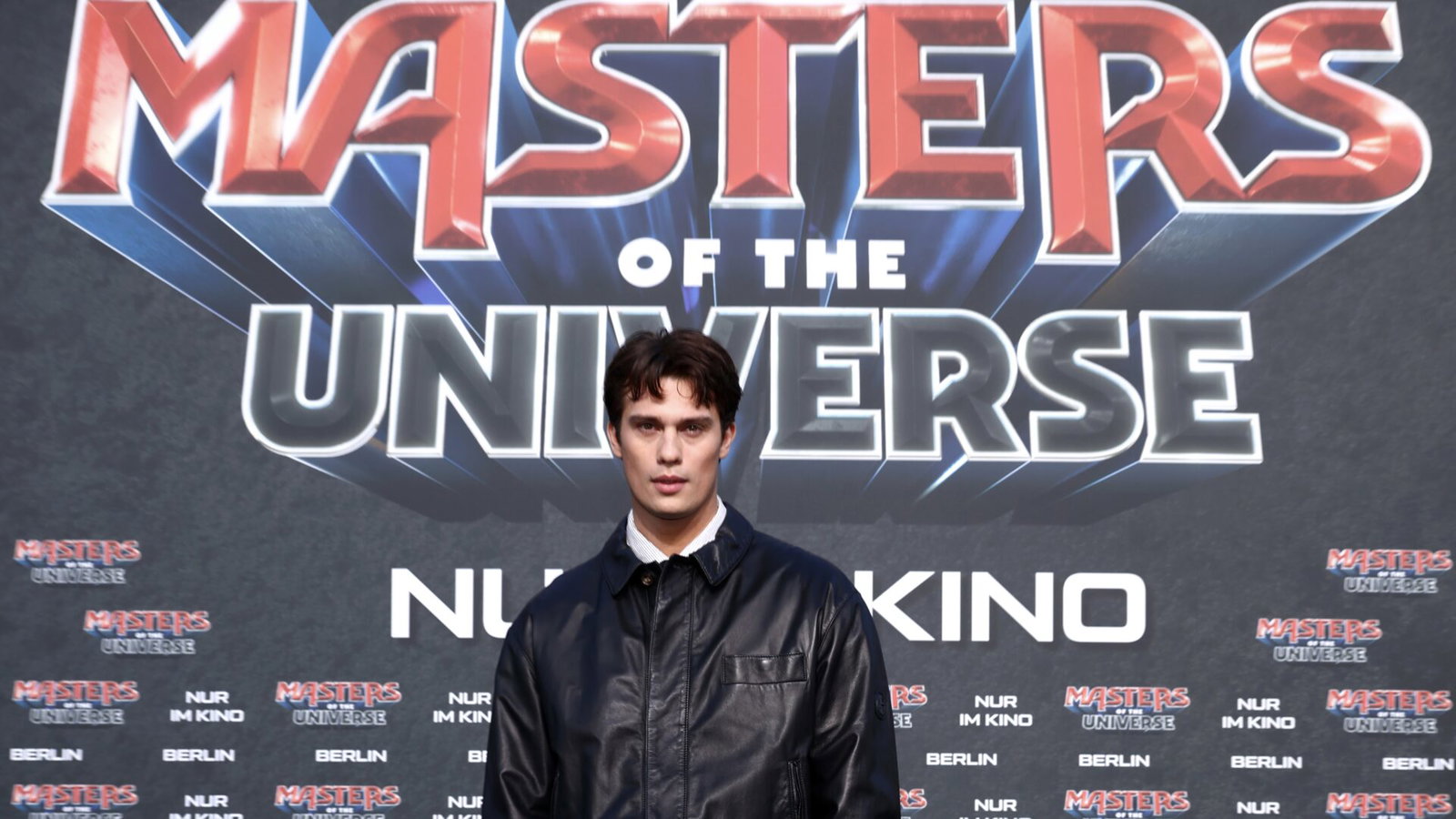
LOS ANGELES — In the ruthless ecosystem of modern Hollywood, a theatrical box office miss is typically a death sentence. For decades, traditional studio economics dictated that a misfired opening weekend meant immediate relegation to the budget bin, canceled sequels, and a quiet burial in the corporate vault. But the entertainment landscape has fundamentally re-engineered itself, and the resurrection of Mattel’s prized intellectual property, Masters of the Universe, is quickly becoming the ultimate case study in modern media turnaround.
According to comprehensive industry tracking and reports from entertainment data analysts at Movieguide, He-Man and the forces of Eternia have successfully defied conventional industry gravity. After stumbling out of the gate in theaters—failing to capture the elusive multi-quadrant theatrical audience required to justify its massive production and marketing overhead—the franchise has achieved a stunning second act. By pivoting aggressively to the direct-to-consumer digital ecosystem, the property has not only recouped its financial dignity but has emerged as a premier streaming juggernaut, rewriting the playbook on how studios salvage high-stakes franchise assets.
The Anatomy of a Box Office Miscalculation
To understand the magnitude of the current streaming triumph, industry experts note that one must first examine the theatrical misfire. When major studios greenlight properties born from nostalgia-heavy, multi-billion-dollar toy lines, the pressure to deliver an immediate, four-quadrant blockbuster is immense. High production budgets, heavily front-loaded marketing campaigns, and fierce competition during peak release windows leave little margin for error.
For Masters of the Universe, the initial theatrical run collided with a rapidly shifting consumer base. While older millennials and Gen-X enthusiasts turned out with deep-seated childhood nostalgia, the elusive under-25 demographic proved difficult to convert without a pre-existing cultural hook. The result was a stark box office underperformance that sent shockwaves through boardrooms in Los Angeles and New York alike.
- Initial Theatrical Stumble: High production and distribution costs collided with lukewarm opening weekend returns, labeling the project an early box office disappointment.
- The Nostalgia Factor: While traditional ticket buyers stayed away in droves, the core demographic of 1980s toy collectors remained deeply engaged, signaling untapped potential.
- The Pivot Point: Studio executives recognized that modern audiences—increasingly conditioned by streaming convenience—were waiting for domestic release windows rather than rushing to multiplexes.
- Data-Driven Resurgence: Once liberated on subscription video-on-demand (SVOD) platforms, viewer engagement metrics exploded, proving that the medium, not the message, was the primary issue.
Decoding the Streaming Phenomenon

What changed once the property migrated from the silver screen to home displays? According to digital distribution experts, consumer behavior has evolved past the traditional "flop" paradigm. A movie that misses in theaters can still possess immense value as a high-retention streaming asset, driving platform subscriptions, merchandise sales, and digital engagement.
Data highlights from Movieguide indicate that once Masters of the Universe landed on streaming servers, completion rates and watch-time metrics soared. Freed from the friction of ticket prices and theater parking, casual viewers and families sampled the content en masse. Word-of-mouth algorithms kicked in, turning what was written off as a theatrical casualty into a trending cultural conversation across social media channels.
| Metric | Theatrical Run | Streaming Era |
|---|---|---|
| Audience Accessibility | Restricted by ticket costs, showtimes, and geographic location | Frictionless global access via subscription services |
| Financial Impact | Immediate deficit against heavy upfront marketing costs | Long-tail revenue generation, subscriber retention, and merchandise lift |
| Viewer Engagement | One-and-done ticket purchases | High repeat-viewing rates and viral social media traction |
Wall Street and Studio Strategy: The New Hollywood Math
For financial analysts tracking media conglomerates, this turnaround underscores a broader macroeconomic shift in Hollywood. Intellectual property is no longer judged solely by its weekend box office gross. Instead, media giants evaluate assets through an omnichannel lens that accounts for streaming hours, global licensing, consumer products, and ecosystem lock-in.
Mattel and its studio partners have masterfully capitalized on this reality. By nurturing the digital audience, the studio has reignited global demand for action figures, apparel, and digital extensions. The streaming success acts as a 24/7 commercial, validating the underlying strength of the brand despite its rocky theatrical beginning.
Future Outlook: What This Means for Eternia and Beyond
As Hollywood looks toward the horizon, the lesson of Masters of the Universe will heavily influence greenlight decisions across the major studios. Executives are increasingly willing to absorb initial theatrical setbacks if the underlying IP possesses robust long-tail monetization potential in the streaming space.
Industry insiders suggest that future installments, spin-offs, and expanded universe projects are already being recalibrated with a digital-first hybrid mindset. By acknowledging that modern audiences consume content on their own terms, creators are finding new ways to ensure that beloved heroes like He-Man continue to conquer new frontiers—proving that in the streaming age, a box office flop is no longer the end of the story, but merely chapter two.
Frequently Asked Questions
Did Masters of the Universe actually fail at the box office?
Yes, its initial theatrical run failed to meet the high financial expectations set by the studio, falling short of covering its extensive production and marketing budgets through ticket sales alone.
How did the property turn things around?
Upon transitioning to streaming platforms, the project found a massive, highly engaged audience. Favorable algorithms, word-of-mouth promotion, and the elimination of theatrical viewing barriers drove up watch-time metrics and revitalized merchandise sales.