Executive Takeaways
- The Avoided Reckoning: Meta has opted for a confidential settlement, successfully sidestepping a high-stakes jury trial that threatened to expose internal algorithmic engineering and product design metrics.
- Risk Mitigation Strategy: By cutting off the trial, executive leadership protected the firm from catastrophic legal precedents and severe valuation multiples compression associated with continuous public liability trials.
- Industry-Wide Shockwaves: The resolution shifts the battleground for remaining tech giants facing similar multidistrict litigation (MDL), altering capital allocation models for future legal defense and regulatory compliance.
- Unresolved Regulatory Exposure: While avoiding immediate courtroom liability, Meta still faces mounting scrutiny from state attorneys general, federal oversight committees, and international data protection authorities.
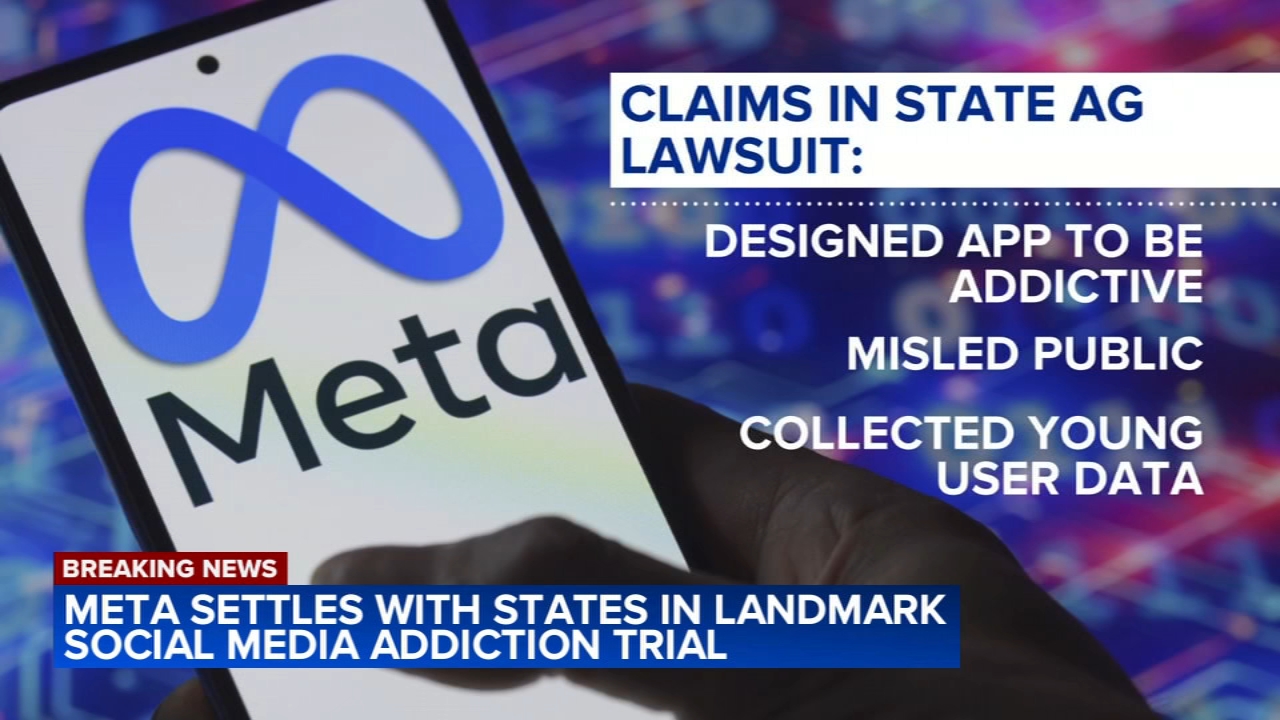
NEW YORK — In a defining moment for Silicon Valley and the digital economy, Meta Platforms has successfully negotiated a confidential settlement to resolve a pivotal social media addiction lawsuit, effectively pulling back from the precipice of a brutal, high-visibility jury trial. The resolution halts what legal analysts and institutional investors anticipated would be a watershed courtroom confrontation regarding the psychological architecture underpinning modern social networking applications.
For months, Wall Street analysts, tech equity researchers, and risk mitigation specialists had modeled the potential fallout of the trial. The case centered on allegations that Meta’s flagship platforms—Instagram and Facebook—were intentionally engineered with behavioral loops, variable reward schedules, and infinite scroll mechanics designed to exploit adolescent dopamine pathways. By securing a settlement before opening statements could establish damaging public precedents, Meta’s executive leadership prioritized immediate risk containment over prolonged legal combat.
The Anatomy of the Settlement: Defusing a Systemic Legal Threat
Test Our Free AI & Tech Utilities Suite
Calculate LLM API token costs, analyze article dwell-time, or simulate tech DCA returns.
The lawsuit was part of a sprawling web of multidistrict litigation (MDL) consolidating hundreds of individual actions, school district claims, and parental lawsuits filed across federal and state courts. Plaintiffs alleged that Meta’s product infrastructure scalability relied directly on maximizing user engagement time at the expense of adolescent mental health, contributing to rising rates of anxiety, depression, and self-harm.
From a capital allocation and corporate governance perspective, proceeding to trial represented an asymmetric risk for Meta. Discovery phases had already forced the unsealing of internal communications, algorithmic testing logs, and executive emails detailing debates over teen safety features and platform monetization. A public trial would have placed these proprietary insights into the public domain, potentially fueling subsequent class-action expansions and inviting aggressive regulatory crackdowns from the Federal Trade Commission (FTC) and the European Commission.
By opting for a settlement, Meta effectively caps its near-term financial liability, even though the exact monetary terms remain sealed under confidentiality agreements. Crucially, the move protects the company's valuation multiples from the erratic sentiment swings typically triggered by daily courtroom bombshells and hostile media coverage.
Financial, Operational, and Market Implications

The resolution reverberates far beyond Meta’s Menlo Park headquarters, sending immediate signals across the broader digital media and enterprise tech ecosystems:
- Valuation Multiples and Investor Sentiment: Institutional equity holders greeted the settlement with cautious relief. Prolonged litigation introduces earnings volatility and complicates forward-looking discounted cash flow (DCF) models. Removing the immediate trial overhang restores a degree of predictability to Meta’s risk profile.
- Product Architecture and Engineering Overhauls: Although avoiding formal court-mandated remedies for now, Meta has already quietly rolled out enhanced parental controls, stricter default privacy settings for minors, and subtle modifications to notification frequencies. These shifts reflect a broader enterprise pivot toward proactive trust and safety compliance.
- Precedent for Co-Defendants: Alphabet (YouTube), ByteDance (TikTok), and Snap—all co-named in parallel addiction and product liability actions—must now recalibrate their own litigation strategies. With Meta exiting the courtroom, remaining defendants face heightened pressure to determine whether to mount independent defenses or pursue similar settlement pathways.
| Litigation Dimension | Meta’s Pre-Settlement Exposure | Post-Settlement Reality |
|---|---|---|
| Trial Visibility | High public scrutiny, daily media feeds of internal documents. | Contained; internal communications protected from open-court exposure. |
| Financial Impact | Potential for multi-billion dollar punitive damages verdicts. | Pre-determined financial outlay absorbed via corporate reserves. |
| Regulatory Fallout | Imminent federal and state legislative retaliation. | Persistent background lobbying, but reduced catalyst for immediate bills. |
| Market Liquidity & Equity Response | Heightened volatility and compression in valuation multiples. | Stabilization of risk-adjusted return profiles for institutional investors. |
Frequently Asked Questions (People Also Ask)
Why did Meta choose to settle rather than go to trial?
Meta’s decision to settle was rooted in comprehensive risk mitigation. A public trial would have exposed proprietary algorithmic models, internal safety research, and executive communications to intense public scrutiny, opening the door to catastrophic punitive damages and severe reputational damage that could depress long-term equity valuations.
What does this settlement mean for other tech companies facing similar lawsuits?
The resolution isolates Meta from immediate courtroom exposure but increases pressure on remaining defendants like ByteDance, Alphabet, and Snap. These firms must now reassess their own litigation risk models, as plaintiffs’ attorneys secure validation and financial resources from early settlements to fund subsequent actions.
Were the exact financial terms of the settlement disclosed?
No. The settlement terms, including the total monetary payout and specific structural concessions, remain strictly confidential under agreements negotiated between Meta and the plaintiffs’ legal steering committee.
Does this settlement end all regulatory investigations into Meta regarding teen safety?
No. While this resolves private civil litigation and multidistrict tort claims from individuals and school districts, Meta remains subject to ongoing oversight, investigations, and potential enforcement actions by state attorneys general and federal regulatory bodies.
Future Outlook: Navigating the Next Wave of Tech Accountability
As the dust settles on Meta’s strategic legal maneuver, industry observers are turning their focus toward the structural horizon. The tech sector has officially transitioned from an era of unchecked digital expansion into a highly regulated operational environment where social utility is routinely weighed against psychological externalities.
For Meta, the immediate priority shifts back to core revenue generation, artificial intelligence capital expenditure, and ad-tech infrastructure scalability. However, management can ill afford complacency. The legal playbook established by plaintiffs in these addiction cases has demonstrated that product design choices are legally actionable. Moving forward, engineering teams across Silicon Valley will be forced to embed compliance, age-verification protocols, and ethical design reviews directly into their software development life cycles (SDLC), ensuring that risk mitigation begins at the code level rather than the courtroom door.