Executive Takeaways
- Risk Mitigation Strategy: Meta’s decision to settle avoids a public, high-profile jury trial that could have exposed internal algorithmic mechanics and corporate communications regarding youth mental health.
- Financial and Valuation Impact: While the financial terms of the settlement temporarily stabilize near-term risk profiles, it sets a formidable legal precedent that could influence valuation multiples across the entire social media sector.
- Regulatory Crossroads: The resolution shifts the battleground from civil courtrooms to federal and state legislative bodies, intensifying pressure on infrastructure scalability, content moderation, and regulatory compliance.
- Enterprise Pivot: Big Tech capital allocation is visibly shifting toward proactive compliance frameworks, enhanced safety architectures, and risk mitigation strategies to insulate against future systemic litigation.
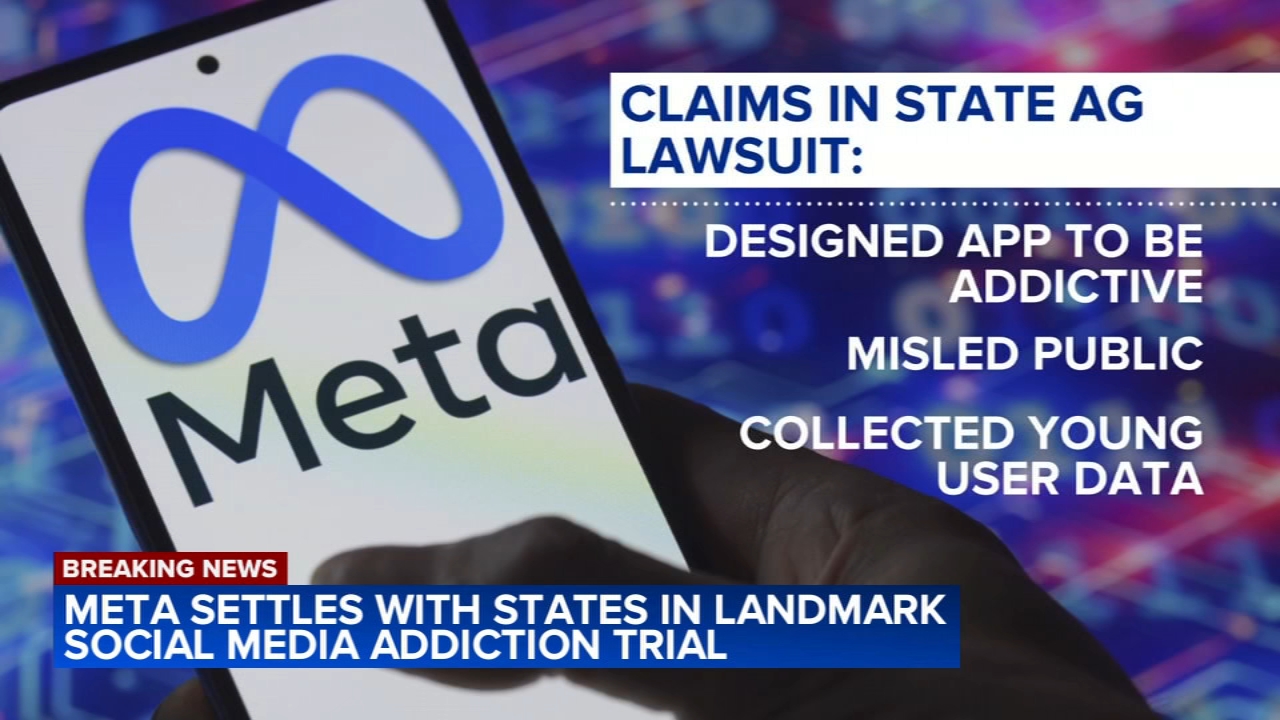
In a watershed moment for the technology sector, Meta Platforms Inc. has elected to settle a high-stakes social media addiction lawsuit, effectively sidestepping what promised to be a bruising, multi-week jury trial. For months, legal analysts, institutional investors, and regulatory bodies have monitored the docket, anticipating a courtroom showdown that could have permanently altered the legal immunities underpinning the modern internet. By securing a settlement, Meta has chosen to contain immediate legal exposure, yet the broader macroeconomic and structural ramifications for Silicon Valley are only just beginning to unfold.
This investigative report breaks down the catalytic events leading up to the settlement, evaluates the financial and operational fallout for institutional stakeholders, and analyzes what this legal turning point means for the future of digital engagement architectures, capital allocation, and regulatory compliance worldwide.
Background and Catalytic Events: The Road to the Courthouse
Test Our Free AI & Tech Utilities Suite
Calculate LLM API token costs, analyze article dwell-time, or simulate tech DCA returns.
The roots of this landmark litigation extend far beyond a single civil complaint. For years, public health advocates, school districts, and state attorneys general have amassed an unprecedented volume of internal documents, whistleblower testimonies, and academic studies pointing toward the design mechanics of engagement-driven platforms. Plaintiffs argued that Meta’s core algorithmic engines—specifically engineered to maximize user retention and session length—inflicted severe psychological harm on underage users, contributing to a documented surge in anxiety, depression, and addictive behaviors.
At the center of the dispute were foundational questions regarding corporate liability and user safety. Plaintiffs sought to pierce the traditional liability shields that tech platforms have long relied upon, asserting that features such as infinite scroll, algorithmic feeds, and push notifications constituted defective product design rather than mere protected speech. As the discovery phase progressed, court filings revealed internal deliberations among Meta executives concerning youth usage metrics, triggering intense scrutiny from financial markets and ratings agencies.
Faced with the prospect of internal leadership depositions, damning trial exhibits broadcast across global news outlets, and the unpredictability of a jury verdict, Meta’s legal strategists orchestrated a pivot. By negotiating a settlement before opening arguments commenced, the company executed a classic corporate risk mitigation maneuver, prioritizing short-term valuation stability and the containment of reputational contagion over a public vindication.
Verified Data and Metrics Breakdown

To fully grasp the magnitude of Meta’s legal containment strategy, it is essential to examine the underlying financial, operational, and regulatory metrics defining the current digital landscape:
| Metric / Parameter | Pre-Settlement Context | Post-Settlement Outlook |
|---|---|---|
| Legal Risk Premium | Elevated due to impending multi-jurisdictional trial exposure | Temporarily compressed; immediate catastrophic downside removed |
| Capital Allocation Focus | Aggressive defense litigation and PR management | Shift toward compliance infrastructure and safety R&D |
| Valuation Multiples | Subject to systematic regulatory discount | Stabilizing, though long-term compliance costs remain priced in |
| Regulatory Trajectory | Unpredictable judicial precedent threat | Heightened legislative push for strict federal youth safety laws |
Industry and Market Implications: Who Wins and Who Loses
The settlement reverberates far beyond Meta’s Menlo Park headquarters, creating immediate waves across global financial markets, institutional investment portfolios, and competing tech enterprises.
The Winners: Risk-Averse Institutional Investors and Legal Counsel
For institutional asset managers overseeing tech-heavy portfolios, the avoidance of a trial removes a volatile headline risk that could have depressed valuation multiples across the broader digital advertising ecosystem. Defense attorneys, litigators, and corporate risk consultants also emerge as financial beneficiaries, as enterprise demand for specialized compliance audits and liability mitigation advisory services skyrockets.
The Losers: Public Health Advocates and Concurrent Litigants
Conversely, public health coalitions, school districts, and attorneys representing individual claimants lose a vital public platform. A full jury trial would have placed internal corporate communications into the public domain on a daily basis, potentially galvanizing grassroots political movements and forcing sweeping federal interventions. By settling confidentially or under structured terms, Meta avoids the public relations hemorrhage that accompanied historic tobacco and pharmaceutical litigation.
Broader Economic and Market Impact
From an enterprise ROI perspective, Big Tech firms must now factor recurring "societal impact" litigation costs into their baseline operating expenditures. Cloud compute architecture and algorithmic recommendation engines can no longer be optimized purely for maximum user engagement and ad-targeting efficiency. Engineering teams are increasingly tasked with building compliance-by-design frameworks that throttle certain engagement loops for underage cohorts, altering long-term monetization trajectories.
People Also Ask (FAQ)
Why did Meta choose to settle rather than go to trial?
Meta’s decision was driven by rigorous risk mitigation. Proceeding to a high-profile jury trial exposed the company to unpredictable judicial outcomes, the public disclosure of sensitive internal documents regarding youth usage metrics, and sustained negative press cycles that could have depressed valuation multiples and triggered aggressive regulatory crackdowns.
What does this settlement mean for other social media platforms facing similar lawsuits?
Other major tech platforms navigating youth addiction and mental health litigation will likely reassess their own legal strategies. While settling avoids immediate precedent-setting court rulings, it signals to plaintiffs' attorneys that systemic litigation can extract financial concessions, potentially emboldening future multi-district lawsuits across the industry.
How will this settlement impact corporate governance and engineering practices at Meta?
Meta is accelerating its capital allocation toward regulatory compliance and safety engineering. Product development cycles must now incorporate rigorous cross-functional reviews involving legal, data science, and child safety experts, fundamentally shifting how new engagement features are deployed across global cloud infrastructure.
Are there federal regulations expected to emerge from these legal battles?
Yes. Lawmakers on Capitol Hill have closely monitored these proceedings. The failure to address these disputes in a public courtroom increases the urgency for federal legislative action, with bipartisan momentum building around stricter data privacy, algorithmic transparency, and youth digital safety bills.
Future Outlook: What Comes Next
As the dust settles on this immediate legal skirmish, the strategic landscape for Meta and the broader digital economy is entering a new phase. Institutional investors will closely monitor upcoming quarterly earnings reports to gauge the precise financial impact of the settlement and the ongoing operational expenditures required to maintain compliance.
Key milestones to watch over the next 12 to 18 months include:
- Legislative Action: Potential bipartisan votes in Congress regarding federal digital safety standards and the restriction of algorithmic profiling for minors.
- State-Level Enforcement: Aggressive actions by state attorneys general enforcing state-specific consumer protection and minor safety statutes.
- Engineering Adaptations: The rollout of enhanced age-verification technologies and default safety settings across Meta’s primary applications, setting a de facto compliance standard for competing platforms.
Ultimately, Meta’s settlement closes a critical chapter in the ongoing reckoning between Big Tech and public health, but it is far from the final word. As digital platforms continue to weave themselves into the fabric of global daily life, the tension between maximizing enterprise profitability and protecting user well-being will remain one of the defining financial and regulatory narratives of the decade.