Executive Takeaways
- Risk Mitigation Strategy: Meta’s decision to settle avoids exposing proprietary internal algorithms, retention metrics, and executive communications to public cross-examination.
- Valuation Multiples & Capital Allocation: While the financial terms of the settlement shield near-term market liquidity and capital allocation, they establish a dangerous precedent for institutional liability.
- Regulatory Compliance Shift: The resolution accelerates the push toward stricter global frameworks governing cloud compute architecture, user interface design, and algorithmic amplification.
- Insurers and enterprise risk officers are now re-evaluating enterprise ROI models for engagement-driven software architectures in the wake of mounting litigation.
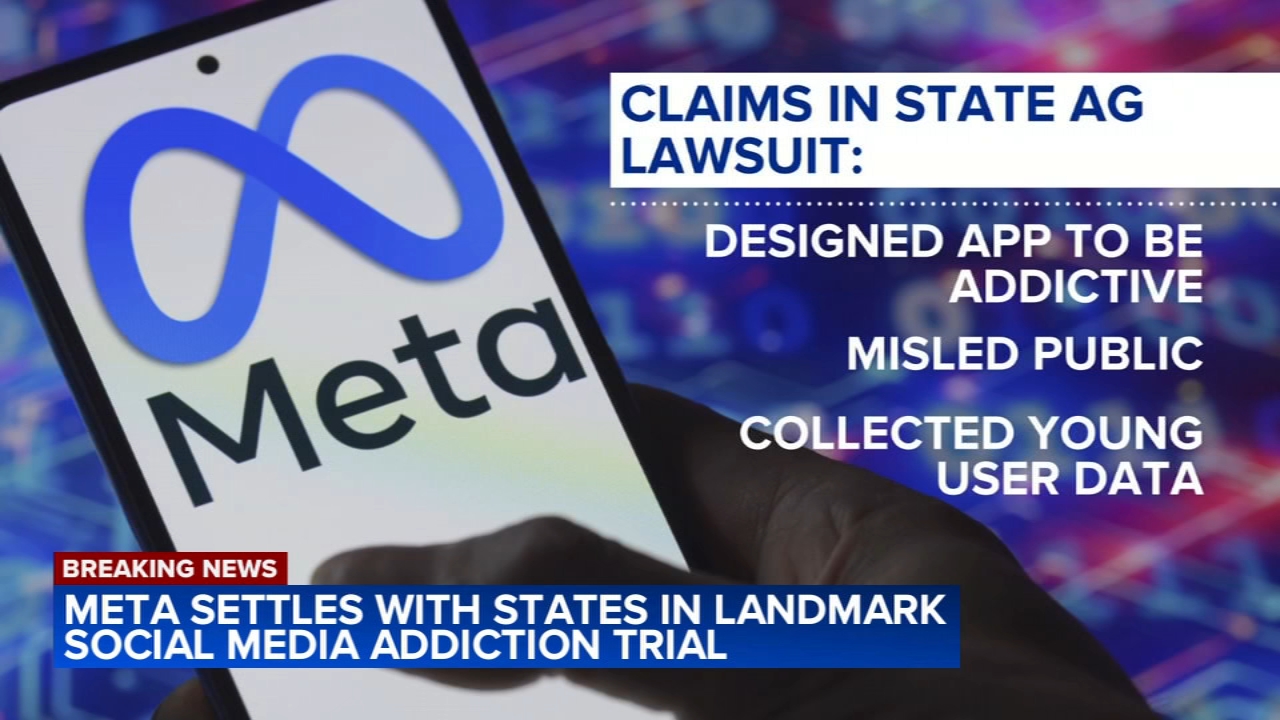
NEW YORK & PALO ALTO — In an eleventh-hour legal maneuver that fundamentally shifts the landscape of digital accountability, Meta Platforms has finalized a high-stakes settlement in the landmark social media addiction litigation, successfully bypassing what promised to be a brutal, multi-week jury trial. The resolution, forged behind closed doors by elite defense counsel and plaintiffs' steering committees, caps months of escalating legal pressure that threatened to expose the inner workings of Silicon Valley’s most guarded engagement architectures.
For months, financial markets and institutional investors tracked the proceedings with acute anxiety. The prospect of open-court testimony from top-tier engineering executives, coupled with the potential unsealing of internal metrics measuring dopamine-loop optimization among underage demographics, introduced severe volatility risks to Meta’s valuation multiples. By opting for a settlement, Meta has executed a textbook risk-mitigation strategy—sacrificing immediate capital outlays to preserve intellectual property secrecy and avoid a catastrophic public relations debacle.
The Anatomy of the Crisis: Catalytic Events and Algorithmic Exposure
Test Our Free AI & Tech Utilities Suite
Calculate LLM API token costs, analyze article dwell-time, or simulate tech DCA returns.
The road to this historic settlement was paved with mounting judicial scrutiny and unprecedented document discovery. For years, state attorneys general, school districts, and families of affected minors have marshaled a coordinated assault under product liability and consumer protection frameworks. The central thesis of the plaintiffs' case was both simple and devastating: Meta knowingly engineered its platforms—specifically Instagram and Facebook—to maximize user dwell time through variable-reward feedback loops, infinite scrolls, and algorithmic amplification, disregarding the well-documented psychological toll on developing minds.
The turning point arrived during pretrial hearings when presiding judges denied several key defense motions for summary judgment, paving the way for a public trial that would have dissected Meta's internal research. Plaintiffs had secured access to internal communications demonstrating that executives were well-aware of how compulsive usage patterns correlated with rising rates of anxiety, depression, and body dysmorphia among adolescent cohorts.
From an infrastructure scalability and product development perspective, the trial threatened to force a radical transparency upon an industry that thrives on proprietary obscurity. Had the proceedings advanced to opening statements, the court record would have been flooded with internal memos detailing how machine learning models are optimized specifically for behavioral retention rather than user well-being. By settling, Meta has effectively placed a financial firewall around its core algorithmic assets, ensuring that its source code and proprietary recommendation engines remain shielded from public dissection.
Financial Mechanics and Market Impact

The immediate economic fallout of the settlement involves complex capital allocation maneuvers. While the precise monetary figure remains confidential under the terms of the preliminary agreement, Wall Street analysts have already factored the payout into their discounted cash flow models, viewing it as a manageable drag on upcoming quarterly earnings rather than a systemic existential threat to Meta's robust balance sheet.
Institutional investors largely greeted the news with a collective sigh of relief. A protracted public trial would have sustained downward pressure on Meta’s equity valuation, inviting retaliatory regulatory actions across international jurisdictions. By clearing this litigation overhang, Meta restores a degree of predictability to its forward-looking financial guidance, assuring shareholders that its aggressive investments in artificial intelligence and metaverse infrastructure can proceed without the immediate distraction of crippling court-mandated disclosures.
| Metric / Dimension | Pre-Settlement Exposure | Post-Settlement Reality |
|---|---|---|
| Litigation Risk | High (Severe trial volatility & public exposure) | Mitigated (Definitive legal closure) |
| Intellectual Property Security | Compromised (Risk of unsealed internal memos) | Protected (Proprietary algorithms remain sealed) |
| Capital Allocation Impact | Unpredictable legal defense & punitive damages | Quantifiable settlement outlay absorbed by cash flow |
| Regulatory Precedent | Catalyst for aggressive multi-state interventions | Baseline standard for future Big Tech liability negotiations |
Industry & Market Implications: Who Wins, Who Loses
The ripple effects of Meta's settlement extend far beyond its Menlo Park headquarters, fundamentally altering the competitive dynamics of the digital media and enterprise tech ecosystems.
The Winners
- Defense Counsel & Class-Action Law Firms: The legal teams representing the plaintiffs secure substantial contingency fees, validating the viability of mass-tort actions targeting digital product design.
- Big Tech Compliance Officers: Platforms that have already begun investing in preemptive safety-by-design frameworks find validation for their expenditures, positioning them to absorb regulatory shifts more smoothly than laggards.
- Meta's Executive Leadership: By avoiding the witness stand, senior leadership sidesteps personal reputational devastation and potential liability exposures that could have triggered governance overhauls.
The Losers
- Public Transparency Advocates: Civil society groups and academic researchers lose a generational opportunity to examine subpoenaed internal documents that could have quantified the precise public health toll of social media design.
- Co-Defendants in the Broader Litigation: Other social media conglomerates—including TikTok, Snap, and Alphabet—now face a hardened plaintiffs' bar equipped with refined legal strategies and emboldened by Meta’s capitulation.
- Institutional Shareholder Activists: Investors advocating for radical corporate governance reform regarding algorithmic safety are sidelined as financial settlements take precedence over structural operational changes.
Frequently Asked Questions (People Also Ask)
Why did Meta choose to settle rather than go to trial?
Meta’s primary motivation was risk mitigation. Proceeding to trial would have required senior executives to testify under oath and risked the public unsealing of sensitive internal documents detailing algorithmic engagement mechanics. Settling allows the company to contain financial exposure, protect proprietary intellectual property, and remove a significant cloud of uncertainty from its market valuation.
Does this settlement set a legal precedent for other social media companies?
While settlements do not establish formal judicial binding precedent in the same manner as appellate court rulings, they signal a powerful tactical blueprint for mass tort litigation. Co-defendants facing similar addiction lawsuits must now reassess their own trial readiness, as the plaintiffs' steering committee has demonstrated its capacity to extract significant concessions from industry leaders.
How will this impact enterprise ROI and product development for tech platforms?
Technology firms are rapidly altering their capital allocation strategies to prioritize trust and safety infrastructure. Compliance, algorithmic auditing, and age-verification protocols are transitioning from peripheral considerations to core operational expenditures, directly impacting the engineering lifecycle of consumer-facing applications.
Are there ongoing regulatory compliance changes expected following this resolution?
Yes. Although private settlements resolve civil litigation, they amplify political pressure on lawmakers. Federal and state regulators are likely to leverage the momentum from this case to push forward stringent statutory frameworks governing minor safety, data privacy, and platform accountability.
Future Outlook: What Comes Next
As the dust settles on this high-stakes legal chapter, the focus shifts toward execution and long-term structural adaptation. For Meta, the immediate task is finalizing the administrative mechanics of the settlement disbursement and reinforcing investor confidence through steady operational performance.
However, the broader war over digital ethics is far from over. The remaining defendants in the social media addiction litigation must now decide whether to follow Meta's playbook or test their defenses in open court. Simultaneously, legislative bodies in Washington and Brussels are monitoring these developments closely, using the insights gleaned from public court filings to draft rigorous compliance mandates.
For investors, enterprise strategists, and tech executives, the core takeaway is unequivocal: the era of unchecked algorithmic experimentation is drawing to a close. Capital allocation must increasingly account for the heavy cost of legal exposure, making proactive regulatory compliance and ethical product architecture the ultimate arbiters of long-term enterprise value.