Zuckerberg’s Nostalgia Play: Meta Unveils Tamagotchi-Style AI ‘Charm’ in Bid to Capture Gen Z’s Attention and Wallets
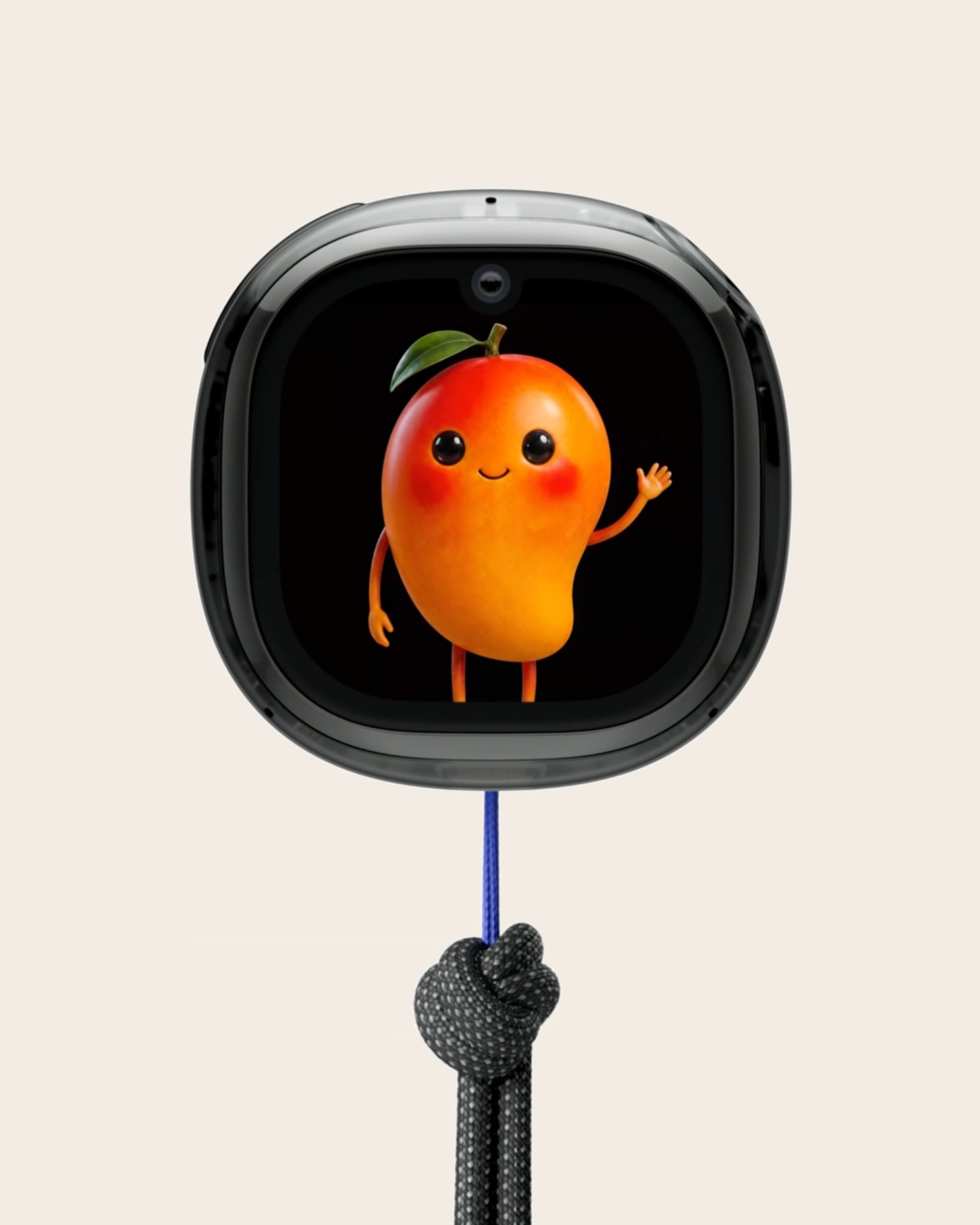
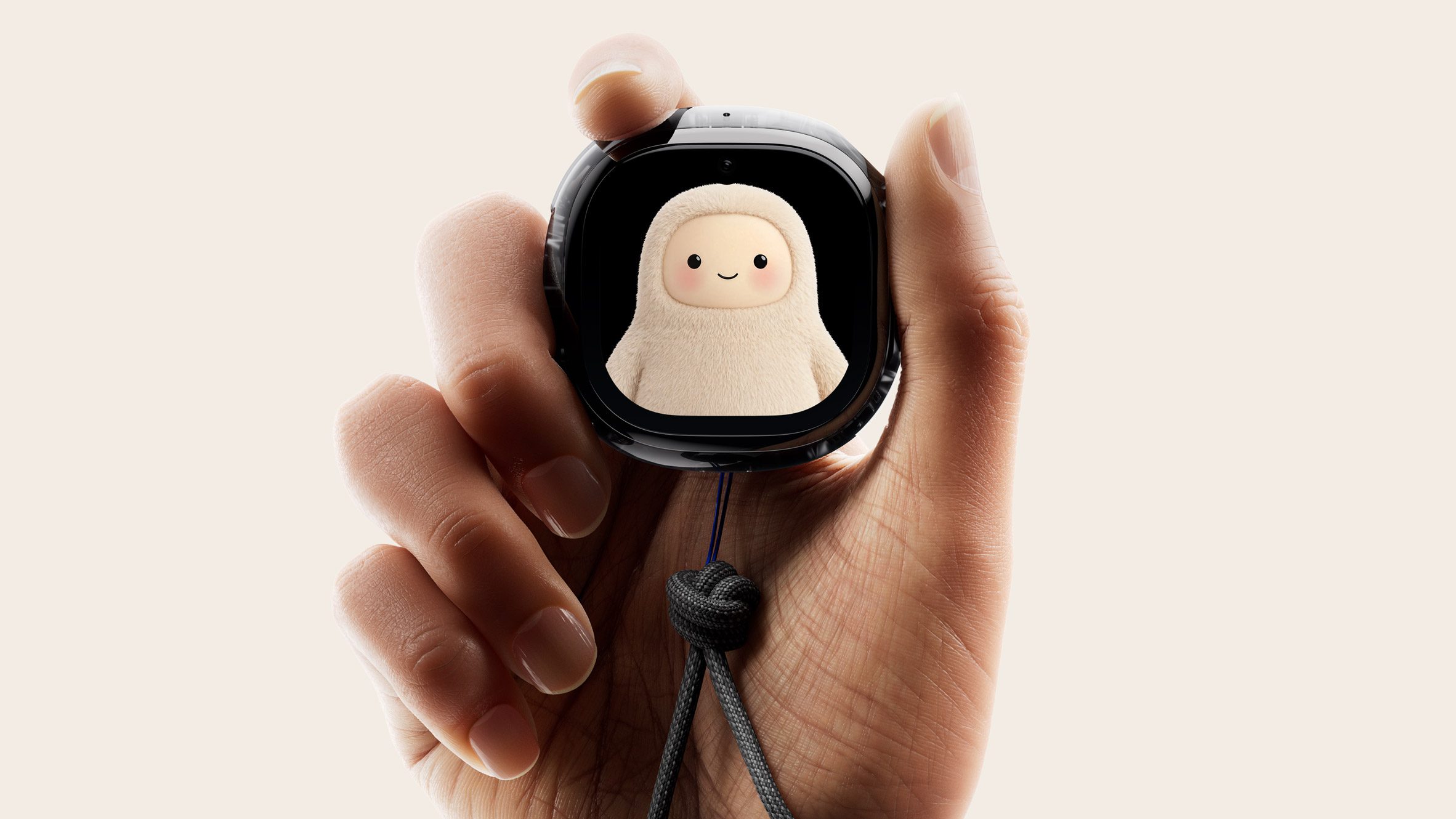
In a surprising hardware move that blends 1990s retro-nostalgia with cutting-edge generative silicon, Meta Platforms Inc. has debuted a new wearable prototype: a Tamagotchi-style "charm" housing an embodied AI agent. The pocket-sized, screen-equipped accessory is designed to be clipped onto clothing, worn as a pendant, or attached to bags, offering users a physical, interactive home for a personalized AI companion that evolves based on real-world daily interactions.
The move represents a major strategic pivot for Meta’s hardware division, Reality Labs. While the tech giant continues to pour billions into high-end augmented reality glasses like "Orion" and virtual reality headsets like the Quest 3, this new pocket companion targets an entirely different demographic. By gamifying AI interaction, Meta aims to capture younger consumers who have shown fatigue with traditional smartphone apps but remain deeply engaged with niche, hardware-focused digital experiences.
The Anatomy of the "Charm": How Meta’s Newest Hardware Works
According to leaked developer documentation and initial demonstrations, the AI charm features a small, low-power circular display housed in a rugged, pastel-toned chassis. Rather than acting as a standard productivity assistant, the device hosts a highly personalized, virtual "pet" or "spirit" powered by a lightweight, on-device variant of Meta’s Llama synthetic intelligence models.
The device operates on a hybrid compute model, leveraging local processing for instant haptic feedback and basic voice interactions, while offloading complex reasoning and memory synthesis to Meta’s cloud infrastructure. Key features of the device include:
- Adaptive Behavioral Engines: The AI companion’s personality, mood, and visual appearance evolve based on how the user interacts with it, their conversational tone, and even their physical movement tracked via built-in accelerometers.
- Multimodal Environmental Awareness: Equipped with a pinhole camera sensor and directional microphones, the charm can "see" and "hear" its surroundings when prompted, allowing it to comment on real-world events, read text, or identify objects for the wearer.
- Cross-Platform Continuity: The digital entity is not locked to the physical charm. Users can interact with their companion via Instagram, WhatsApp, and Horizon Worlds, maintaining a continuous conversational memory across the entire Meta ecosystem.
The Strategic Pivot: Why Meta is Betting on Small Hardware
The consumer electronics market has watched several AI-native hardware startups, such as Humane with its AI Pin and Rabbit with the R1, stumble out of the gate due to poor battery life, high latency, and a lack of clear utility. However, industry analysts suggest Meta is uniquely positioned to succeed where independent startups have faltered.
Unlike hardware-only startups, Meta possesses a world-class AI research division, an existing global distribution network, and a massive social graph to drive engagement. Crucially, Meta does not need to charge a hefty subscription fee to make the device economically viable; the charm serves as a high-retention gateway to Meta's broader advertising and social ecosystems.
"Meta isn't trying to replace the smartphone with this device," says Gene Munster, managing partner at Deepwater Asset Management. "They are trying to lower the barrier to AI engagement. A device that feels like a toy but acts like a highly sophisticated personal assistant is an incredibly potent way to build brand loyalty among Gen Z and Gen Alpha before they establish lifetime platform habits."
Comparing Meta's AI Wearable Strategy
To understand where this new device fits, it is helpful to look at how Meta is segmenting its growing portfolio of consumer hardware devices, targeting different price points and use cases:
| Device | Primary Form Factor | Target Audience | Core Technology | Market Status |
|---|---|---|---|---|
| Ray-Ban Meta Glasses | Smart Eyewear | Mainstream Consumers, Creators | Open-ear audio, 12MP Camera, Meta AI Voice | Commercially Available (High Success) |
| Meta AI "Charm" | Interactive Pendant / Clip-on | Gen Z, Gamers, Casual Users | On-device Llama, circular display, haptics | Internal Prototype / Limited Beta |
| Orion AR Glasses | Full Augmented Reality Eyewear | Enterprise, Tech Enthusiasts | Silicon carbide displays, neural wrist interface | Developer Preview / Future Pipeline |
Market Reaction and the Privacy Battleground
Wall Street has reacted with cautious optimism to the news. Meta’s stock (NASDAQ: META) hovered near its weekly highs as investors processed the implications of a low-cost hardware device that could accelerate user engagement metrics. By introducing a physical touchpoint that encourages daily check-ins, Meta could unlock a highly lucrative stream of contextual data to further refine its ad-targeting algorithms.
However, the device is already drawing scrutiny from privacy advocates. A wearable device aimed at younger demographics that features a camera, microphone, and continuous ambient learning capabilities is bound to raise regulatory red flags, particularly in the European Union under the strict mandates of the Digital Markets Act (DMA) and the AI Act.
Meta has anticipated these concerns, reportedly building physical privacy shutters for the camera lens and implementing local encryption for all stored behavioral data. The company has stated that the charm's microphone will operate on a strict "push-to-talk" or wake-word basis, preventing continuous, unauthorized ambient recording.
Future Outlook: A New Era of Embodied Companionship
The debut of the AI charm signals a broader shift in how tech conglomerates view the future of human-computer interaction. The era of the sterile, utilitarian voice assistant is giving way to highly customized, emotionally resonant virtual entities. If Meta can successfully scale this prototype into a mass-market consumer product priced under $150, it may well define a new product category: emotional hardware. For Mark Zuckerberg, the path to dominating the AI era may not just lie in massive data centers, but in a tiny, charming digital pet clipped to your pocket.
Frequently Asked Questions
Will the Meta AI Charm require a cellular subscription to function?
While final product specifications have not been finalized, initial reports suggest the device will connect primarily via Bluetooth to a companion smartphone or local Wi-Fi networks, eliminating the need for an expensive dedicated cellular plan. This keeps the barrier to entry low for younger consumers.
How does Meta plan to address parental consent and safety for younger users?
Meta is expected to integrate the device deeply with its existing parental supervision tools. Parents will likely be able to monitor interaction limits, restrict the camera functionality, and manage the contacts or accounts the AI companion can interact with across Meta's family of apps.