Executive Takeaways
- User Experience Overhaul: Microsoft has begun rolling out long-awaited interface adjustments in Windows 11 designed to mitigate persistent user frustrations, specifically targeting intrusive default application behaviors and persistent notification friction.
- Macroeconomic Pressures: The software adjustments coincide with a protracted contraction in original equipment manufacturer (OEM) PC revenue, forcing Redmond to pivot from aggressive monetization tactics toward user retention and engagement optimization.
- Enterprise ROI & Infrastructure: IT directors evaluating hardware refresh cycles and cloud compute architecture must weigh OS stability and friction reduction against legacy migration costs.
- Valuation Multiples: Wall Street analysts note that while Windows hardware licensing remains cyclical, software-as-a-service (SaaS) stickiness and enterprise cloud resilience underpin Microsoft’s sustained valuation multiples.
For more than three years, enterprise administrators, power users, and casual consumers alike have voiced vocal dissatisfaction with specific friction points embedded within the Windows 11 operating system architecture. From aggressive default-browser hijacking to unsolicited promotional pop-ups inside core system menus, these software annoyances created sustained friction at a time when consumer sentiment and hardware purchasing power were already under intense macroeconomic pressure.
Now, data compiled from recent preview builds and industry wire reports indicate that Microsoft is actively dismantling these user-experience hurdles. However, this strategic shift toward user appeasement is occurring against a backdrop of declining OEM PC revenue and shifting global supply chain dynamics. As enterprise IT budgets tighten and consumer PC upgrades stall, software optimization has transformed from a mere product-design preference into a vital mechanism for capital allocation, risk mitigation, and long-term ecosystem retention.
The Anatomy of the Windows 11 Annoyance: Context and Catalytic Events
Test Our Free AI & Tech Utilities Suite
Calculate LLM API token costs, analyze article dwell-time, or simulate tech DCA returns.
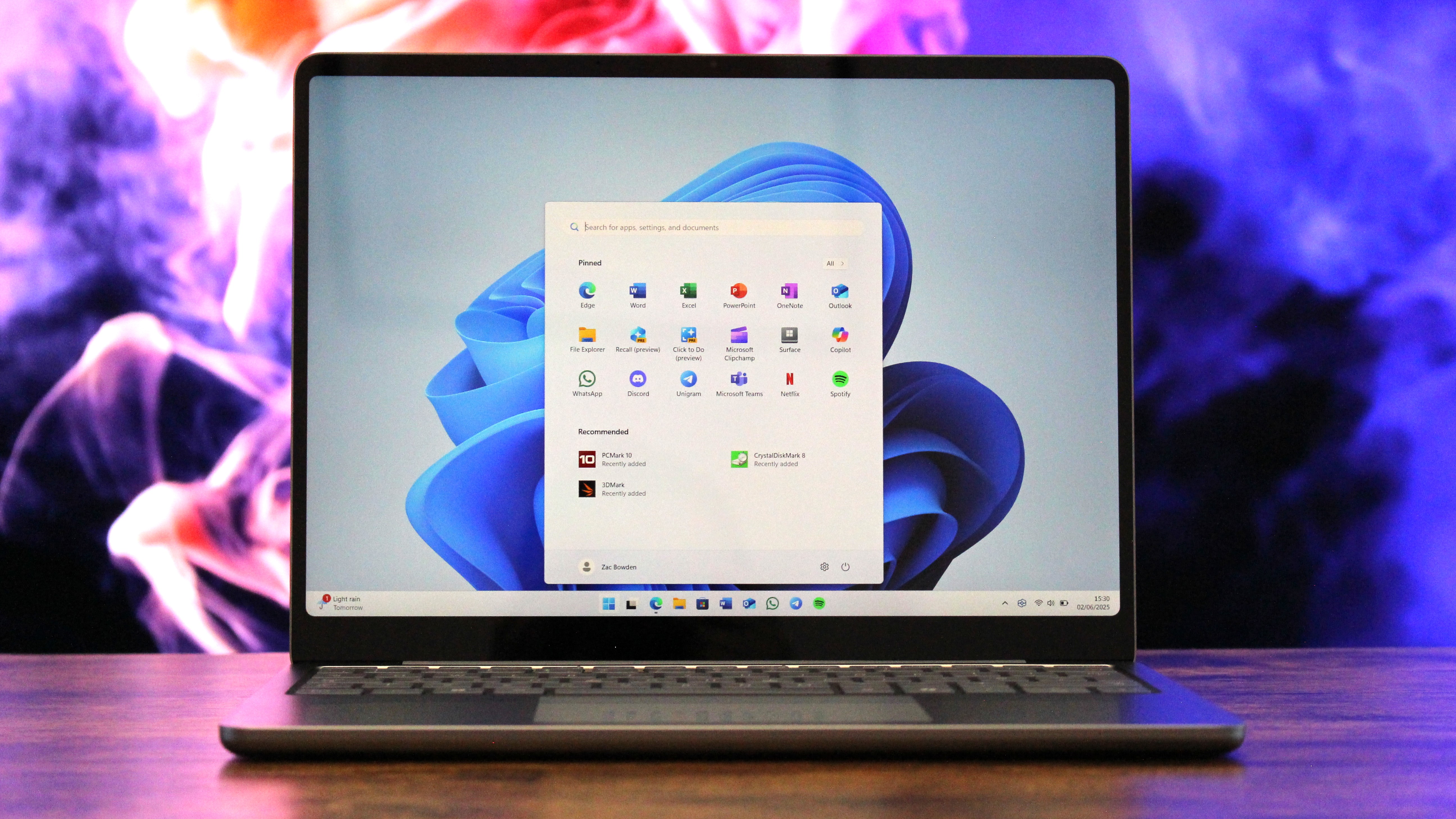
When Microsoft launched Windows 11 in late 2021, the company touted the platform as a modern, secure environment optimized for hybrid work and advanced productivity. Yet, subsequent updates frequently tested user goodwill. The most prominent grievances centered on how the operating system handled default applications—forcing users through cumbersome, multi-step confirmation dialogues simply to change web browsers or PDF handlers—as well as the introduction of recommendation engines within the Start menu and File Explorer.
For enterprise environments, these features introduced administrative friction, sometimes disrupting automated deployment pipelines and cloud-managed endpoint configurations. IT directors managing large-scale infrastructure scalability often found themselves expending valuable labor hours configuring Group Policy Objects (GPOs) and mobile device management (MDM) scripts merely to suppress consumer-facing promotional nudges.
The catalytic turning point arrived as telemetry data and customer feedback loops signaled a dangerous rise in user churn sentiment, coupled with broader industry headwinds. Facing decelerating hardware sales, Microsoft’s product leadership recognized that continued software friction risked accelerating migration toward competing operating systems or delaying critical hardware refresh cycles indefinitely.
OEM PC Revenue Contraction: The Financial Imperative Behind the Fix
To fully understand the timing of Microsoft’s user experience (UX) remediation, one must examine the macroeconomic realities facing the personal computing hardware sector. Following the historic pandemic-era pull-forward of demand—which saw unprecedented spikes in laptop and desktop shipments throughout 2020 and 2021—the global PC market entered a multi-year cyclical correction.
OEM partners including Dell, HP, Lenovo, and ASUSTeK experienced severe inventory corrections, leading to depressed hardware shipments and declining Windows OEM licensing revenue for Microsoft. In successive quarterly earnings reports, the company’s More Personal Computing segment highlighted compressed margins and lower volume sales directly tied to macroeconomic uncertainty, elevated interest rates, and cautious enterprise budgeting.
| Metric / Indicator | Peak Pandemic Era (2020–2021) | Recent Contraction Phase (2023–2024) | Current Stabilization Trend |
|---|---|---|---|
| Global PC Shipments (YoY) | +13.1% to +15.0% | -12.0% to -16.2% | Flat to Low Single-Digit Recovery |
| Windows OEM Revenue Growth | Double-digit expansion | Mid-single-digit decline | Stabilizing via AI PC integration |
| Enterprise Refresh Cycle | Accelerated remote-work deployment | Deferred capital expenditures | Initiating Win 10 end-of-life migrations |
| Primary OS Monetization Focus | Aggressive feature push & ads | Volume maintenance & retention | AI-driven subscription services (Copilot) |
When hardware unit sales contract, software ecosystems cannot afford to alienate their active user base. In a shrinking market, user satisfaction directly dictates cloud service attachment rates, Microsoft 365 subscriptions, and enterprise Azure migration pipelines. By eliminating long-standing interface annoyances, Microsoft is effectively reducing customer churn risk and preserving the overarching ecosystem stickiness required to support its lofty equity valuation multiples.
Industry & Market Implications: Winners, Losers, and Economic Realities
The decision to refine the Windows 11 user experience ripples across the broader technology ecosystem, altering competitive dynamics for hardware manufacturers, independent software vendors (ISVs), and enterprise buyers.
- Enterprise IT Departments (Winners): Corporate buyers benefit from a more predictable, streamlined operating system environment. Reduced interface friction translates directly into lower help-desk ticket volumes and more efficient endpoint administration.
- Alternative Browser & Utility Vendors (Conditional Winners): Companies that rely on seamless default-app configuration (such as independent browser developers and PDF tool creators) regain a fairer playing field, unhindered by aggressive proprietary redirection prompts.
- OEM Hardware Partners (Beneficiaries): Dell, HP, and Lenovo stand to gain from improved consumer sentiment. A polished, annoyance-free operating system removes a psychological barrier for retail and enterprise buyers contemplating hardware upgrades, particularly as Windows 10 approaches its official end-of-support date.
- Short-Term Ad Revenue Realizers (Losers): Segments of Microsoft’s organization that experimented with native recommendation placements and promotional system nudges will see reduced direct impression yields, though this is a necessary trade-off for long-term customer lifetime value (LTV).
Frequently Asked Questions (People Also Ask)
What specific Windows 11 annoyances is Microsoft addressing in the latest updates?
Microsoft is rolling out changes that simplify how users manage default applications, removing cumbersome confirmation loops previously required to switch default web browsers and file handlers. Additionally, the company is dialing back promotional recommendations and native ad placements within core system interfaces like the Start menu and File Explorer.
How does declining PC revenue impact Microsoft’s software update strategy?
When OEM hardware shipments decline, Microsoft can no longer rely on massive volumes of new PC licenses to drive financial growth. Instead, the company must protect and deepen engagement within its existing installed base. Eliminating UX friction is a strategic retention play designed to prevent user migration and preserve subscriptions for cloud and productivity services like Microsoft 365 and Azure.
What are the enterprise implications for IT administrators managing Windows 11 deployments?
For corporate IT departments, these updates reduce administrative overhead. Fewer unsolicited prompts and more transparent default-application controls mean fewer help-desk inquiries from end-users, simplified MDM policy configuration, and smoother execution during enterprise-wide hardware refresh cycles.
When will these interface changes be deployed globally to all users?
Microsoft typically rolls out such interface modifications incrementally through its Windows Insider preview channels before promoting them to general availability via cumulative monthly updates. Broad deployment across all supported enterprise and consumer endpoints is scheduled to accelerate ahead of critical operating system lifecycle milestones.
Future Outlook: Strategic Milestones to Watch
As the personal computing landscape navigates the intersection of cyclical hardware adjustments and artificial intelligence integration, Microsoft’s product strategy must balance monetization with user trust. The successful remediation of Windows 11 interface annoyances signals a mature acknowledgment that software quality remains the ultimate anchor of enterprise and consumer loyalty.
Key milestones to monitor over the coming fiscal quarters include the official Windows 10 end-of-support deadline, the market adoption rates of NPU-equipped "AI PCs," and subsequent quarterly earnings reports detailing More Personal Computing segment margins. If Microsoft maintains its commitment to user-centric interface design while successfully scaling cloud and AI services, the company will be uniquely positioned to navigate lingering hardware headwinds and sustain its competitive dominance in the global enterprise technology arena.