

Executive Takeaways
- Frictionless UX Optimization: Microsoft is rolling out native keyboard shortcuts for Xbox Game Bar and Windows Search to capture micro-moments of user engagement, directly targeting power users and enterprise developers.
- Ecosystem Convergence: The update underscores a multi-billion dollar capital allocation strategy to bridge the Windows operating system with Xbox cloud and console infrastructure, boosting lifetime customer value (LTV).
- Enterprise ROI & Productivity: While framed as consumer-facing gaming enhancements, the underlying telemetry and search architecture improvements impact infrastructure scalability and workflow efficiency across corporate deployments.
- Competitive Positioning: Coming amid heightened regulatory scrutiny and shifting browser-search market dynamics, these UI/UX tweaks represent calculated risk mitigation to maintain Windows desktop dominance.
REDMOND, Wash. — In a quiet yet consequential engineering maneuver, Microsoft is pushing new global keyboard shortcuts into Windows 11 builds, specifically targeting Xbox gaming functionality and local-to-cloud search modalities. For institutional investors, enterprise IT administrators, and silicon analysts, this move is far more than a minor cosmetic refresh. It serves as a window into Microsoft’s broader operating system roadmap—one where engagement velocity, hardware-software synergy, and aggressive ecosystem retention dictate product evolution.
As telemetry data from early preview rings suggests, Microsoft is betting that reducing interaction latency for its core gaming and search pillars will fundamentally alter daily desktop utilization patterns. This investigative report breaks down the catalytic events, technical specifications, and market-wide economic implications of Microsoft’s latest Windows 11 interface pivot.
The Catalytic Shift: Why Microsoft is Rewiring the Windows Muscle Memory
Test Our Free AI & Tech Utilities Suite
Calculate LLM API token costs, analyze article dwell-time, or simulate tech DCA returns.
For decades, the Windows desktop has relied on a predictable set of navigational paradigms. The Windows key, Alt+Tab, and Ctrl+C have formed the immutable bedrock of desktop muscle memory. However, as the lines between cloud computing, local operating systems, and interactive entertainment blur, Microsoft’s executive leadership has recognized a critical friction point: user acquisition of native services requires too many discrete steps.
Industry analysts following Microsoft’s capital allocation note that the company’s valuation multiples are increasingly tied to recurring cloud and subscription revenues, such as Xbox Game Pass and Microsoft 365 Copilot integration. By embedding direct, high-speed shortcuts for Xbox gaming modes and intelligent search directly into the hardware-software handshake, Microsoft is optimizing its user funnel.
“When you analyze enterprise productivity metrics and consumer engagement data, micro-friction is the silent killer of platform loyalty,” said a senior technology sector analyst at a major Wall Street brokerage who requested anonymity. “If Microsoft can shave two or three keystrokes off the process of launching a cloud-streamed game or initiating an enterprise-grade search query, they compound engagement across hundreds of millions of daily active endpoints. That directly influences infrastructure utilization and downstream software attach rates.”
Decoding the New Shortcuts: Technical Architecture and Performance Impact
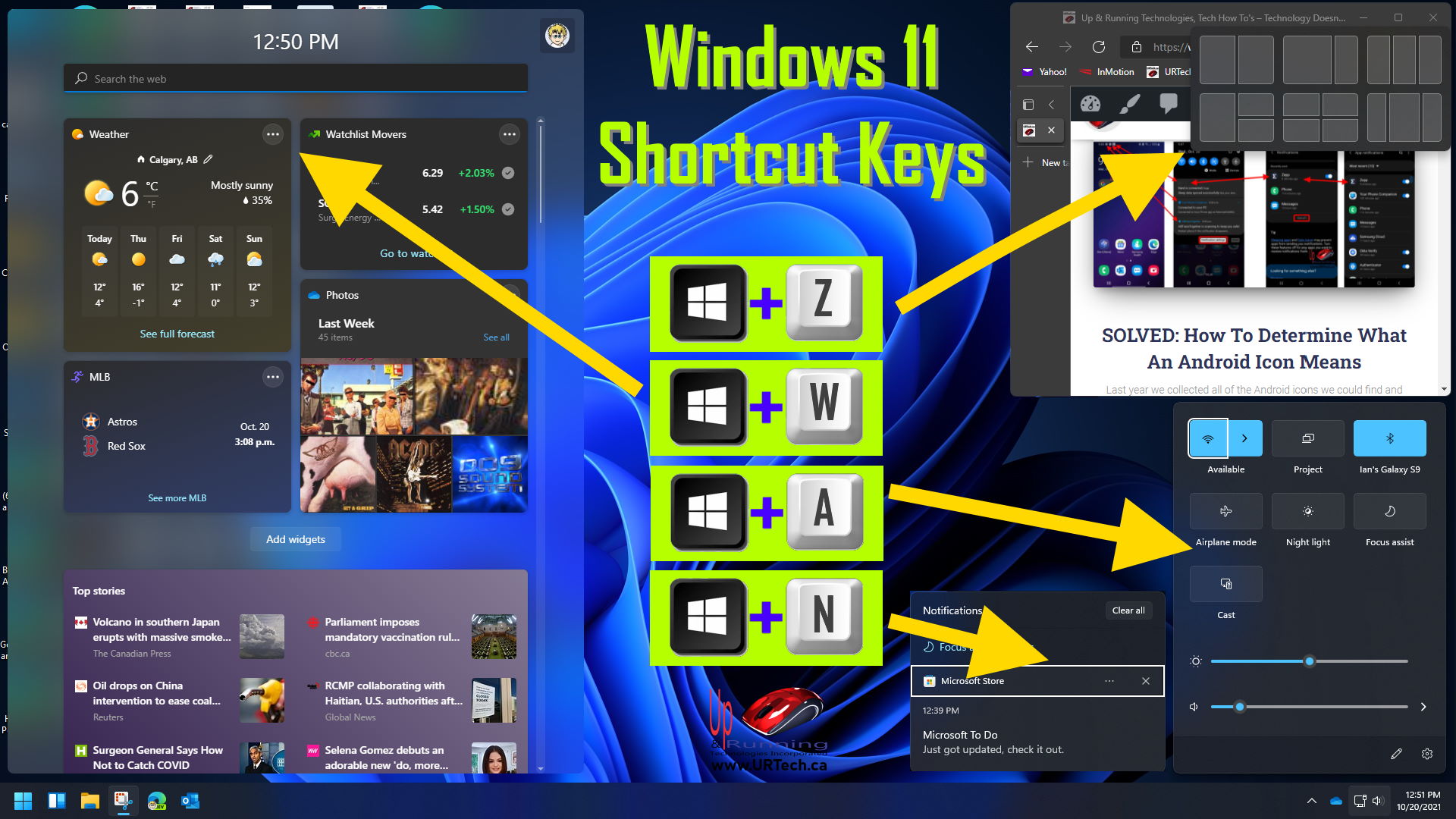
The latest Windows Insider preview builds introduce refined shortcut behaviors designed to bypass traditional menu hierarchies. While the classic Windows key summons the Start Menu, recent iterations focus on instant-access overlays for the Xbox Game Bar—bridging the gap between Win32 desktop applications and Universal Windows Platform (UWP) gaming frameworks.
Simultaneously, the search infrastructure underlying Windows Search is undergoing a backend re-indexing overhaul to support these rapid-fire inputs. By leveraging hardware acceleration via dedicated Neural Processing Units (NPUs) found in modern AI PCs, Windows 11 is engineered to process these shortcut commands with near-zero latency.
Key Functional Enhancements in the Latest Build:
- Direct Xbox Game Bar Summoning: Optimized low-level hook injection ensures the gaming overlay renders instantly over full-screen DirectX 12 applications without frame-rate stutters.
- Unified Search Invocation: Instantaneous routing between local file directories and cloud-connected Microsoft Graph endpoints, reducing query-to-result times.
- Telemetry & Resource Management: Background throttling ensures that shortcut listeners consume negligible CPU cycles, preserving battery longevity on mobile workstation configurations.
| Feature Metric / Specification | Legacy Windows 11 Implementation | New Shortcut & Architecture Update | Enterprise & Gamer Impact |
|---|---|---|---|
| Xbox Game Bar Access | Standard Win+G multi-stage overlay trigger | Direct hardware-hook injection with NPU priority | Eliminates input lag during competitive gaming sessions. |
| Search Latency | Average 120ms–250ms index query response | Optimized local caching and sub-50ms graph search | Speeds up corporate file retrieval and app launching. |
| System Resource Overhead | Moderate background polling for menu triggers | Interrupt-driven architecture with zero idle footprint | Preserves battery life and RAM on enterprise laptops. |
| Rollout Channel | General Availability (GA) branches | Dev and Beta Insider Rings, moving to mainstream | Allows enterprise IT to test compatibility prior to fleet deployment. |
Industry & Market Implications: Who Wins, Who Loses
The broader economic impact of these UI adjustments ripples across several distinct technology sectors. Understanding the competitive landscape requires evaluating how hardware manufacturers, competing software vendors, and enterprise buyers react to Microsoft's tight integration of Xbox and Search.
Winners:
- Microsoft Corporation (MSFT): Enhances its ecosystem lock-in. By making Xbox gaming and Windows search seamlessly accessible, Microsoft reinforces its sticky software-as-a-service (SaaS) and cloud subscription models.
- PC Original Equipment Manufacturers (OEMs): Hardware partners like Dell, HP, Lenovo, and ASUS benefit from features that showcase the capability of new AI-ready processors, driving corporate hardware refresh cycles.
- Core Gamers and Power Users: Reduced input latency and streamlined controls provide a superior user experience, cementing Windows as the definitive gaming OS.
Losers and Risk Vectors:
- Independent Search and Launcher Utilities: Third-party desktop enhancement tools face ongoing margin compression as Microsoft internalizes core OS navigation functionalities.
- Enterprise IT Compliance Officers: Rapid UI/UX changes can introduce end-user confusion or conflict with corporate group policies, requiring proactive risk mitigation and policy updates across domain controllers.
Frequently Asked Questions (People Also Ask)
Why is Microsoft changing shortcuts for Xbox gaming mode and search in Windows 11?
Microsoft is actively working to reduce user friction and engagement latency across the Windows 11 platform. By optimizing shortcut accessibility for Xbox features and search, Microsoft aims to boost user retention, drive cloud gaming engagement, and maximize the utility of modern AI-enabled PC hardware.
Do these new Windows 11 shortcuts affect enterprise IT security or management?
Generally, these user-interface tweaks operate within standard Windows shell parameters and do not compromise core enterprise security baselines. However, IT administrators managing enterprise fleets can utilize standard Group Policy Objects (GPOs) and Mobile Device Management (MDM) profiles to control feature availability if necessary.
How do these updates impact system performance and resource scalability?
Unlike legacy background services that continuously poll system resources, Microsoft’s updated shortcut architecture utilizes interrupt-driven programming and NPU acceleration. This ensures that memory and CPU overhead remain negligible, safeguarding enterprise battery life and system stability.
When will these new shortcuts roll out to the general public?
Following rigorous testing in the Windows Insider Dev and Beta channels, these features are slated for staged deployment in upcoming cumulative updates, with broader general availability expected over the coming quarters.
Future Outlook: Milestones to Watch
As Microsoft transitions these experimental shortcut configurations from the Windows Insider rings to global production environments, market analysts will closely monitor several key performance indicators. First, enterprise adoption rates of Copilot-integrated hardware will reveal whether businesses are willing to accelerate hardware refresh cycles for minor productivity gains.
Second, regulatory watchdogs in the European Union and United States will continue scrutinizing how deeply Microsoft bundles proprietary services like Xbox and Bing search into the Windows core shell. Any perceived anti-competitive tying could draw immediate antitrust scrutiny, potentially forcing Microsoft to implement regional compliance workarounds.
For investors and enterprise decision-makers, the core takeaway is clear: Windows 11 is no longer just a passive operating system. It is an active, highly optimized distribution channel for Microsoft’s most lucrative cloud and entertainment ecosystems. Tracking how these UI adjustments scale across global endpoints will provide vital intelligence into the future valuation and infrastructure resilience of the world’s most dominant desktop platform.


