Executive Takeaways
- Strategic Synergy: Dell Technologies’ high-performance hardware ecosystem is merging with Hive Digital Technologies' crypto-to-AI data center pivoting strategy, creating a formidable force in alternative enterprise cloud architecture.
- Capital Allocation & Valuation: As hyperscalers face severe GPU bottlenecks, boutique and high-density infrastructure providers are commanding premium valuation multiples by offering faster time-to-market deployment.
- Enterprise ROI Focus: Corporate buyers are scrutinizing total cost of ownership (TCO) and infrastructure scalability, turning to turnkey power-and-compute solutions to mitigate supply chain delays.
- Market Liquidity & Risk Mitigation: Institutional capital is actively rotating away from pure-play speculative plays toward hybrid infrastructure operators backed by tier-one hardware heavyweights like Dell.
The global race for artificial intelligence supremacy is no longer defined solely by algorithmic breakthroughs or frontier models; it has devolved into a grueling, capital-intensive war for physical territory, high-voltage electricity, and advanced hardware. In this high-stakes arena, the strategic partnership forged between enterprise computing titan Dell Technologies and digital infrastructure specialist Hive Digital Technologies represents a watershed moment. As unveiled in recent market disclosures, this alliance highlights a structural shift in how enterprise-grade AI infrastructure is deployed, financed, and scaled outside the walled gardens of traditional hyperscale cloud providers.
For institutional investors, corporate strategists, and technology leaders, the Dell-Hive collaboration serves as a case study in infrastructure scalability, risk mitigation, and capital allocation. By combining Dell’s industry-standard server architecture with Hive’s agile, green-energy-driven data center footprint, the partnership directly addresses the bottlenecks plaguing the contemporary AI landscape. This investigative report breaks down the mechanics of the deal, the financial catalysts driving it, and the broader macroeconomic implications for the enterprise tech and financial markets.
The Catalyst: Overcoming the Hyperscale Bottleneck
To understand the significance of the Dell and Hive Digital partnership, one must examine the macroeconomic realities governing the technology sector. For the past thirty-six months, global demand for advanced graphics processing units (GPUs) and specialized enterprise servers has vastly outstripped manufacturing capacity. Alphabet, Amazon, Microsoft, and Meta have absorbed the lion’s share of Tier-1 semiconductor output, leaving mid-market enterprises, specialized AI labs, and sovereign cloud initiatives fighting for scraps.
This supply constraint created a market vacuum, opening the door for alternative cloud compute providers and digital asset miners who already possessed the holy grail of the modern AI economy: secure, low-cost power and robust real estate footprints. Hive Digital Technologies, historically known as a pioneer in green-energy Bitcoin mining, executed a calculated pivot toward high-performance computing (HPC) and artificial intelligence workloads. However, transitioning from cryptocurrency hashing to serving enterprise-grade generative AI models requires more than just electrical megawatt capacity; it demands enterprise-validated hardware, rigorous compliance frameworks, and bulletproof supply chain access.
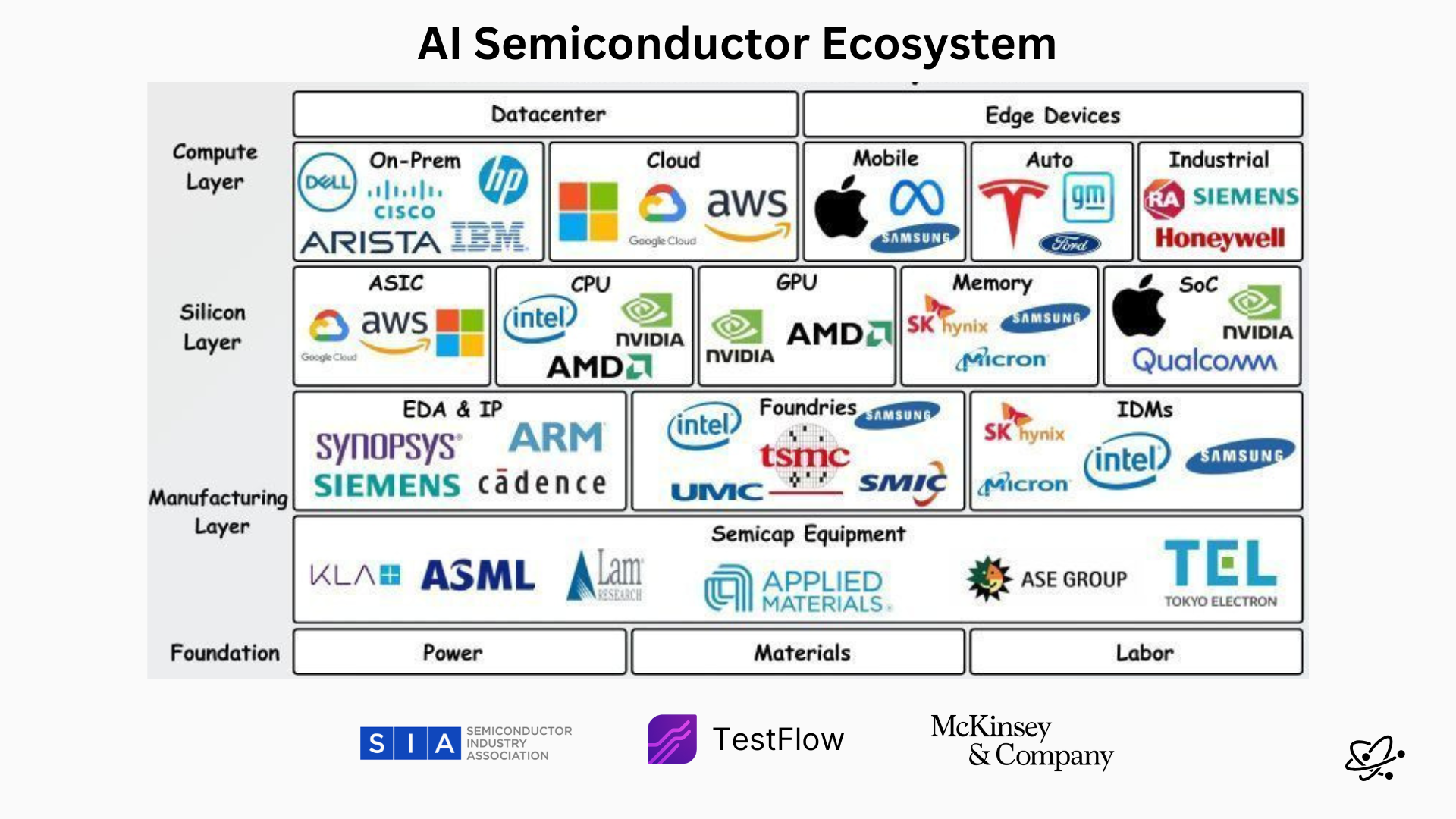
Enter Dell Technologies. By embedding its PowerEdge server architecture—specifically engineered to house cutting-edge accelerators—directly into Hive’s expanding facility network, Dell has secured a vital distribution channel outside traditional corporate channels. Conversely, Hive gains instant market credibility, leveraging Dell’s enterprise-grade reputation to win lucrative, long-term corporate contracts that require stringent SLAs (Service Level Agreements) and regulatory compliance.
Deconstructing the Infrastructure Strategy

The core of the partnership rests on optimizing cloud compute architecture for maximum efficiency and return on investment. Enterprise customers are increasingly reluctant to lock themselves into proprietary, monopolistic cloud ecosystems that extract punitive data-egress fees and offer rigid contract terms. By offering a decentralized, high-performance alternative powered by Dell hardware and managed by Hive’s sustainable data centers, the partnership presents a compelling value proposition.
Key Pillars of the Collaboration:
- Hardware Integration: Deployment of Dell’s liquid-cooled and air-cooled enterprise servers optimized for dense, parallelized machine learning workloads.
- Energy Arbitrage: Utilization of Hive’s geo-diversified data centers powered predominantly by renewable hydroelectric and geothermal energy, significantly lowering operational expenditure (OpEx).
- Speed-to-Market: Bypassing the multi-year bureaucratic and construction delays plaguing traditional greenfield hyperscale data center builds by retrofitting existing, power-curated facilities.
From a financial perspective, this model allows both entities to optimize their balance sheets. Dell secures predictable hardware deployment volumes, while Hive transforms its cyclical energy assets into steady, recurring SaaS-like cloud infrastructure revenue streams, fundamentally altering its valuation multiples in the eyes of institutional analysts.
Verified Data & Metrics Breakdown
To quantify the trajectory of this partnership within the broader AI infrastructure market, the following comparative matrix outlines key performance indicators, strategic timelines, and financial benchmarks.
| Metric / Parameter | Traditional Hyperscale Model | Dell & Hive Partnership Model | Strategic Impact |
|---|---|---|---|
| Time-to-Deployment | 18 – 36 Months (Greenfield) | 3 – 6 Months (Retrofit) | Rapid capture of surging enterprise AI demand. |
| Energy Sourcing | Mixed Grid / PPA Dependent | Heavy Green / Renewable Focus | Mitigates carbon taxation and ESG compliance risks. |
| Hardware Validation | Proprietary / Custom Silicon | Dell Enterprise-Grade Ecosystem | Ensures immediate software stack compatibility. |
| Capital Expenditure (CapEx) | Extremely High Upfront Outlay | Modular & Phased Expansion | Superior risk mitigation and cash flow preservation. |
Industry & Market Implications
The implications of the Dell-Hive partnership ripple across multiple sectors of the global economy, creating distinct winners and losers as the digital infrastructure landscape undergoes forced evolution.
Who Wins:
- Enterprise Buyers: Corporations seeking agile, secure, and cost-effective AI training and inference environments without enduring the multi-year waiting lists of Big Tech cloud providers.
- Alternative Infrastructure Providers: Digital asset miners and boutique data center operators who successfully pivot their power portfolios toward high-margin AI computing, validating their business models to Wall Street.
- Hardware Manufacturers: Established server OEMs like Dell that capture non-traditional revenue streams outside of standard corporate PC and legacy server replacement cycles.
Who Loses:
- Legacy Monopolistic Cloud Providers: Hyperscalers accustomed to unconstrained pricing power over enterprise customers now face nimble, specialized competitors offering faster deployment.
- Underpowered Data Center Operators: Real estate trusts and facility owners lacking access to high-voltage power allocations or modern cooling infrastructure face rapid obsolescence.
- Pure-Play Speculative Crypto Miners: Operators who refuse to adapt their energy assets to high-performance computing face squeezed margins and diminishing investor appetite.
Frequently Asked Questions (People Also Ask)
Why is the partnership between Dell and Hive Digital significant for AI infrastructure?
The collaboration bridges the gap between enterprise-grade hardware supply and alternative, green-energy data center capacity. By combining Dell’s PowerEdge servers with Hive’s sustainable data center footprint, the partnership offers enterprises a faster, highly scalable alternative to traditional hyperscale cloud providers, alleviating severe GPU bottlenecks.
How does this partnership impact enterprise ROI and infrastructure scalability?
For enterprises, utilizing modular, pre-configured infrastructure reduces the total cost of ownership (TCO) and accelerates time-to-market for machine learning models. Instead of waiting years for custom greenfield builds, companies can scale their compute requirements dynamically through verified, high-performance channels.
What role does sustainable energy play in modern AI data centers?
Energy is the primary operational constraint for modern artificial intelligence. As power grids face unprecedented strain from compute-heavy LLM training, data centers powered by dedicated renewable energy sources (such as hydroelectric and geothermal power) offer crucial risk mitigation against rising electricity costs and stringent ESG regulatory frameworks.
How are financial markets viewing the pivot from crypto-mining to AI infrastructure?
Wall Street and institutional investors are increasingly rewarding digital asset miners that successfully reallocate their electrical real estate toward high-performance computing (HPC) and AI. This pivot shifts companies from volatile, commodity-driven revenue models to predictable, high-margin enterprise service contracts, driving multiple expansions.
Future Outlook & Strategic Milestones
As the artificial intelligence market matures from experimental deployment to mission-critical enterprise integration, the physical foundations supporting it must evolve in lockstep. The alliance between Dell and Hive Digital is not an isolated transaction, but a harbinger of a broader decentralization trend in cloud architecture.
Key milestones for market observers to monitor over the next twelve to twenty-four months include:
- Cooling Technology Advancements: The large-scale rollout of direct-to-chip liquid cooling systems to handle ultra-dense next-generation AI accelerators.
- Regulatory Pressures: Potential government interventions regarding grid allocation, carbon reporting, and energy consumption mandates for artificial intelligence data centers.
M&A Activity: Accelerated consolidation as well-capitalized hardware OEMs and private equity firms seek to acquire boutique data center operators with secure power pipelines.
Ultimately, the Dell-Hive partnership underscores a fundamental truth of the modern digital economy: in the era of artificial intelligence, software may eat the world, but infrastructure and electricity run it. Companies capable of seamlessly fusing hardware excellence with agile, sustainable power will dictate the terms of global technological leadership for the next decade.