Executive Takeaways
- Policy Reversal: Microsoft is rolling back its aggressive integration strategy, officially committing to making Copilot an optional add-on rather than a mandatory fixture within the core Windows 11 Search UI.
- Enterprise and Consumer Backlash: The forced deployment model triggered severe friction among IT administrators managing enterprise ROI, regulatory compliance, and corporate endpoint performance.
- Strategic Capital Pivot: Facing valuation multiple pressures and high cloud compute architecture costs, Microsoft is realigning product development to prioritize user choice and risk mitigation over rapid feature saturation.
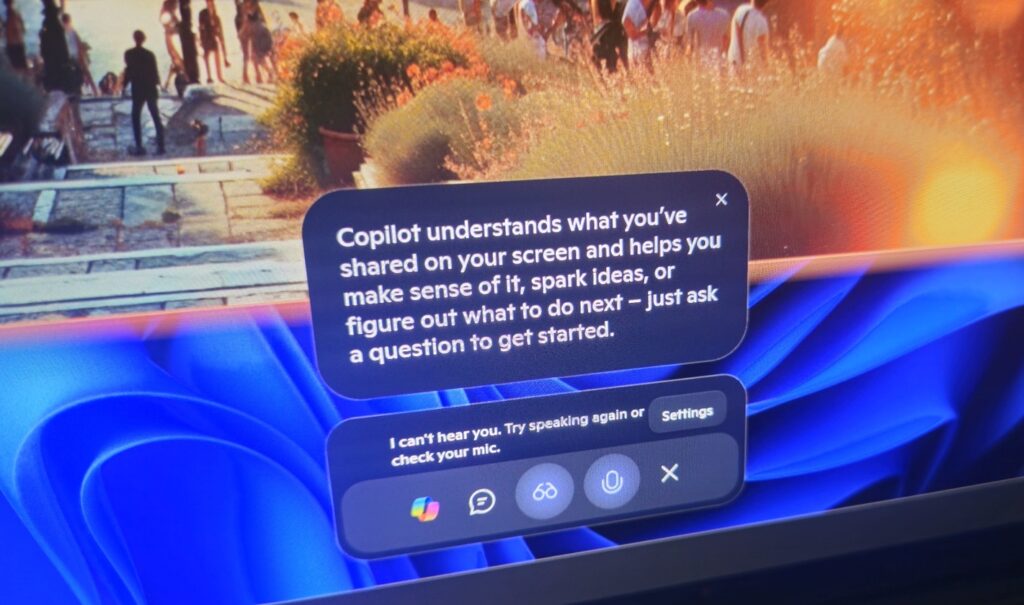
For nearly two years, Microsoft’s master playbook for artificial intelligence monetization followed a singular, uncompromising rule: force adoption at the kernel and interface levels. Across the globe, hundreds of millions of Windows 11 users booted up their workstations only to find the tech giant’s flagship generative AI assistant, Copilot, baked directly into the operating system's foundational workflows—most notably, the primary taskbar search interface. What Redmond executives heralded as a visionary leap toward ambient computing, however, quickly devolved into a masterclass in user alienation.
Today, following mounting pressure from enterprise Chief Information Officers (CIOs), power users, and regulatory watchdogs, Microsoft has learned a costly lesson. In an unprecedented retreat from its maximalist deployment strategy, the company has formally announced a paradigm shift: Copilot will no longer be shoved down the user’s throat. Instead, upcoming Windows 11 builds will transition the AI companion into an entirely optional, modular addition within the search UI. For investors tracking software-as-a-service (SaaS) metrics and enterprise adoption curves, this capitulation marks a critical juncture in how big tech must balance aggressive infrastructure scalability with consumer sovereignty.
The Anatomy of an Overreach: How Forced AI Eroded Trust
Test Our Free AI & Tech Utilities Suite
Calculate LLM API token costs, analyze article dwell-time, or simulate tech DCA returns.
The genesis of the current crisis traces back to Microsoft’s historic capital allocation pivot toward generative AI, supercharged by its multi-billion-dollar partnership with OpenAI. Eager to justify staggering capital expenditures on custom silicon, data center expansion, and massive LLM training runs, leadership demanded immediate user engagement metrics. The logic was simple: integrate Copilot directly into the OS shell—the Taskbar, Edge browser, Office suite, and Windows Search—to guarantee immediate, ubiquitous reach.
However, this aggressive deployment strategy violated the unwritten social contract of enterprise and consumer operating systems. Windows 11 users searching for local files, system settings, or cached documents were suddenly rerouted or subjected to web-based AI prompts. For enterprise organizations bound by strict data governance frameworks, security protocols, and compliance mandates, the unvetted, automatic presence of an internet-connected LLM interface inside local search tools created an immediate risk mitigation nightmare.
IT administrators reported a surge in support tickets, productivity drag, and user friction. Endpoint performance—historically a core pillar of Windows market dominance—was impacted by background resource consumption required to keep AI models primed for instant invocation. The market response was swift. Rather than accelerating organic enterprise adoption, forced integration catalyzed user churn, spurred migration toward rival operating systems, and invited intense scrutiny from antitrust regulators monitoring monopolistic bundling practices.
Infrastructure Scalability Meets Market Reality
From a financial perspective, Microsoft’s pivot reflects a mature understanding of cloud compute architecture realities. Running inference at scale for over a billion active Windows devices demands astronomical operational expenditure (OpEx). When forced integration drives low-intent or dormant usage—users who invoke Copilot accidentally or reject it outright—the return on invested capital plummets.
| Strategic Dimension | Previous Mandate (2023–2024) | New Optional Paradigm (2025+) |
|---|---|---|
| Search UI Integration | Hard-coded, mandatory entry points | Modular, user-controlled toggle |
| Enterprise Control | Complex Group Policy overrides required | Native opt-in/opt-out defaults |
| Compute Resource Allocation | Maximalist background polling | Demand-driven, efficient scaling |
| Regulatory & Compliance Risk | High exposure to bundling scrutiny | Mitigated via genuine user choice |
By shifting to an optional addition model, Microsoft is rationalizing its infrastructure expenditure. Instead of subsidizing idle or rejected AI queries across the entire global device footprint, the company can concentrate high-value cloud resources on paying enterprise customers and enthusiastic consumers who explicitly opt into advanced tiers like Copilot Pro and Microsoft 365 Copilot. This transition aligns operational metrics with sustainable revenue generation rather than vanity engagement numbers.
Industry and Market Implications
The decision to decouple Copilot from the Windows 11 Search UI sends powerful shockwaves across the technology sector. For institutional investors, this move signals a maturation phase in the generative AI super-cycle. The era of unchecked, "growth-at-all-costs" product deployment is yielding to disciplined, customer-centric execution.
- Enterprise Buyers Win: Corporate IT departments regain granular control over endpoint environments, eliminating unauthorized data leakage vectors and ensuring seamless regulatory compliance.
- Competitors Forced to Pivot: Rival operating system vendors and productivity software startups can no longer attack Microsoft purely on anti-competitive bundling grounds, raising the bar for pure-play software quality and user experience.
- Valuation Multiples Protected: By proactively addressing user dissatisfaction and regulatory exposure, Microsoft reduces systemic downside risk, stabilizing its long-term valuation multiples in volatile macroeconomic climates.
Frequently Asked Questions (People Also Ask)
Why is Microsoft changing its Copilot strategy in Windows 11?
Microsoft is responding to intense backlash from enterprise clients, individual users, and regulatory bodies who criticized the forced, unremovable integration of AI features into core OS workflows like the Search UI. The pivot aims to restore user trust and improve system performance.
Will Copilot be completely removed from Windows 11?
No. Copilot remains a core strategic pillar for Microsoft. However, upcoming updates will transition it from a mandatory, hard-coded fixture in the search bar to an optional, modular addition that users and IT administrators can enable or disable at will.
How does this policy shift impact enterprise IT administrators?
Enterprise CIOs and IT admins will experience significantly reduced friction when deploying new Windows 11 builds. They will no longer need complex Group Policy workarounds to strip unwanted AI interfaces from corporate endpoints, simplifying data governance and compliance.
What are the financial implications for Microsoft's cloud infrastructure?
By eliminating forced, low-intent usage across hundreds of millions of passive devices, Microsoft can optimize its data center compute architecture and reduce unnecessary inference costs, focusing resources on high-margin, paying subscribers.
Future Outlook and Key Milestones to Watch
As Microsoft transitions its flagship operating system toward this new optionality framework, market observers will closely monitor upcoming Windows Insider preview builds and official rollout schedules. The success of this pivot will be measured not just by user sentiment recovery, but by how effectively Redmond can upsell advanced AI capabilities to a willing, rather than captive, audience.
Key milestones for institutional investors and tech analysts to watch include the upcoming quarterly earnings calls, where executive commentary regarding cloud gross margins and enterprise Copilot seat growth will provide definitive proof of the strategy's financial viability. If Microsoft successfully proves that optionality drives healthier, higher-converting engagement, it could establish a new industry benchmark for artificial intelligence monetization—proving once and for all that in software, empowering the user ultimately yields superior long-term returns.