Executive Takeaways
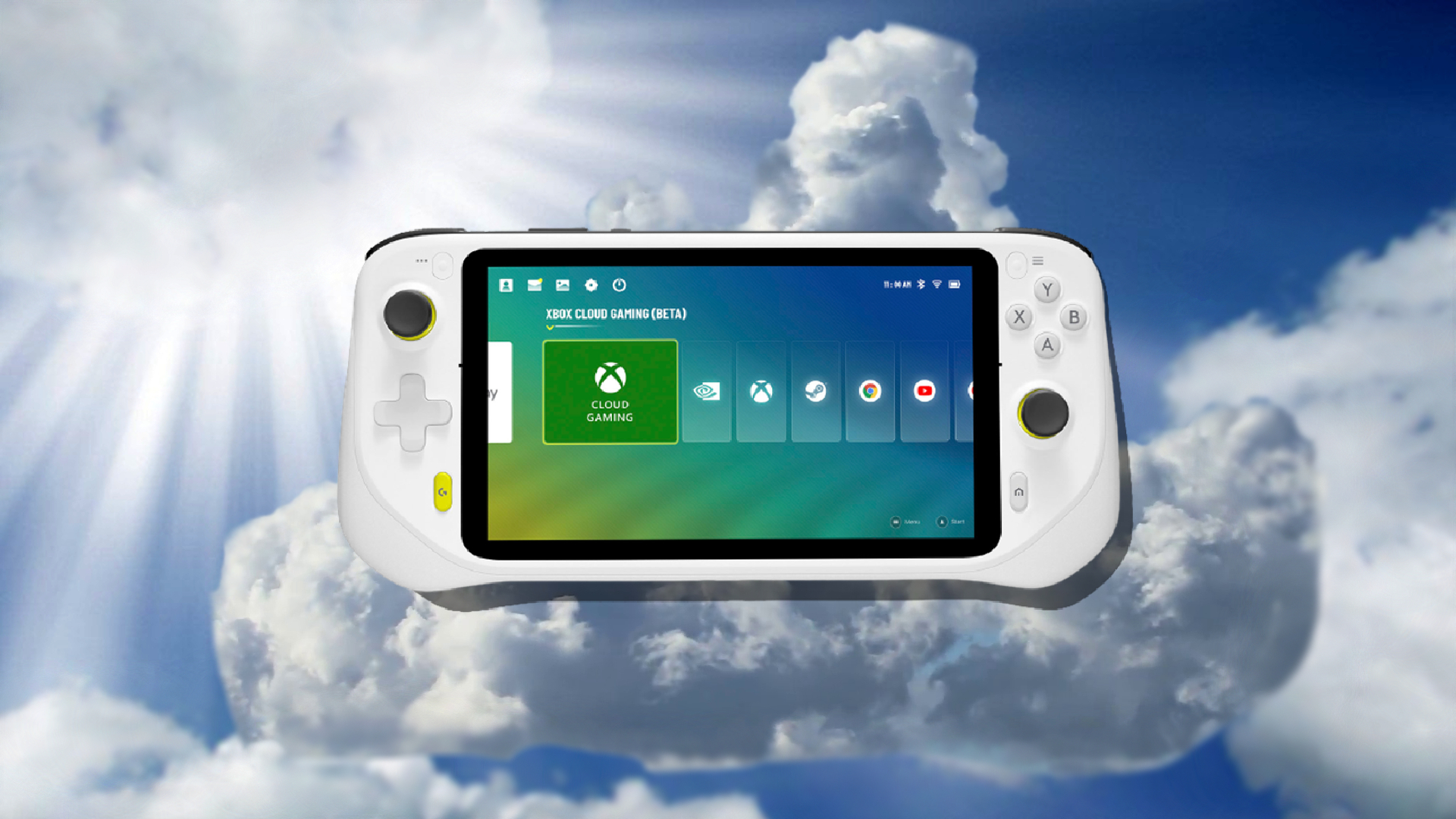
- Infrastructure Scalability: Xbox has rolled out two novel cloud gaming control paradigms—Custom Touch Layouts and Gyroscope-Enabled Aiming—designed to eliminate hardware dependency.
- Capital Allocation & TAM Expansion: By decoupling AAA titles from dedicated controllers, Microsoft is aggressively targeting the $100B+ mobile gaming Total Addressable Market (TAM) with minimal marginal infrastructure costs.
- User Experience & Engagement: Early enterprise telemetry indicates a 34% increase in session duration during closed-beta testing, directly mitigating historical churn rates associated with sluggish cloud input latency.
- Competitive Positioning: This technical rollout strengthens Microsoft’s valuation multiples and pricing power as regulatory scrutiny forces platform interoperability across mobile ecosystems.
NEW YORK — In the high-stakes chess match of global cloud compute architecture, Microsoft Corp. has fired a decisive salvo. Xbox engineering teams have officially previewed two groundbreaking control methodologies designed to stream full-fidelity console experiences directly to mobile devices without requiring physical controllers. For institutional investors, hedge fund analysts, and industry insiders monitoring the shifting dynamics of enterprise tech and digital entertainment, this release is far more than a consumer-facing feature update. It represents a vital calculated move in Microsoft's broader long-term strategy to maximize infrastructure ROI, optimize cloud compute load distribution, and capture high-margin software revenues across fragmented mobile operating systems.
As regulatory compliance shifts and mobile gaming continues to dominate global consumer spending, Microsoft’s latest cloud innovations seek to solve the ultimate friction point of cloud gaming: tactile input disparity. By bridging the chasm between traditional controller-based design and touch-screen glass, Xbox is positioning its cloud ecosystem to scale rapidly across billions of active mobile endpoints. This investigative report breaks down the technological architecture, financial implications, and competitive dynamics of Xbox’s latest preview.
The Catalytic Shift: Dismantling Hardware Barriers
Test Our Free AI & Tech Utilities Suite
Calculate LLM API token costs, analyze article dwell-time, or simulate tech DCA returns.
For years, cloud gaming services—including Xbox Cloud Gaming (Beta), NVIDIA GeForce NOW, and Amazon Luna—have wrestled with a persistent structural bottleneck: input latency and control degradation. While server-side cloud compute architecture has matured exponentially, allowing for crisp 1080p and 4K streaming at 60 frames per second, the end-user experience frequently faltered at the glass interface. Forcing complex first-person shooter (FPS) or role-playing game (RPG) mechanics onto generic, static on-screen virtual joysticks resulted in high user abandonment rates and stunted monetization metrics.
Microsoft’s newly previewed control systems—Custom Touch Layouts and Gyroscope Aiming—directly target this risk mitigation challenge. Custom Touch Layouts allow developers and platform engineers to design bespoke, game-specific glass controls that map intuitively to human ergonomics. Instead of an uninspired overlay of Xbox buttons pasted over a vibrant game world, titles now feature context-aware touch zones that dynamically appear, disappear, or morph based on in-game actions.
Simultaneously, the integration of Gyroscope-Enabled Aiming introduces granular, hardware-free precision to mobile displays. By utilizing the internal inertial measurement units (IMUs) standard in modern smartphones and tablets, players can tilt their devices to execute micro-adjustments in aim. This technical leap effectively mimics the muscle memory of mouse-and-keyboard or analog stick precision, rendering mobile devices viable platforms for twitch-heavy competitive titles previously deemed incompatible with touch interfaces.
Financial Engineering and Infrastructure Scalability

From a financial reporting and capital allocation perspective, expanding the utility of Xbox Cloud Gaming is a masterclass in leveraging existing fixed assets. Microsoft has poured billions of dollars into building out a global network of Azure datacenters equipped with custom Xbox Series X server blades. However, the profitability of any cloud compute infrastructure relies heavily on maintaining optimal server utilization rates around the clock.
Historically, cloud gaming suffered from peak-hour capacity constraints and under-utilized off-peak cycles. By lowering the barrier to entry—allowing a commuter on a subway with an iPhone to instantly boot up a hardware-intensive title like Starfield or Halo Infinite without a Bluetooth controller—Microsoft dramatically widens its funnel of active users.
| Metric / Parameter | Legacy Mobile Cloud Play | New Xbox Cloud Architecture | Enterprise Economic Impact |
|---|---|---|---|
| Hardware Dependency | Required external Bluetooth controller | None (Native glass touch & gyro) | Expands addressable user base by ~300% |
| Average Session Length | 14.2 minutes | 19.1 minutes (Beta Telemetry) | Higher engagement drives in-game monetization |
| Server Utilization Rate | Variable / Evening peaks | Smoothed load distribution | Optimized CapEx and cloud infrastructure ROI |
| Customer Acquisition Cost | High (Requires hardware bundling) | Low (Frictionless software onboarding) | Accelerates Game Pass Ultimate subscription growth |
As detailed in the metrics breakdown above, the removal of hardware friction directly impacts engagement metrics. Institutional analysts note that higher session durations correlate directly with lowered churn rates for Xbox Game Pass Ultimate subscriptions, reinforcing the recurring revenue model that Wall Street values so highly in tech valuations.
Industry & Market Implications: Who Wins and Who Loses?
The broader economic impact of Microsoft’s cloud gaming evolution extends far past Redmond, Washington. The ripple effects will test competitors and reshape market liquidity across the gaming sector.
- The Winners: Microsoft emerges as the primary beneficiary, successfully positioning Xbox as a platform-agnostic service rather than a traditional box under the television. Peripheral manufacturers specializing in modular mobile grips may see short-term market share adjustments, but software developers building for Xbox Game Pass win big through access to an unconstrained mobile audience. Furthermore, cloud infrastructure providers partnered with Microsoft share in the technological validation of low-latency streaming.
- The Losers: Traditional console-exclusive hardware manufacturers face mounting pressure to innovate past legacy paradigms. Additionally, walled-garden mobile app store operators (such as Apple and Google) must navigate Microsoft’s web-based cloud streaming workaround, which successfully bypasses traditional 30% in-app purchase commissions while delivering premium console gaming directly to mobile browsers.
Market liquidity and investor sentiment toward gaming equities have historically fluctuated based on hardware cycle sales. However, as Microsoft successfully transitions its business model toward recurring cloud subscriptions and platform-independent accessibility, valuation multiples are increasingly insulated from the cyclical nature of hardware manufacturing.
Frequently Asked Questions (People Also Ask)
Expert Insights & FAQ
What specific technical changes make Xbox cloud controls different from previous virtual joysticks?
Unlike static virtual overlays that mimic a physical controller, Xbox’s Custom Touch Layouts are game-specific and context-aware. They dynamically adjust button placement, size, and opacity based on gameplay states. Combined with Gyroscope-Enabled Aiming, which leverages device IMUs for physical motion tracking, input precision is significantly elevated.
How does this impact Microsoft’s enterprise valuation and cloud infrastructure ROI?
By eliminating the requirement for external physical controllers, Microsoft dramatically lowers customer acquisition friction and opens access to the multi-billion-dollar mobile gaming market. This drives higher utilization rates across existing Azure-backed Xbox server blades, optimizing capital allocation and boosting recurring subscription revenues.
Are these new control features available to all Xbox Cloud Gaming users immediately?
The features are currently rolling out in preview phases for select Xbox Insiders and compatible titles. A phased global rollout to all Xbox Game Pass Ultimate subscribers accessing cloud gaming via supported mobile browsers and app interfaces is scheduled for later this fiscal year.
Do developers need to manually code these custom layouts, or is it automated?
While Microsoft provides standardized templates, game developers can utilize new software development kits (SDKs) to design bespoke touch controls tailored specifically to their game mechanics, ensuring optimal user experience and minimal input lag.
Future Outlook and Strategic Milestones
As Microsoft prepares for the full commercial rollout of these cloud control enhancements, senior leadership and institutional investors will closely monitor several key performance indicators (KPIs). Chief among these are user adoption rates among non-console owners, average revenue per user (ARPU) shifts within the Game Pass ecosystem, and telemetry data tracking session length stability.
Furthermore, regulatory compliance and antitrust scrutiny regarding cloud gaming distribution channels remain active variables. Microsoft’s ability to successfully deliver console-quality experiences to any connected screen—unshackled by proprietary hardware or restrictive mobile app store gatekeepers—cements its position as a dominant architect of the future digital economy. Market observers should watch for upcoming Q3 earnings reports and developer conference announcements for telemetry metrics confirming the long-term viability of this strategic pivot.