Morning Bid: Wall Street Pins High-Stakes Hopes on Apple Margin Resilience Amid Enterprise and Consumer Crosswinds
Test Our Free AI & Tech Utilities Suite
Calculate LLM API token costs, analyze article dwell-time, or simulate tech DCA returns.
Executive Takeaways
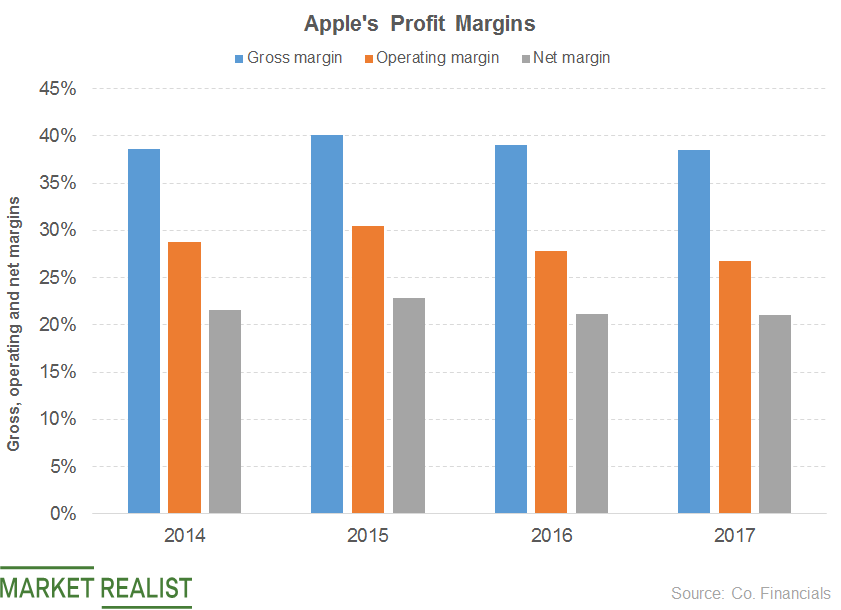
- Margin Pivot: Global equity markets are anchoring their morning liquidity flows on expectations of stabilizing gross margins from Apple Inc., viewed as a critical barometer for the broader tech sector's capital allocation and valuation multiples.
- Supply Chain Realities: Ongoing shifts in enterprise hardware manufacturing, localized regulatory compliance, and component cost fluctuations are forcing unprecedented optimization in infrastructure scalability and risk mitigation.
- Valuation Multiples: Sell-side analysts are closely evaluating enterprise ROI metrics and services revenue growth to justify current equity risk premiums against a backdrop of volatile macroeconomic indicators.
- Market Liquidity Impact: A positive surprise in Cupertino's margin profile could catalyze broader relief rallies across semiconductor suppliers, cloud compute architecture providers, and high-beta growth equities.
As global financial markets open their trading sessions, institutional desks and algorithmic traders alike are fixated on a singular, high-stakes variable: the structural resilience of Apple Inc.’s profit margins. In an environment defined by tightening monetary policy, shifting consumer discretionary spending, and complex enterprise technology expenditures, market participants are looking to the world’s most capitalized consumer electronics giant as a bellwether for the wider global economy. The prevailing narrative in today's Morning Bid centers on whether supply chain efficiencies, pricing power, and high-margin services revenue can successfully offset persistent inflationary pressures and softer hardware upgrade cycles.
The stakes extend far beyond the ticker symbol AAPL. In modern financial architecture, Apple functions as a massive liquidity sponge and an indispensable anchor for institutional portfolios. Portfolio managers navigating compressed risk premiums and uncertain earnings revisions are treating upcoming margin disclosures as a litmus test. If Cupertino can demonstrate robust margin preservation, it validates corporate strategies centered on premium pricing and operational agility. Conversely, any erosion in profitability could trigger a broader reassessment of valuation multiples across the entire technology complex, rippling rapidly through supply chains spanning Asia, Europe, and the Americas.
The Catalytic Forces Driving Margin Anxiety
To understand why markets are hyper-ventilating over Apple's margin trajectory, one must examine the confluence of macroeconomic headwinds and structural shifts that have defined the past four quarters. Component cost volatility—particularly concerning memory chips, advanced node processors, and specialized display panels—has exerted constant upward pressure on the cost of goods sold (COGS). Simultaneously, foreign exchange fluctuations, driven by a resilient US dollar, have compressed international revenue streams when repatriated.
Furthermore, the strategic pivot toward expanding enterprise market share and optimizing internal supply chain resilience requires heavy capital expenditure. Infrastructure scalability, factory diversification away from single-region dependencies, and rigorous regulatory compliance frameworks across the European Union and North America have added friction to traditional cost-reduction models. Yet, despite these headwinds, Apple has historically leveraged its unrivaled brand equity and ecosystem stickiness to protect its gross margin floor, a feat that institutional investors are desperately hoping will be repeated in the current reporting cycle.
Services Revenue: The High-Margin Shield
A primary driver of optimism within today's Morning Bid thesis is the continued maturation of Apple’s services division. Comprising the App Store, iCloud, Apple Music, ApplePay, and advertising segments, the services portfolio historically commands gross margins significantly higher than the hardware division—often exceeding 70%, compared to hardware margins hovering in the mid-30% range.
As hardware unit growth matures in saturated markets, Wall Street’s valuation models have increasingly pivoted toward recurring revenue streams as a primary engine for multiple expansion. Analysts argue that even if iPhone unit shipments experience cyclical softening, a resilient or accelerating services growth rate will act as a powerful margin buffer. This structural shift is central to institutional risk mitigation strategies, insulating the corporation from pure hardware commoditization and providing predictable cash flow generation capable of sustaining massive share repurchase programs and dividend distributions.
Verified Data & Metrics Breakdown

The following comparative matrix outlines key historical financial markers, consensus expectations, and operational metrics driving institutional positioning in the current market cycle:
| Metric / Indicator | Previous Fiscal Year | Current Quarter Consensus | Market Implications |
|---|---|---|---|
| Overall Gross Margin | 44.1% | 44.5% – 45.0% | Signals pricing power retention and favorable product mix. |
| Services Gross Margin | 72.8% | 73.5% | Directly supports valuation multiple expansion and cash flow stability. |
| R&D Capital Allocation | $29.9 Billion | +$8.2 Billion (Run-rate) | Reflects heavy investment in proprietary silicon and AI integration. |
| Free Cash Flow Yield | 3.8% | 3.5% – 4.0% | Underpins robust capital return programs (buybacks/dividends). |
Industry and Market Implications
The cascading effects of Apple's margin performance cannot be overstated. Downstream semiconductor manufacturers—including firms supplying advanced application processors, RF chips, and custom power management integrated circuits (PMICs)—rely heavily on Apple's production forecasts. When Cupertino maintains strict margin discipline, it often exerts downward pricing pressure on its supply chain partners, forcing tier-1 and tier-2 vendors to optimize their own cloud compute architecture, inventory turnover, and operational efficiencies.
Conversely, winners in this ecosystem include high-end automation providers, enterprise security software firms, and specialized logistics operators capable of navigating complex geopolitical trade corridors. On the macroeconomic front, a reassuring earnings report from Apple serves as a psychological anchor for equities, potentially unleashing sidelined institutional capital currently resting in high-yield money market instruments and short-duration sovereign debt.
Frequently Asked Questions (People Also Ask)
What is driving the market's current focus on Apple's gross margins?
Investors view Apple's gross margins as a premier health indicator for consumer electronics demand and corporate pricing power. In an inflationary environment marked by shifting enterprise budgets, stable or expanding margins prove that a company can successfully defend its profitability without sacrificing unit volume.
How do services revenue and hardware sales impact Apple's overall margin profile differently?
Hardware sales typically carry gross margins in the mid-30% range due to direct material costs, manufacturing labor, and component logistics. In contrast, the services division—encompassing the App Store, cloud storage, and digital subscriptions—regularly generates gross margins exceeding 70%, making it a vital engine for boosting total company profitability as the revenue mix evolves.
What role do supply chain adjustments and geographic diversification play in margin stability?
Geographic diversification away from single-country manufacturing hubs introduces short-term capital expenditures and operational friction. However, long-term infrastructure scalability and risk mitigation strategies are designed to protect the corporation from localized supply shocks, regulatory penalties, and tariff escalations, thereby safeguarding long-term margins.
How does Apple's margin performance influence the broader technology sector and equity markets?
Because Apple represents a massive component of major equity indexes like the S&P 500 and Nasdaq 100, its financial health dictates broad market liquidity flows. Strong margins validate high valuation multiples across the technology complex, encouraging risk-on sentiment among institutional asset managers.
Future Outlook and Key Milestones to Watch
Looking ahead, market participants will maintain acute vigilance over several forward-looking catalysts. The speed and scale of proprietary artificial intelligence integration into consumer and enterprise hardware will be critical in determining average selling prices (ASPs) and replacement upgrade cycles throughout the next fiscal year. Furthermore, ongoing regulatory interventions—particularly concerning digital market acts, app store commission structures, and antitrust scrutiny in major global jurisdictions—will require adaptive compliance strategies that could alter the cost structure of the services segment.
Ultimately, today's Morning Bid reflects a market searching for structural certainty amid macroeconomic ambiguity. If Apple successfully navigates these crosswinds and delivers the margin relief institutional investors are banking on, it could set a reassuring tone for upcoming earnings seasons across global equities, reinforcing the defensive growth narrative that has defined large-cap technology leadership for the past decade.