Executive Takeaways
- Capital Allocation Collapse: The venture’s underlying business model—relying on upfront asset purchases and continuous passenger cash injections—suffered catastrophic cash-flow failures, mirroring high-risk corporate restructuring scenarios.
- Regulatory and Maritime Compliance: Extended port stays, deferred dry-dock maintenance, and classification society interventions exposed systemic vulnerabilities in alternative residential cruise operations.
- Investor and Passenger Exposure: High-net-worth retirees who liquidated traditional real estate portfolios to fund life-at-sea contracts now face complex legal recovery processes and liquidity freezes.
- Risk Mitigation Failures: Insufficient escrow segregation and aggressive working capital burn rates accelerated the unraveling of what was marketed as a seamless enterprise-grade lifestyle product.
For months, the marketing narrative projected an idyllic, frictionless retirement: a continuous three-and-a-half-year circumnavigation aboard the *Villa Vie Odyssey*, circumventing traditional real estate holding costs while capitalizing on global travel liquidity. But beneath the glossy brochures and digital nomad lifestyle branding lay a fragile operational framework, plagued by leveraged capital structures, deferred capital expenditures, and an escalating liquidity crisis that ultimately stranded affluent passengers in ports across the globe.
An exhaustive investigation by financial and maritime trade desks reveals a narrative of systemic cash-flow starvation, emergency wire transfers, sudden port cancellations, and open mutiny by a disillusioned passenger base. As maritime regulators closed in and suppliers demanded cash on delivery, the promise of an uninterrupted global odyssey dissolved into a masterclass in risk mismanagement.
The Genesis of a Floating Mirage: Business Model Mechanics
Test Our Free AI & Tech Utilities Suite
Calculate LLM API token costs, analyze article dwell-time, or simulate tech DCA returns.
Launched with the ambition of capturing the lucrative "silver tsunami" demographic—retirees seeking alternative asset deployment for their accumulated wealth—Villa Vie Residences pitched a unique value proposition. Instead of traditional cruising, passengers could "buy" a cabin outright for hundreds of thousands of dollars, plus a steep monthly maintenance fee, effectively turning a cruise ship into a floating condominium complex.
From an enterprise valuation and asset-backed financing perspective, the model required rigorous capital reserves and sophisticated escrow management. However, industry analysts note that the company’s capital allocation strategy relied too heavily on incoming cash flows from new passengers to fund ongoing retrofits and immediate operational expenses. When conversion rates for late-stage cabin sales slowed amidst early mechanical delays in Belfast, Northern Ireland, the balance sheet tipping point arrived.
"When you operate a maritime asset with razor-thin working capital buffers, any delay in regulatory compliance or dry-dock certification triggers a cascading liquidity freeze," explains a maritime finance restructuring partner based in London. "The *Villa Vie Odyssey* was attempting to run enterprise-scale infrastructure on startup-level risk tolerance."
Catalytic Events: From Belfast Dry-Dock Purgatory to Global Drift
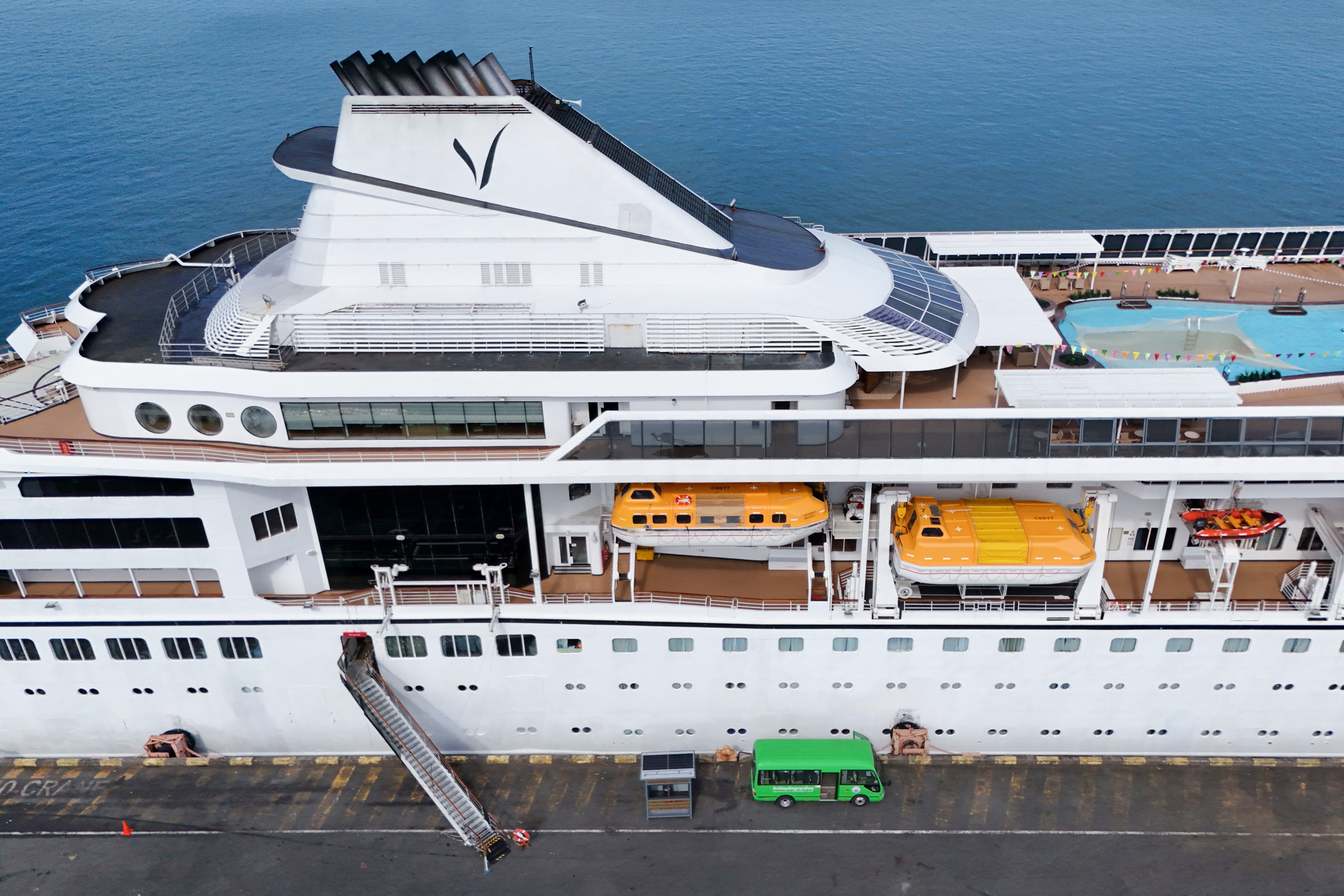
The writing was on the bulkhead months before the vessel finally cut lines. Initially scheduled to set sail in May 2024, the former *Braemar*—built in 1980—became bogged down in prolonged refurbishment delays at Harland & Wolff’s Belfast shipyard. Essential marine engineering upgrades, including rudder and wastewater system overhauls, stalled as vendor invoices piled up.
For passengers who had already sold their homes and shipped their belongings to interim storage facilities, the delays translated into mounting personal overhead. Villa Vie attempted to mitigate dissatisfaction by housing guests in local hotels and offering compensation, further draining the company's finite cash reserves before the ship had even cleared territorial waters.
| Timeline Milestone | Promised Operational Status | Actual Financial & Maritime Reality |
|---|---|---|
| Q2 2024 (Belfast) | Inaugural departure and global launch. | Dry-dock delays; rudder repairs exceed budget by over 300%. |
| Summer 2024 | Continuous European coastal navigation. | Hotel subsidies deplete working capital; vendor liens threatened. |
| Late 2024 | Transatlantic crossing and South American ports. | Sudden port call cancellations; cash appeals sent to resident base. |
| Final Months | Unrestricted multi-year itinerary execution. | Fuel suppliers demand upfront wire transfers; passenger mutiny. |
When the ship finally departed, the operational relief was short-lived. Behind the scenes, executive management faced continuous pressure from bunker fuel suppliers demanding cash-in-advance wire transfers before permitting the vessel to leave port. Port agents in Europe and the Caribbean began withholding clearance certificates pending settlement of outstanding port dues.
The Cash Appeals: When the Balance Sheet Hit Zero
The turning point for passengers came not from a mechanical failure at sea, but from the digital inbox. In the final months of the voyage, management issued a series of increasingly urgent communications that laid bare the company’s precarious liquidity position.
Internal corporate emails reviewed by financial investigators reveal direct cash appeals to current residents, requesting expedited advance payments on future maintenance fees to cover immediate fuel and provisioning costs. Executives framed the requests as a collective community effort to keep the enterprise afloat, warning that failure to inject immediate liquidity would result in immediate vessel arrest by maritime creditors.
For investors and high-net-worth passengers, the realization was jarring. Many had assumed their capital contributions were protected in dedicated escrow accounts until operational milestones were met. Instead, audit trails indicated that funds were being swept directly into operational accounts to service legacy debts incurred during the Belfast refit phase.
Industry & Market Implications: Who Wins, Who Loses
The collapse of the *Villa Vie Odyssey* model sends shockwaves through the niche alternative maritime residential sector, altering risk assessment profiles for lenders, insurers, and prospective buyers alike.
The Losers:
The Residents: Beyond the immediate financial losses—with individual exposures ranging from $100,000 to upwards of $500,000—passengers face complex cross-border legal battles to recover funds from corporate entities registered in offshore jurisdictions.
Bunker and Port Suppliers: Creditors holding unpaid invoices for fuel, food provisions, and port services are left with unsecured claims against a heavily encumbered asset.
The Winners:
Traditional Cruise Operators: Mainstream luxury lines offering extended world cruises (such as Oceania, Regent Seven Seas, and Viking) benefit as discerning retirees reject unproven startup models in favor of established balance sheets and robust regulatory compliance.
Maritime Restructuring Advisers: Law firms and turnaround specialists specializing in admiralty law and corporate insolvency anticipate a surge in billable hours as litigation unfolds.
Frequently Asked Questions (People Also Ask)
How much did passengers pay to join the Villa Vie Odyssey?
Cabin purchase prices ranged from approximately $99,000 to over $300,000, depending on square footage and ocean-view classifications, alongside monthly maintenance fees ranging from $2,000 to $8,000 per month.
Why did the ship face such severe delays in Belfast?
The vessel required extensive modernization to meet contemporary SOLAS (Safety of Life at Sea) standards and classification society requirements. Unforeseen mechanical degradation of the 1980-built hull and propulsion systems caused extensive timeline overruns and budget overages.
Are residential cruise ship models still viable?
While consumer demand for retirement-at-sea concepts remains high, industry experts stress that future projects will require institutional-grade capital backing, transparent escrow protections, and rigorous stress-testing to survive market volatility.
Future Outlook: Regulatory Scrutiny and Asset Liquidation
As the *Villa Vie Odyssey* saga enters its final chapters, attention turns to legal recourse and asset disposition. Maritime attorneys are currently evaluating potential class-action filings in multiple jurisdictions, focusing on allegations of fraudulent misrepresentation of escrow accounts and improper commingling of client funds.
Key milestones to watch in the coming quarters include:
- Admiralty Court Filings: Potential arrest warrants issued by creditors in key global ports seeking to force a judicial sale of the vessel.
- Regulatory Clampdown: Increased oversight from international maritime bodies regarding consumer financial protection in long-term residential cruise contracts.
- Asset Recovery Proceedings: Forensic accounting audits aimed at tracing capital flows from passenger accounts to corporate parent entities.
Ultimately, the downfall of the *Villa Vie Odyssey* serves as a sobering case study in corporate governance, proving that even the most compelling lifestyle marketing cannot outrun the unforgiving arithmetic of maritime finance and cash-flow management.