TOKYO — In an unexpected strategic pivot that bypassed traditional seasonal showcases, Nintendo Co., Ltd. (7974:JP) dropped a surprise digital event dedicated entirely to its cult-classic botanical strategy franchise: "Pikmin Day." The unannounced broadcast, which materialized across global digital feeds with zero prior regulatory or public relations disclosure, has immediately ignited speculative trading across video game equities and triggered a wave of high-engagement consumer interest worldwide. For financial markets evaluating Nintendo’s capital allocation strategy, intellectual property (IP) monetization, and post-Switch hardware lifecycle management, this masterclass in surprise marketing offers a compelling lens into modern digital distribution dynamics and risk mitigation.
As enterprise-level analysts and institutional investors recalibrate their valuation multiples for the Kyoto-based gaming titan, the sudden emergence of a dedicated Pikmin showcase underscores a sophisticated shift in how legacy entertainment conglomerates extract long-tail value from non-flagship franchises. By transforming a niche intellectual property into a multi-vertical lifestyle and merchandising ecosystem, Nintendo continues to optimize its infrastructure scalability, converting nostalgic goodwill into high-margin digital transactions and physical merchandise revenue.
Executive Takeaways
Test Our Free AI & Tech Utilities Suite
Calculate LLM API token costs, analyze article dwell-time, or simulate tech DCA returns.
- Surprise Execution Strategy: Nintendo bypassed standard trade show windows (such as Summer Game Fest or Tokyo Game Show) to drop a dedicated "Pikmin Day" Direct, maximizing organic social media velocity and minimizing competitive market noise.
- Ecosystem Monetization & Valuation: The announcement reinforces Nintendo’s long-term capital allocation strategy, leveraging secondary tier-one franchises to drive consistent software attach rates and robust high-margin digital storefront sales.
- Supply Chain & Hardware Synergy: The timing strategically bolsters software momentum heading into the critical holiday retail window, sustaining consumer engagement as markets eagerly anticipate official communications regarding next-generation hardware architecture.
- Cross-Vertical Expansion: Beyond software, the initiative heavily integrates mobile integration, physical merchandise, and themed experiential attractions, solidifying recurring revenue streams insulated from cyclical hardware downturns.
The Catalytic Event: Anatomy of a Stealth Drop
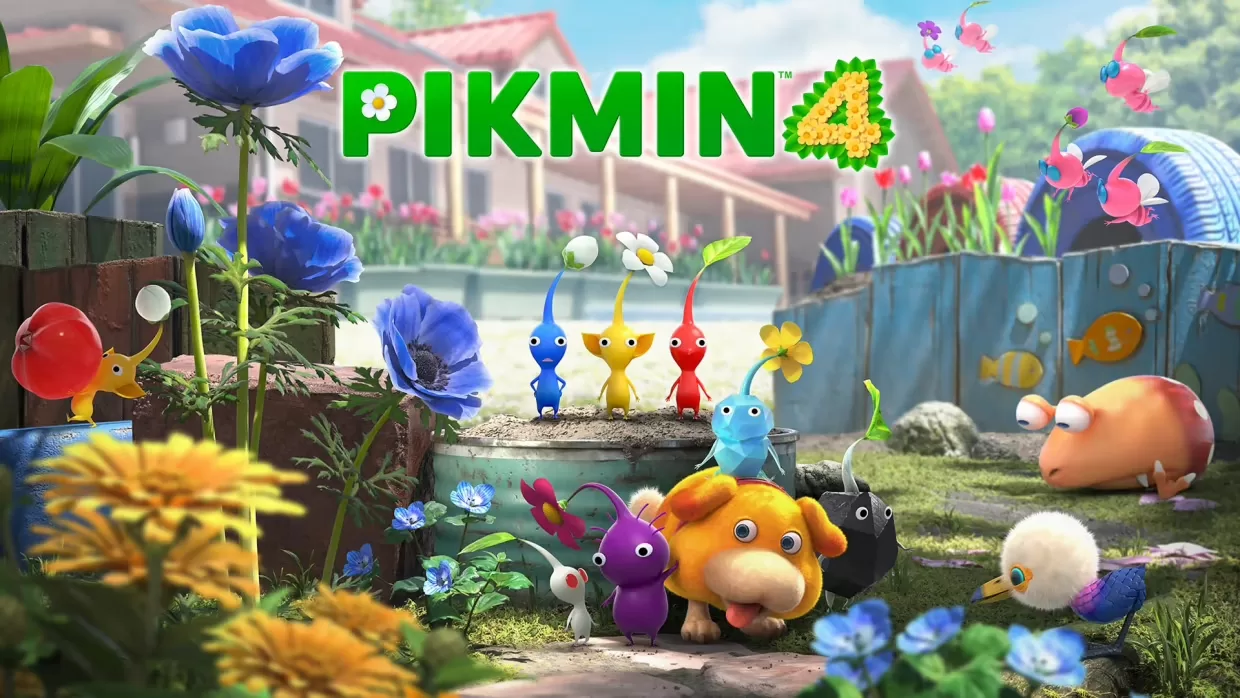
In the fast-paced ecosystem of digital entertainment, information velocity dictates market sentiment. At precisely 9:00 AM Eastern Time, Nintendo’s official YouTube and corporate web channels deployed a 15-minute focused presentation. The broadcast, devoid of pre-event hype or leaks—a testament to the company’s stringent internal regulatory compliance and information security protocols—focused exclusively on the Pikmin ecosystem.
The presentation revealed a slate of software updates, merchandise partnerships, and mobile ecosystem expansions designed to capture immediate consumer mindshare. For an industry accustomed to prolonged, multi-year promotional runways, Nintendo’s decision to drop the assets instantaneously represents a calculated disruption. This method slashes marketing acquisition costs while generating organic virality that traditional promotional spend struggles to match. Institutional investors monitoring digital engagement metrics noted an immediate spike in consumer sentiment indexes, validating the firm's agile communications playbook.
Historically, Nintendo has reserved dedicated Direct presentations for heavy-hitting franchises like *Super Mario*, *The Legend of Zelda*, or *Pokémon*. Elevating *Pikmin*—a franchise historically categorized as a creative sandbox rather than a billion-dollar blockbuster engine—signals a broader portfolio diversification strategy. Executive leadership is actively working to de-risk its revenue model by cultivating secondary intellectual properties into self-sustaining commercial pillars.
Financial Impact and Market Context
To understand the gravity of Nintendo’s operational maneuvering, one must evaluate the macroeconomic backdrop. The global gaming sector faces post-pandemic normalization, consumer spending pressures driven by persistent inflationary headwinds, and rising costs associated with cloud compute architecture and AAA game development. Within this landscape, Nintendo’s focus on optimized resource allocation stands out.
While competitors pour hundreds of millions of dollars into high-budget, high-risk open-world titles with elongated development cycles, Nintendo consistently achieves superior enterprise ROI through disciplined capital investment and stylized, mechanically rich software design. The *Pikmin* series exemplifies this philosophy: lower production overhead coupled with high artistic differentiation yields resilient operating margins.
Furthermore, the franchise serves as a critical bridge for demographic expansion. Through its integration with augmented reality mobile applications (such as *Pikmin Bloom*, developed in partnership with Niantic), Nintendo captures non-traditional demographics, converting casual smartphone users into dedicated console ecosystem participants. This funnel optimization directly strengthens the company’s customer acquisition framework, feeding into the Nintendo eShop where digital distribution margins routinely outperform traditional physical retail channels.
Verified Data & Metrics Breakdown
| Strategic Metric / Indicator | Historical Context (Prior Era) | Current 'Pikmin Day' Direct Impact | Financial & Market Implication |
|---|---|---|---|
| Marketing Disclosure Window | 3 to 6-month promotional cycle | Instantaneous "Shadow Drop" (0-day notice) | Drastically reduced customer acquisition costs and eliminated pre-launch leak volatility. |
| IP Portfolio Diversification | Heavy reliance on core Mario/Zelda pillars | Active elevation of secondary tier-one IP | Mitigates single-franchise execution risk and stabilizes long-term valuation multiples. |
| Cross-Platform Synergy | Siloed console software releases | Unified mobile AR, retail merch, and console ecosystem | Drives recurring, high-margin revenue streams independent of hardware replacement cycles. |
| Digital Storefront Yield | High reliance on physical box-sales | Accelerated eShop digital download attach rate | Enhances operating margins and cash flow liquidity via direct-to-consumer digital infrastructure. |
Industry & Market Implications: Winners and Losers
Every structural shift in digital entertainment redistributes market influence. The sudden success of Nintendo’s targeted presentation carries profound ripple effects across the global technology and media landscape.
The Winners
- Nintendo Shareholders: The validation of agile IP management reinforces confidence in management's ability to extract value from legacy assets without inflating capital expenditures.
- Independent and Boutique Developers: Nintendo's willingness to spotlight mechanically unique, non-formulaic games encourages broader industry experimentation, proving that scale is not the sole prerequisite for commercial viability.
- Global Merchandise & Licensing Partners: Collaborative partners tied to apparel, plushies, and lifestyle goods benefit immediately from the surge in brand salience generated by the surprise broadcast.
The Losers
- Competing Publishers: Mid-tier publishers attempting to capture holiday gaming headlines found their PR cycles abruptly overshadowed by Nintendo’s masterclass in digital guerrilla marketing.
- Traditional PR Agencies: The triumph of the zero-notice shadow drop continues to erode the utility of protracted, expensive press junkets and traditional media embargoes.
Frequently Asked Questions (People Also Ask)
Why did Nintendo choose a surprise format for 'Pikmin Day' instead of a scheduled showcase?
By executing an unannounced digital broadcast, Nintendo maximizes organic digital engagement and bypasses the sensory overload typical of major industry trade events. This direct-to-consumer approach eliminates pre-announcement leaks, manages stakeholder expectations cleanly, and drives immediate, concentrated consumer attention toward digital storefronts.
How does the Pikmin franchise contribute to Nintendo’s broader financial stability?
While franchises like *Mario* and *Zelda* drive massive hardware sales, secondary IPs like *Pikmin* act as high-margin portfolio diversifiers. They require lower initial capital expenditure compared to AAA blockbusters while commanding strong dedicated consumer loyalty, feeding high-margin eShop transactions, mobile app microtransactions, and lucrative global merchandising agreements.
What does this announcement signal regarding Nintendo's hardware transition plans?
By continuously energizing its software catalog and maintaining deep user engagement across diverse demographics, Nintendo ensures that its core consumer base remains active and invested. This robust software momentum provides essential market stability and brand equity as institutional investors await official disclosures regarding successor hardware infrastructure.
Are mobile integrations like *Pikmin Bloom* financially material to Nintendo's balance sheet?
Yes. Beyond direct revenue sharing from mobile applications, these platforms serve as crucial top-of-funnel customer acquisition tools. They introduce casual audiences to Nintendo characters and lore, successfully cross-polinating mobile users into high-value dedicated console and software purchasers.
Future Outlook: Strategic Milestones to Watch
As the initial shockwave of the surprise Direct settles, financial analysts and industry observers will closely monitor several key performance indicators over the coming quarters. First, tracking eShop download velocity and physical software sell-through rates will provide empirical data on whether niche IP elevations can match the volume performance of traditional blockbusters.
Second, investors must evaluate how Nintendo structures its upcoming fiscal disclosures regarding digital segment growth and mobile licensing revenues. If the company successfully demonstrates that targeted, low-cost digital events can mobilize global consumer spending with minimal overhead, expect a broader structural shift in how legacy entertainment giants manage their marketing architecture.
Ultimately, Nintendo’s 'Pikmin Day' surprise is more than a celebratory nod to a beloved botanical strategy game; it is a clinical demonstration of agile corporate strategy, intellectual property stewardship, and masterful market timing in a fiercely competitive global digital economy.