In the high-stakes theater of global technology and capital allocation, few moments match the sheer gravitational pull of Nvidia’s latest financial disclosures. Reporting unprecedented top-line revenue, the Silicon Valley titan has once again defied gravity. At the absolute center of this historic expansion is the commercial rollout of its next-generation Blackwell GPU architecture—a platform that company executives confirm is now moving through manufacturing partner facilities at "full steam."
For institutional investors, hedge fund managers, and enterprise chief information officers, this milestone represents far more than a simple corporate beat on Wall Street consensus estimates. It signals a fundamental restructuring of global infrastructure spending. As hyperscale cloud providers race to secure scarce compute capacity, Nvidia’s supply chain execution, thermal engineering breakthroughs, and software ecosystem lock-in have created an economic moat of historic proportions.
The Catalytic Shift: Two Pillars of Global AI Adoption
According to comprehensive briefings and primary disclosures originating from wire services such as The Stack, Nvidia’s explosive trajectory is underpinned by two fundamental trends driving universal adoption across enterprise environments. First is the relentless scaling laws governing large language models (LLMs) and multi-modal generative artificial intelligence. Enterprises are no longer experimenting with localized proofs-of-concept; they are committing massive capital expenditures to train and deploy foundational models that demand petascale computing performance.
Second is the radical transformation of cloud compute architecture. Traditional central processing units (CPUs), once the undisputed workhorses of enterprise data centers, are hitting fundamental thermodynamic and architectural walls. Accelerated computing—pioneered and dominated by Nvidia—has become the de facto baseline for modern data centers. This paradigm shift requires a complete reimagining of server racks, liquid-cooling systems, and high-speed networking fabrics, positioning Nvidia not merely as a component supplier, but as the primary architect of the twenty-first-century digital economy.
Overcoming Manufacturing Hurdles: The Blackwell Ramp-Up
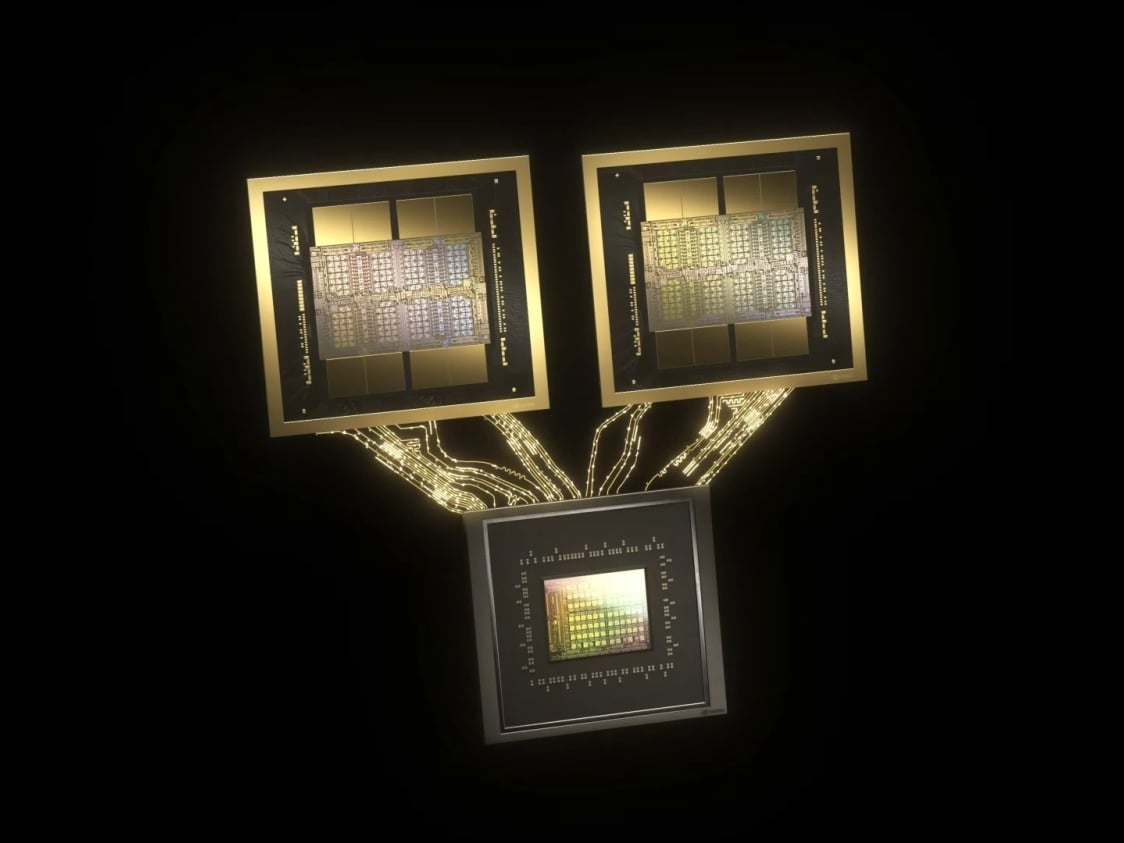
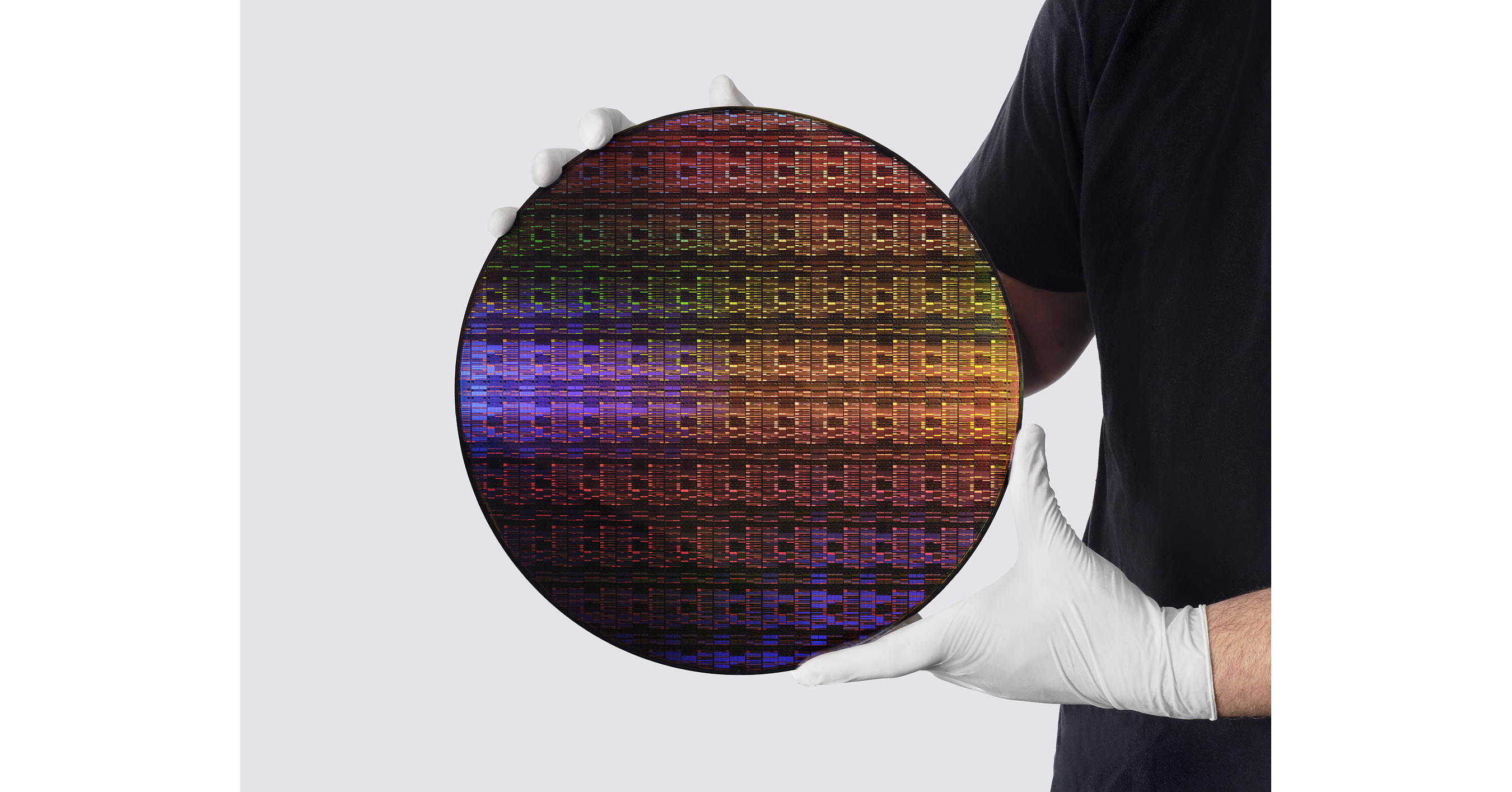
The road to full-scale commercialization for the Blackwell architecture was not without high-stakes friction. Earlier in the fiscal cycle, Wall Street analysts scrutinized minor design tweaks and packaging yield challenges associated with TSMC’s advanced node manufacturing and CoWoS (Chip-on-Wafer-on-Substrate) packaging. However, executive leadership’s decisive risk mitigation strategies and rigorous engineering interventions successfully cleared these operational bottlenecks.
Today, the narrative has shifted decisively from supply chain anxiety to output velocity. Blackwell systems—encompassing the B200 accelerators and GB200 Grace Blackwell Superchips—are rolling off production lines at scale. These systems deliver up to a 30x performance leap for real-time generative AI inference compared to their Hopper-generation predecessors, fundamentally altering the total cost of ownership (TCO) calculus for enterprise buyers.
Financial Metrics and Performance Breakdown
To contextualize the magnitude of Nvidia’s current operational phase, market analysts look closely at underlying revenue composition, gross margins, and forward-looking guidance. The data underscores an enterprise engine operating at peak efficiency despite unprecedented geopolitical and supply chain complexities.
| Metric / Indicator | Current Fiscal Period | Prior Year Comparison | Strategic Implication |
|---|---|---|---|
| Data Center Revenue | Record High (Multi-Billion) | Substantial YoY Growth | Hyperscale cloud demand remains unabated. |
| Blackwell Production Status | "Full Steam" / Volume Shipments | Pre-production / Sampling | Yield stabilization driving immediate revenue realization. |
| Gross Margins | Mid-70s Percentage Range | Comparable Highs | Reflects immense pricing power and software moat. |
| Backlog Visibility | Multi-Quarter Visibility | Extended Lead Times | Capital expenditure commitment from Tier-1 clouds secured. |
Industry and Market Implications: Who Wins, Who Loses
Nvidia’s record-breaking ascent does not occur in a vacuum. The ripple effects of Blackwell production hitting full speed are felt across the entire technology ecosystem:
- The Winners: Advanced foundries (primarily TSMC), specialized memory suppliers (HBM3e providers like SK Hynix and Micron), and high-end networking equipment manufacturers (such as Arista Networks and cabling specialists) are reaping direct benefits from Nvidia’s supply chain expansion. Tier-1 hyperscalers (Microsoft, Alphabet, Meta, Amazon) who secure early allocations gain a distinct competitive edge in offering enterprise AI services.
- The Vulnerable: Legacy enterprise hardware vendors and traditional CPU-centric server manufacturers face mounting pressure. Companies failing to transition rapidly to accelerated computing risk obsolescence as enterprise budgets overwhelmingly tilt toward GPU-accelerated infrastructure.
- Macroeconomic Impact: Global semiconductor capital expenditure cycles are currently anchored to Nvidia’s roadmap. This concentration creates incredible economic momentum while introducing systemic exposure to geopolitical tensions in the Taiwan Strait and regulatory compliance shifts regarding export controls.
Frequently Asked Questions (People Also Ask)
What makes the Nvidia Blackwell GPU architecture significantly better than the previous Hopper architecture?
The Blackwell architecture introduces a second-generation Transformer Engine, custom-built NVLink interconnects, and advanced multi-die packaging. These innovations deliver up to a 30x performance improvement for generative AI inference workloads while significantly reducing energy consumption and operational costs for data center operators.
How are supply chain bottlenecks being managed now that Blackwell production is at "full steam"?
Nvidia has worked closely with manufacturing partners like TSMC to optimize advanced packaging capacity (CoWoS) and secure guaranteed allocations of high-bandwidth memory (HBM). Early engineering hurdles have been successfully resolved, allowing volume shipments to flow smoothly to major cloud service providers and enterprise clients.
What are the primary financial drivers behind Nvidia's record revenue growth?
The growth is primarily driven by explosive expansion in the Data Center segment, fueled by enterprise demand for accelerated computing infrastructure, large language model training, and real-time AI inference deployment across global cloud architectures.
How does enterprise ROI factor into continued high-volume purchases of Nvidia hardware?
Despite high upfront capital expenditures, enterprise buyers experience rapid ROI through dramatic efficiency gains, faster time-to-market for proprietary AI applications, and lower overall inference costs per token compared to legacy CPU-based infrastructures.
Future Outlook and Key Milestones to Watch
Looking ahead, Nvidia’s trajectory will depend on its ability to sustain execution velocity as production scales into subsequent quarters. Key milestones for institutional observers to monitor include:
- Adoption Rates of GB200 Superchips: Tracking how quickly hyperscalers deploy liquid-cooled server racks into production data centers.
- Gross Margin Sustainability: Observing whether manufacturing efficiencies can maintain premium margins as supply catches up with backlog demand.
- Geopolitical and Regulatory Headwinds: Navigating evolving trade policies, export restrictions, and international compliance frameworks governing advanced semiconductor shipments.
Ultimately, Nvidia’s current financial triumph is not a transient anomaly, but the validation of a calculated long-term bet on accelerated computing. As Blackwell production fires on all cylinders, the company remains firmly entrenched at the epicenter of the global technological revolution.