The Trillion-Dollar Turf War: How Nvidia’s Breakthrough Puts Jensen Huang in Direct Combat with Elon Musk’s Tesla
SAN FRANCISCO & NEW DELHI — January 17, 2026 — For years, Nvidia and Tesla enjoyed a highly profitable, symbiotic relationship. Tesla bought tens of thousands of Nvidia’s high-end GPUs to train its autopilot and artificial intelligence systems, while Nvidia leveraged Tesla as a premier showcase of its computing prowess. But that era of cozy cooperation is officially over.
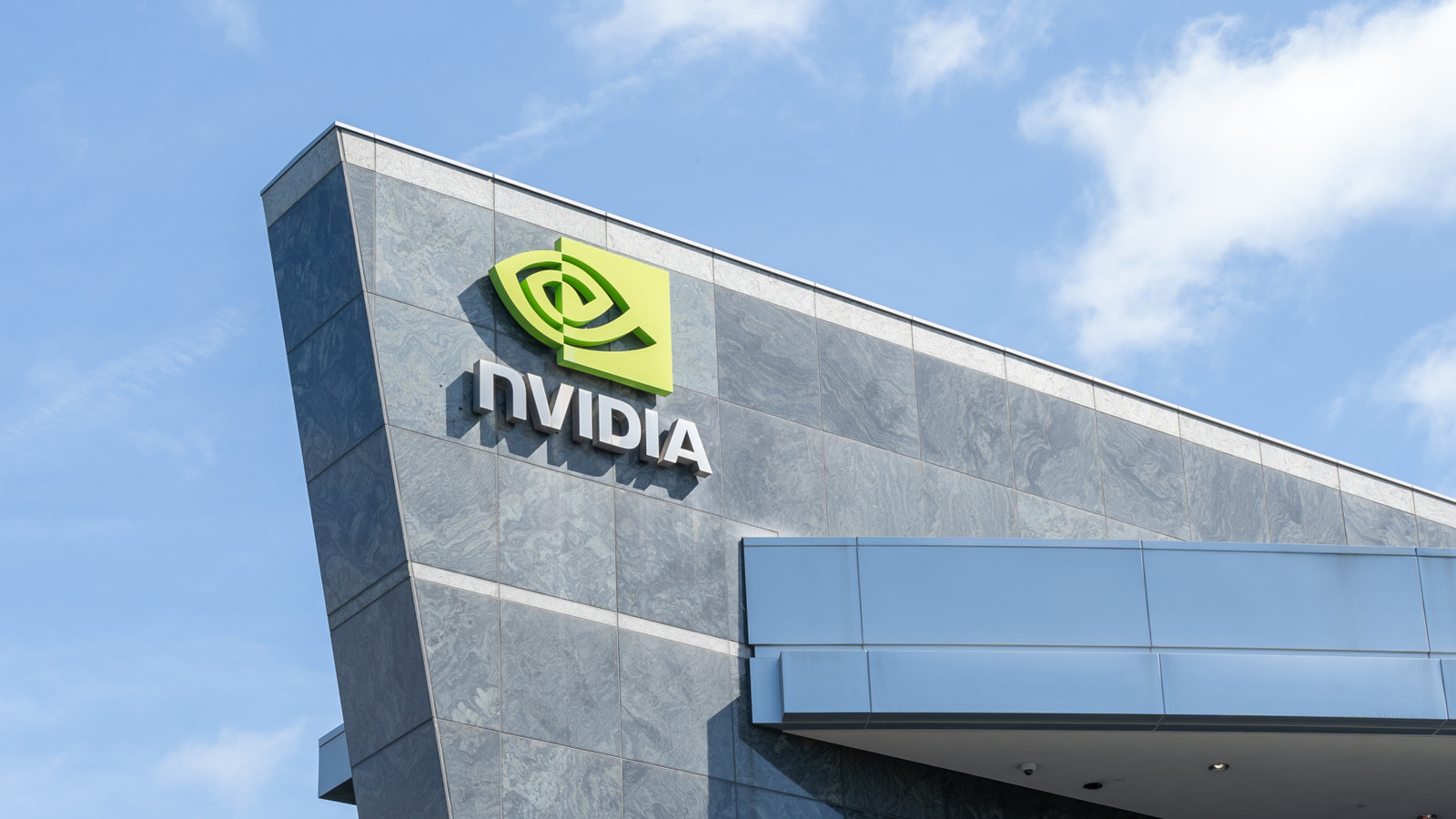
At the Consumer Electronics Show (CES) 2026 in Las Vegas, Nvidia CEO Jensen Huang delivered a blockbuster keynote that drew a direct battle line between the chip giant and Elon Musk’s automotive and robotics empire. By unveiling an aggressive, end-to-end commercial ecosystem for autonomous vehicles and physical AI, Nvidia is no longer just a supplier to the automotive industry—it is building the definitive operating platform to help Tesla’s fiercest rivals defeat it.
---The Catalyst: Nvidia's CES 2026 Blueprint for 'Physical AI'
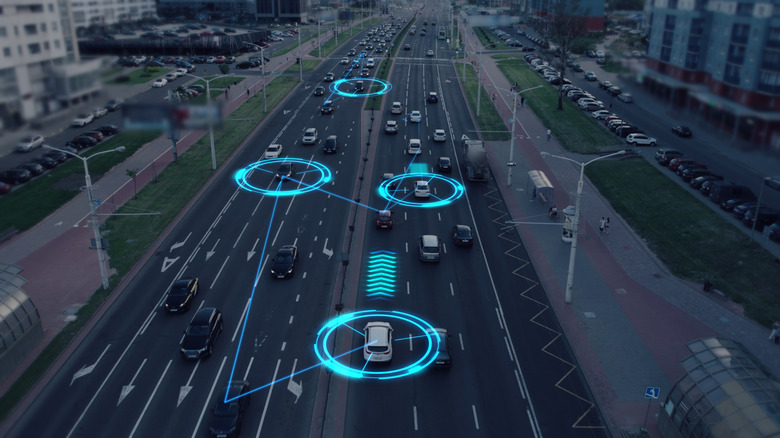
The turning point came with Nvidia's formal launch of its upgraded DRIVE Thor centralized car computer, paired with a ready-to-deploy software suite for Level 4 autonomous driving and humanoid robotics. Unlike previous iterations, which required automotive manufacturers to spend years writing custom software, Nvidia’s new platform is a "plug-and-play" solution.
This means any global automaker—from BYD and Mercedes-Benz to up-and-coming electric vehicle (EV) startups—can now purchase Nvidia’s hardware and software stack to instantly deploy self-driving capabilities that rival Tesla’s Full Self-Driving (FSD) beta. Furthermore, Nvidia expanded its Project GR00T framework, offering a complete foundation model for humanoid robots. This puts Nvidia in direct competition with Tesla’s Optimus program, providing the brainpower for a swarm of rival humanoid robots being developed across Asia and Europe.
"The next wave of AI is physical AI," Jensen Huang declared during his keynote. "We are building the end-to-end technology stack so that every carmaker, every robot maker, and every factory owner can deploy autonomous intelligence without having to build it from scratch."
---Why This Threatens Tesla’s Trillion-Dollar Valuation Moat
Tesla’s premium stock valuation has long been defended by Elon Musk on one core premise: Tesla is not an car company; it is an AI and robotics company. Wall Street has priced Tesla based on its potential to dominate the future of robotaxis and humanoid labor.
However, Nvidia’s latest move threatens to commoditize the very technology that Tesla spent a decade and billions of dollars developing in-house. By acting as the "arms dealer" to the rest of the auto and tech industries, Nvidia is leveling the playing field.
- Democratizing Autonomy: Legacy car companies no longer need to build expensive AI training clusters. They can rent Nvidia’s DGX Cloud and install DRIVE Thor to match Tesla's Autopilot capabilities.
- The Robotaxi Race: Nvidia's partnerships with ride-hailing platforms and autonomous trucking fleets could bypass Tesla’s planned Cybercab rollout by enabling existing fleets to go driverless sooner.
- The Humanoid Clash: While Tesla builds Optimus vertically, Nvidia is empowering a coalition of robotics developers (such as Figure, Boston Dynamics, and Apptronik) to deploy smarter, more versatile robots powered by Nvidia Isaac and GR00T.
Comparing the Titans: Nvidia vs. Tesla Ecosystems
To understand the scale of this corporate rivalry, it is crucial to analyze how their technological approaches and business models stack up against one another:
| Metric / Strategy | Nvidia (The Democratic Platform) | Tesla (The Vertical Monolith) |
|---|---|---|
| Core Philosophy | Horizontal "arms dealer" providing chips, software, and AI models to all manufacturers. | Vertical integration; controlling hardware, software, manufacturing, and data collection. |
| Autonomous Vehicle Tech | DRIVE Thor platform (2,000 TFLOPS) supporting camera, LiDAR, and radar sensor fusion. | FSD (Full Self-Driving) relying strictly on vision (cameras) and the custom AI5 chip. |
| Robotics Framework | Project GR00T & Isaac platform powering third-party humanoid developers. | Optimus Humanoid Robot, manufactured and programmed entirely in-house. |
| Primary Revenue Stream | Enterprise hardware sales, software licensing, and cloud computing subscriptions. | Vehicle sales, energy storage, and proprietary FSD software subscriptions. |
The Strategic Backlash: How Elon Musk is Responding
Elon Musk has not stayed silent regarding Tesla's shifting relationship with Nvidia. Recognizing the danger of relying entirely on a competitor’s silicon, Tesla has aggressively accelerated its in-house chip programs, most notably the Dojo supercomputer and the AI5 custom silicon designed for future vehicles.
During Tesla's latest earnings call, Musk hinted at the growing friction, stating, "Nvidia has done an incredible job, but their chips are highly expensive and in tight supply. For Tesla to truly control its destiny, we must be self-reliant on our own hardware and custom neural network training clusters."
Despite Musk's push for self-reliance, industry analysts note that building a global software and developer ecosystem to rival Nvidia's CUDA platform is a monumental task. By offering pre-trained physical AI models, Nvidia is dramatically shortening the time-to-market for Tesla’s competitors, setting up a classic market battle between vertical integration (Tesla’s Apple-like approach) and horizontal democratization (Nvidia’s Microsoft-like approach).
---The Road Ahead: Who Wins the Physical AI Era?
As 2026 unfolds, the market will closely watch how legacy automakers integrate Nvidia’s DRIVE Thor. If automakers can successfully roll out reliable, consumer-ready autonomous driving systems over the next 18 months, the premium valuation justification for Tesla’s FSD software could quickly evaporate.
However, Tesla still holds one massive advantage: real-world data. With millions of connected vehicles already on global roads collecting driving telemetry every second, Tesla's data flywheel remains unmatched. Nvidia’s success will depend on whether its synthetic data generation tools, powered by its Omniverse simulation platform, can compensate for this real-world data gap.
One thing is certain: the competition between Jensen Huang and Elon Musk will define the technological landscape of the late 2020s. Silicon Valley is no longer big enough for both of their ambitions.
---Frequently Asked Questions (FAQ)
1. Is Nvidia planning to manufacture its own branded cars or robots?
No. Nvidia is maintaining its traditional business model as a technology enabler. It will not build physical cars or consumer robots. Instead, it provides the advanced silicon, cloud computing resources, and pre-trained AI software models (such as DRIVE Thor and Project GR00T) to third-party manufacturers, allowing them to compete directly with Tesla.
2. Can legacy automakers actually catch up to Tesla using Nvidia’s technology?
Yes, theoretically. Nvidia’s end-to-end platform drastically lowers the barrier to entry for autonomous driving and robotics. By utilizing Nvidia's turnkey solutions, legacy car manufacturers can bypass the decades-long software R&D cycle, shifting the battleground from software development capability to vehicle manufacturing quality and brand loyalty.