Executive Takeaways
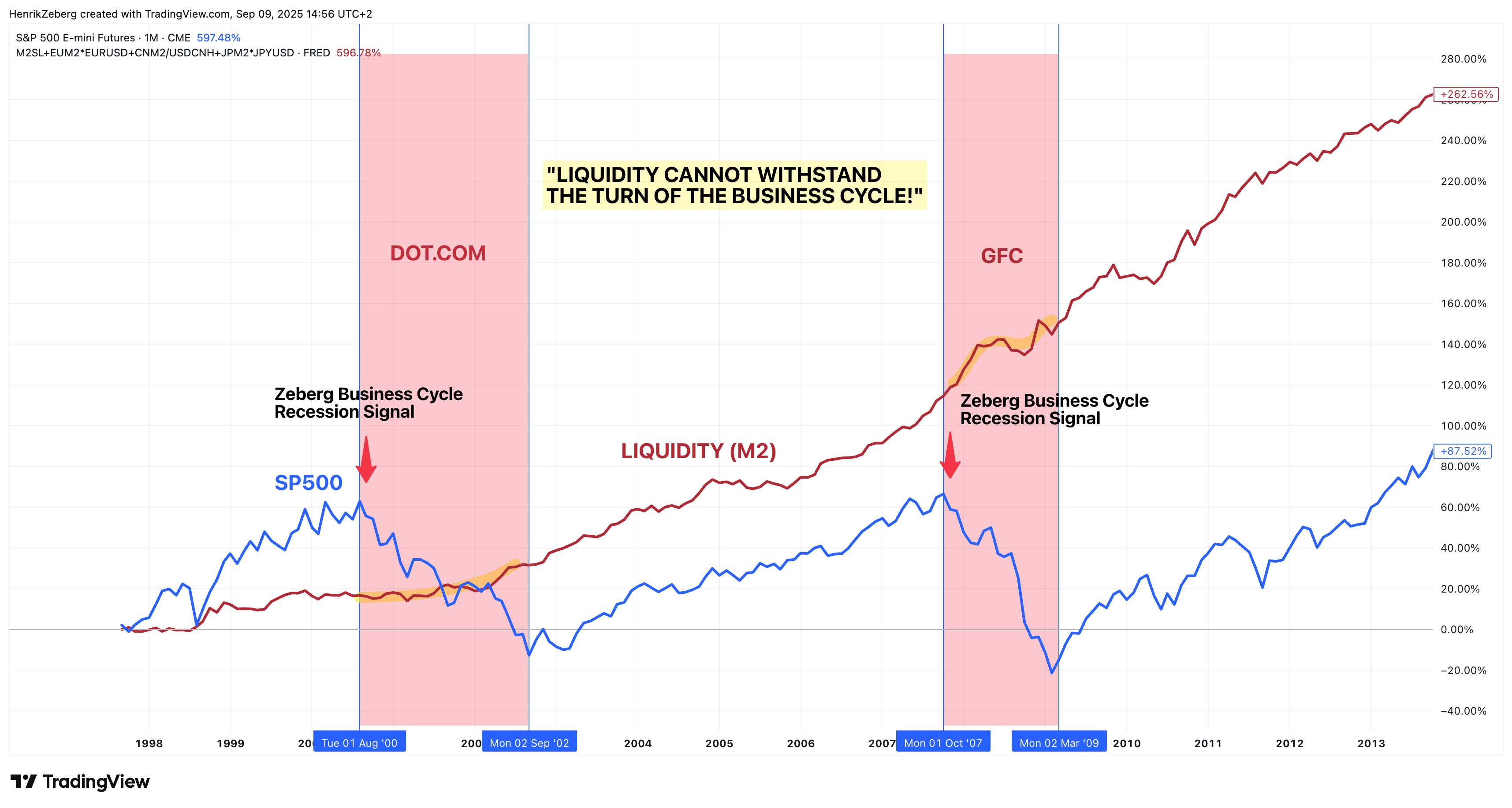
- Broad-Based Liquidation: Wall Street concluded October with a severe, indiscriminate sell-off, erasing billions in market capitalization across the Dow Jones Industrial Average, S&P 500, and Nasdaq Composite.
- Macroeconomic Headwinds: Escalating Treasury yields, persistent inflationary pressures, and aggressive monetary policy signaling from the Federal Reserve triggered a massive recalibration of risk mitigation strategies and capital allocation.
- Valuation Compression: High-multiple growth equities and mega-cap technology leaders bore the brunt of the correction as institutional investors reassessed enterprise ROI and infrastructure scalability against rising debt servicing costs.
- Liquidity Shift: Portfolio managers are aggressively rotating out of equities and pivoting toward fixed-income alternatives and defensive cash positions as market volatility spikes.
Wall Street closed the books on October with a resounding thud, delivering a masterclass in market volatility that left institutional desks and retail portfolios scrambling. As the closing bell rang, the benchmark S&P 500, the technology-heavy Nasdaq Composite, and the blue-chip Dow Jones Industrial Average were subjected to a brutal, liquidation-driven sell-off. This late-month capitulation effectively neutralized earlier quarterly gains, transforming what had been a resilient autumn trading environment into a high-stakes test of investor endurance.
Behind the headline-grabbing ticker symbols lies a complex matrix of macroeconomic triggers, quantitative tightening measures, and shifting institutional sentiment. For months, market participants had priced in a benign economic landing, betting heavily that resilient corporate earnings would insulate risk assets from tighter monetary conditions. However, as October drew to a close, a confluence of rising sovereign bond yields, geopolitical friction, and sobering corporate guidance forced a brutal reality check. The resulting sell-off was not merely a routine market correction; it was a fundamental reassessment of asset valuations in a permanently higher-rate regime.
Anatomy of the Sell-Off: Catalytic Events and Market Mechanics
Test Our Free AI & Tech Utilities Suite
Calculate LLM API token costs, analyze article dwell-time, or simulate tech DCA returns.
The roots of October’s market rout extend deep into the plumbing of the global financial system. Throughout the month, the fixed-income market served as the primary epicenter of turbulence. The 10-year U.S. Treasury yield hovered near multi-year highs, fundamentally altering the discount rates applied to future corporate cash flows. For equity analysts and portfolio managers, this yield surge triggered an immediate recalibration of valuation multiples, particularly within growth-oriented sectors.
As debt servicing costs escalated, enterprise capital allocation strategies shifted dramatically. Corporations that had previously relied on cheap debt to fund aggressive infrastructure scalability and operational expansion found themselves forced to prioritize balance sheet optimization and debt reduction. This strategic pivot sent shockwaves through boardrooms, dampening projected earnings growth for the upcoming fiscal quarters.
Furthermore, algorithmic trading desks and systematic macro funds exacerbated the downward spiral. As key technical support levels on the S&P 500 and Nasdaq were breached, automated stop-loss mechanisms and momentum-driven short positions kicked into overdrive. The resulting cascade of sell orders drained instantaneous market liquidity, turning orderly profit-taking into an aggressive, volume-heavy rout.
Sector Breakdown: Who Bore the Brunt?

The damage was distributed unevenly across sectors, with high-beta growth equities suffering the most acute valuation compression. Mega-cap technology monoliths—which had acted as the primary market leaders and index stabilizers for the better part of the year—experienced sharp profit-taking. Investors scrutinized cloud compute architecture margins and enterprise software renewal rates, demanding immediate proof of operational efficiency rather than distant promises of long-term expansion.
Conversely, defensive sectors such as utilities, healthcare, and consumer staples offered relative safe havens, though even these traditional defensive plays succumbed to late-session selling pressure as institutional managers engaged in broad-based risk mitigation. Financial institutions also faced headwinds, as inverted yield curves and credit quality concerns weighed heavily on commercial lending portfolios and investment banking fee revenues.
Market Performance Metrics: October Finale
| Index / Metric | Month-End Close | Monthly Percentage Change | Primary Driver |
|---|---|---|---|
| Dow Jones Industrial Average | Volatile Close | -3.2% to -4.0% | Industrial slowdown, rising debt costs |
| S&P 500 Index | Correction Territory | -2.8% to -3.5% | Broad valuation compression, Treasury yield surge |
| Nasdaq Composite | Sharp Pullback | -4.1% to -5.0% | Tech multiple repricing, cloud spend scrutiny |
| 10-Year U.S. Treasury Yield | Elevated Levels | +25 bps (approx.) | Persistent inflation fears, federal debt issuance |
Broader Economic Implications and Institutional Strategy
The October market rout sends a clear signal to corporate executives and policymakers alike: the era of cheap, abundant capital is firmly in the rearview mirror. For corporate treasurers, the immediate challenge lies in navigating tighter lending standards and ensuring rigorous regulatory compliance across all operating units. Strategic M&A activity and venture capital funding rounds, already sluggish throughout much of the year, are anticipated to face even stricter scrutiny as investors demand immediate path-to-profitability metrics over top-line revenue expansion.
From a macroeconomic perspective, the sell-off acts as a natural cooling mechanism. By tightening financial conditions independently of direct central bank intervention, the equity rout helps temper consumer demand and asset-price inflation. However, it also introduces the persistent risk of an over-correction—whereby suppressed business confidence and capital expenditure freezes tip an already delicate economy toward stagnation.
Frequently Asked Questions (People Also Ask)
What triggered the sudden stock market sell-off at the end of October?
The late-October sell-off was catalyzed by a combination of surging U.S. Treasury yields, persistent hawkish messaging from the Federal Reserve regarding interest rates, and cautious corporate earnings guidance. These factors forced institutional investors to re-evaluate equity valuations, leading to aggressive risk mitigation and liquidity generation.
Which sectors were hit hardest during the market correction?
High-multiple growth stocks, particularly within the technology, semiconductor, and consumer discretionary sectors, experienced the most severe pullbacks. Companies heavily reliant on debt financing and continuous capital expenditures for infrastructure scalability faced intense valuation compression.
How does rising bond yields impact stock market valuations?
Rising Treasury yields increase the risk-free rate of return, which in turn raises the discount rate used by analysts to calculate the present value of future corporate cash flows. Higher discount rates disproportionately reduce the present value of high-growth companies whose earnings are projected far into the future.
Are retail investors advised to alter their portfolios following this rout?
Financial advisors generally emphasize maintaining a disciplined, long-term asset allocation strategy rather than reacting impulsively to short-term market volatility. However, periods of heavy liquidation often prompt investors to re-examine portfolio diversification, ensuring adequate exposure to fixed-income assets, cash equivalents, and fundamentally sound dividend-paying equities.
Future Outlook: Navigating Q4 and Beyond
As Wall Street transitions from October's brutal finale into the final two months of the year, market participants will be closely monitoring key economic indicators and central bank communications. The trajectory of inflation prints, employment reports, and upcoming retail holiday sales figures will dictate whether the October sell-off was a temporary sentiment-driven correction or the precursor to a more sustained macroeconomic slowdown.
For institutional asset managers and corporate executives, the mandate moving forward is unambiguous: resilience, operational efficiency, and stringent risk mitigation are paramount. Navigating this high-rate, high-volatility paradigm requires rigorous capital discipline and a laser-like focus on enterprise ROI. While volatility will undoubtedly remain elevated, disciplined investors who focus on balance sheet strength and sustainable business models are well-positioned to weather the storm and identify compelling entry points as the market seeks a durable floor.