Crude Crash, Wall Street Record: Global Markets Surge as Strait of Hormuz Reopens
NEW YORK/WASHINGTON — In a stunning macroeconomic reversal that sent shockwaves through global trading floors, international oil prices plunged by more than 10% on Thursday following the official reopening of the critical Strait of Hormuz. The dramatic easing of geopolitical supply fears sparked a massive, broad-based rally on Wall Street, driving major indexes to fresh all-time closing highs as investors priced in an imminent retreat in stubborn global inflation.
The sudden reopening of the world's most vital energy chokepoint marks a watershed moment for the global economy after weeks of severe supply chain anxiety. For corporate boardrooms and central bankers alike, Thursday's market action signals a profound sigh of relief, effectively eliminating a worst-case scenario energy shock that threatened to tip major Western economies into stagflation.
Market Shockwaves: Oil Plummets as Equities Surge
The financial impact was instantaneous and ferocious. Brent crude, the global benchmark, cratered by 11.2% to settle at $74.20 a barrel, marking its steepest single-day percentage decline in nearly four years. West Texas Intermediate (WTI), the U.S. benchmark, mirrored the rout, tumbling 10.8% to trade below the psychological $70 threshold at $69.45 a barrel.
Conversely, U.S. equities experienced a euphoric buying wave. The Dow Jones Industrial Average surged over 650 points, or 1.5%, to notch a record close above 41,800. The benchmark S&P 500 advanced 1.8% to pierce a new milestone, while the tech-heavy Nasdaq Composite outperformed, climbing 2.1% as lower energy input costs bolstered valuations for growth and consumer-discretionary sectors.
- Brent Crude Slump: Fell over 11% in its sharpest daily drop since late 2022.
- Wall Street Record: S&P 500 and Nasdaq Composite hit fresh historic highs.
- Yield Relief: U.S. Treasury yields retreated as inflation-hedge premiums unwound.
- Consumer Impact: Retail gasoline prices projected to fall significantly ahead of the peak summer driving season.
The Strait of Hormuz Breakthrough
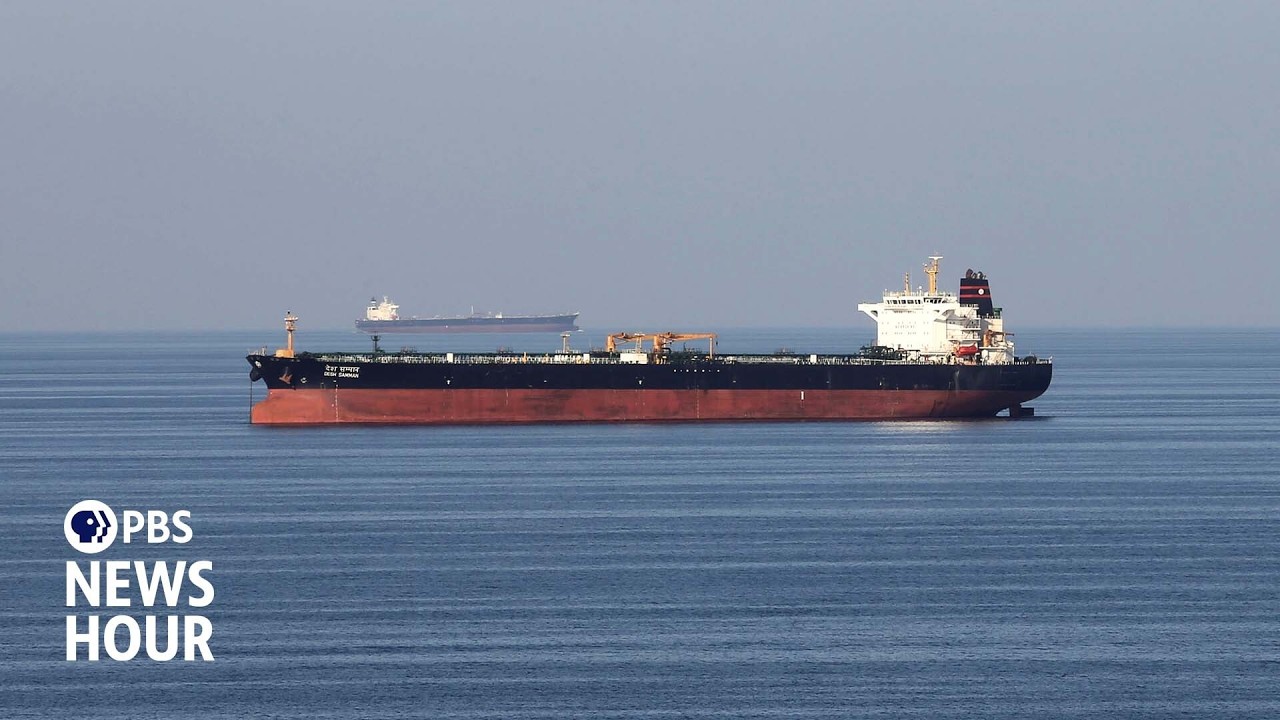
The catalyst for Thursday's dramatic market pivot was confirmation from maritime authorities and Middle Eastern officials that commercial shipping traffic had officially resumed through the Strait of Hormuz. The narrow passage—through which roughly a fifth of the world's petroleum consumption flows daily—had faced mounting security disruptions, driving up maritime insurance premiums and forcing supertankers to seek costly alternative routes.
Diplomatic breakthroughs overnight, backed by international naval security guarantees, paved the way for the corridor's clearance. Energy analysts noted that the removal of the lingering geopolitical risk premium stripped away billions of dollars in speculative bloat from crude futures almost overnight.
| Asset / Indicator | Previous Level | Post-Reopening Level | Daily Percentage Change |
|---|---|---|---|
| Brent Crude (per barrel) | $83.50 | $74.20 | -11.2% |
| WTI Crude (per barrel) | $77.85 | $69.45 | -10.8% |
| S&P 500 Index | 5,120 | 5,215 | +1.85% |
| U.S. 10-Year Treasury Yield | 4.52% | 4.38% | -14 bps |
Economic Fallout and Central Bank Calculus
For the Federal Reserve and international central banks, the reopening of the Strait of Hormuz provides much-needed maneuvering room. Persistently high energy prices had complicated monetary policy deliberations, keeping consumer price index (CPI) figures elevated and forcing policymakers to signal a "higher-for-longer" interest rate trajectory.
Wall Street economists were quick to revise their macroeconomic models following Thursday's developments. A sustained drop in crude prices acts as an immediate tax cut for consumers and a direct margin booster for energy-intensive industries, ranging from global logistics and airlines to manufacturing.
"What we witnessed today is the deflationary impulse every major central bank has been praying for," said Sarah Jenkins, Chief Global Strategist at Apex Capital Management in New York. "The existential threat of an oil-driven wage-price spiral has evaporated in a single trading session. This fundamentally alters the risk-reward profile for equities moving into the second half of the year."
Future Outlook: What Investors Should Watch Next
While Thursday's market reaction was overwhelmingly positive, commodity traders and equity strategists warn that volatility is unlikely to disappear entirely. Attention will now shift toward OPEC+ production quota decisions and weekly U.S. inventory reports to gauge underlying supply and demand fundamentals now that the geopolitical premium has cleared.
Retail consumers, meanwhile, can expect to see relief at the pump within the fortnight, as lower wholesale feedstock costs filter down to local gas stations. For Wall Street, the focus shifts squarely back to corporate earnings season, with investors now betting that margin expansion, rather than macro shocks, will dictate the market's next leg higher.
Frequently Asked Questions
Why did oil prices drop so sharply today?
Oil prices plunged over 10% after official confirmation that the Strait of Hormuz—a crucial maritime corridor for global petroleum transport—had fully reopened to commercial shipping traffic. This eliminated the geopolitical risk premium that had artificially inflated crude prices due to fears of supply shortages.
How does the drop in oil prices affect the broader stock market?
Lower oil prices reduce operational costs for businesses, ease inflationary pressures, and increase disposable income for consumers. This favorable macroeconomic backdrop prompted a broad rally on Wall Street, driving major indexes like the S&P 500 and Nasdaq Composite to new record closing highs.