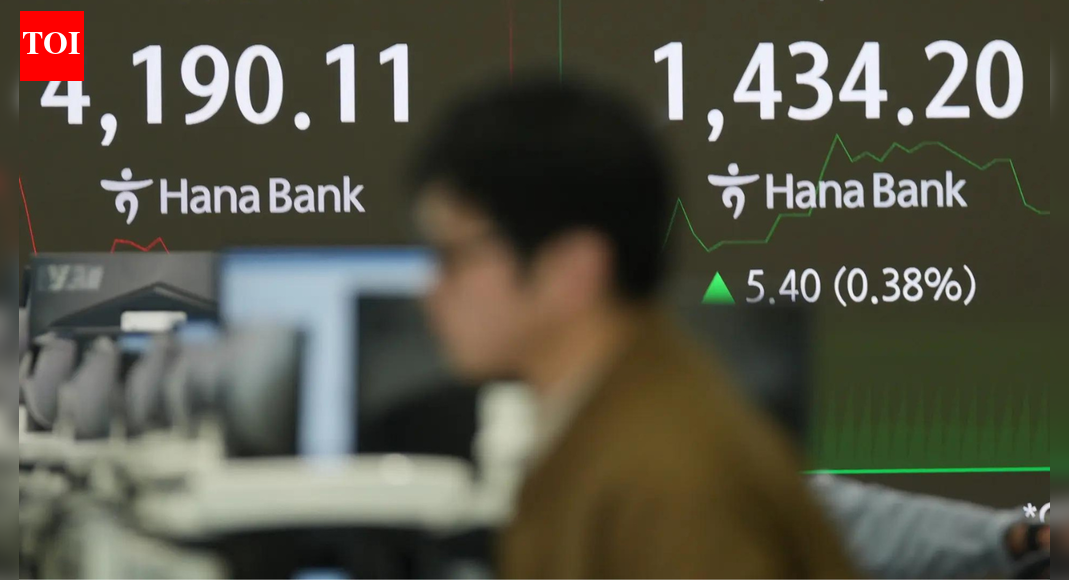
Global capital markets are undergoing a violent, high-velocity repricing following the conclusive outcome of the United States presidential election. In early trading across the Asia-Pacific region, futures and spot indices pointed toward a broad-based rally, spurred by immediate clarity on the political landscape and a dramatic contraction in global energy prices. Brent and West Texas Intermediate (WTI) crude slid sharply, easing persistent inflationary pressures that have dominated monetary policy deliberations for the better part of three years. As institutional desks adjust their risk models, portfolio managers are actively realigning asset allocation strategies to capture alpha in a shifting macro regime characterized by deregulatory optimism, revised fiscal projections, and recalibrated trade pathways.
For corporate treasurers, institutional investors, and hedge fund allocators, this juncture represents a critical inflection point. The intersection of US electoral outcomes and commodity market liquidations is forcing an aggressive reassessment of enterprise risk mitigation, capital allocation, and valuation multiples. This investigative report provides a granular examination of the catalysts driving this Asian market surge, the mechanics behind the oil sell-off, and the broader structural implications for global liquidity and macroeconomic stability.
Executive Takeaways
Test Our Free AI & Tech Utilities Suite
Calculate LLM API token costs, analyze article dwell-time, or simulate tech DCA returns.

- Definitive Electoral Clarity: The swift resolution of the US presidential contest has removed paralyzing tail risk, prompting institutional capital to re-enter emerging and developed Asian equities.
- Commodity De-escalation: Crude oil futures tumbled over 3% to multi-month lows, driven by expectations of expanded domestic US fossil fuel production and a recalibration of geopolitical risk premiums.
- Valuation Multiples Expansion: Lower energy input costs are providing immediate margin relief to manufacturers and consumer discretionary sectors across export-reliant economies like South Korea, Japan, and Taiwan.
- Monetary Policy Re-pricing: The deflationary impulse from sliding energy prices is altering yield curve expectations, fueling speculation