The Q1 2026 Reckoning: Inside the Market Whiplash That Stunned Wall Street—And Where Capital Moves Next
NEW YORK — As the opening quarter of 2026 recedes into the financial rearview mirror, Wall Street is left picking through the wreckage of another notoriously punishing three months for risk assets. According to comprehensive new data and chart breakdowns released by Morningstar on April 6, 2026, the first quarter has defied conventional consensus, delivering a cocktail of geopolitical friction, stubborn inflation metrics, and violent sector rotations that caught institutional portfolios flat-footed.
For executive decision-makers, portfolio managers, and retail investors alike, the central question is no longer about mourning Q1’s volatility, but mastering the Q2 outlook. With macroeconomic crosscurrents testing the resilience of corporate balance sheets, the second quarter demands an aggressive recalibration of capital allocation strategies. Here is the definitive breakdown of the forces that shaped Q1 and the precise playbook analysts are deploying for Q2.
Anatomy of a Rough Quarter: What Went Wrong in Q1 2026
The narrative of the first quarter of 2026 can be distilled into a single word: recalibration. Equity indices experienced sharp drawdowns early in January as hotter-than-expected labor market data forced the Federal Reserve to walk back aggressive interest rate cut expectations. By February, supply chain bottlenecks in critical technology hardware had compounded systemic pressures, triggering a flight to safety.
Morningstar’s definitive analysis highlights that volatility was not merely localized to speculative tech plays, but broad-based, punishing high-valuation growth sectors while offering selective refuge in defensive commodities and cash equivalents. The "January Effect" turned into a ghost story as institutional capital aggressively deleveraged ahead of Q1 earnings warnings.
- The Rate Reality Check: Hopes for a Q1 pivot evaporated as sticky inflation readings kept benchmark rates elevated longer than projected.
- The Tech Tumble: High-multiple artificial intelligence and semiconductor darlings suffered severe valuation compression amid profit-taking.
- The Commodity Cushion: Energy and select industrial metals emerged as rare defensive outperformer pockets during the January-March slide.
- Liquidity Squeeze: Quantitative tightening continued to drain systemic liquidity, raising corporate borrowing costs and pressuring mid-cap margins.
The Scorecard: 5 Winners and 5 Losers of Q1 2026
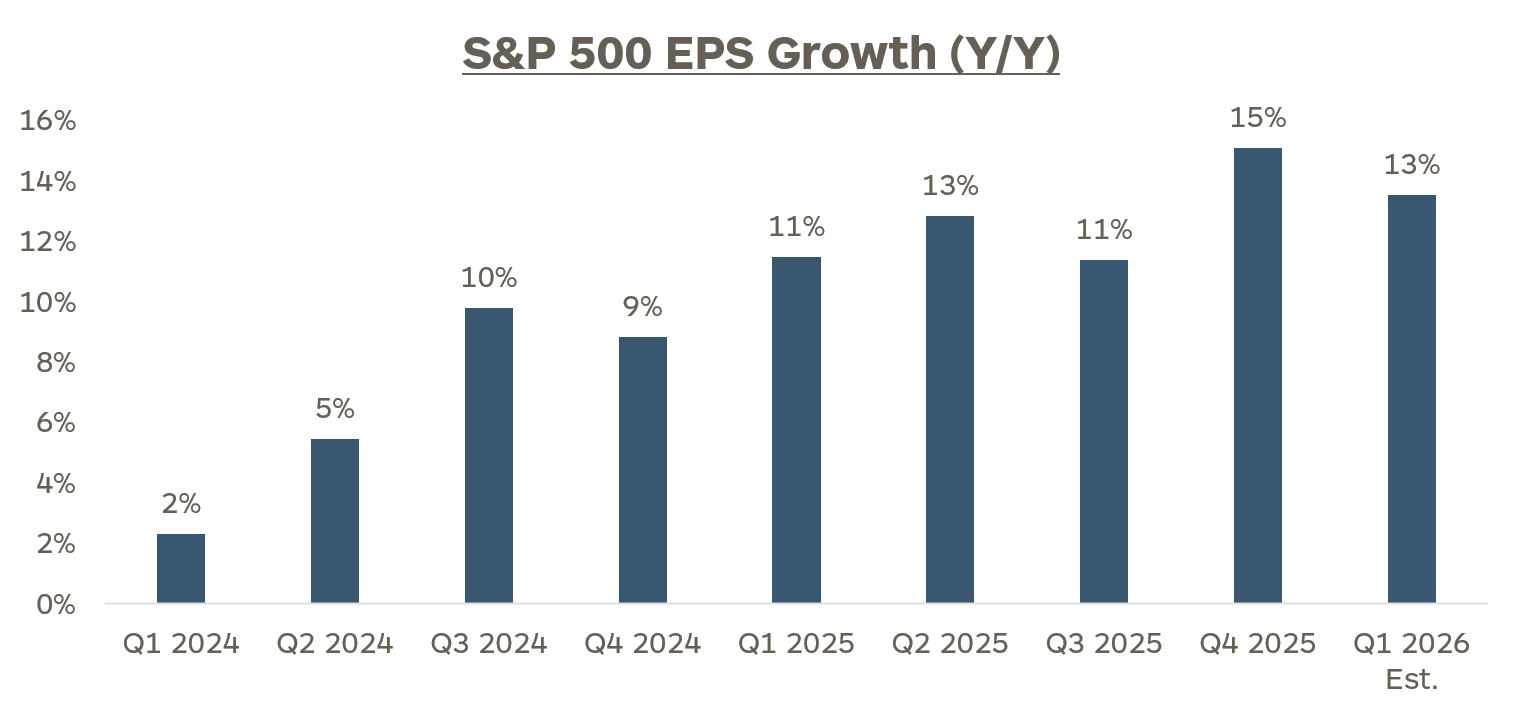
Every market dislocation produces divergent fortunes. Morningstar’s tracking of Q1’s defining leaders and laggards paints a stark picture of a bifurcated economy where execution, pricing power, and balance sheet health dictated survival.
| Asset Class / Sector | Q1 2026 Status | Primary Driver |
|---|---|---|
| Traditional Energy & Upstream Oil | Winner | Geopolitical supply premiums and steady global demand. |
| Defensive Healthcare Utilities | Winner | Inelastic demand and reliable cash-flow generation. |
| Short-Duration Treasuries | Winner | Attractive risk-free yields outpacing volatile equities. |
| Gold & Precious Metals | Winner | Central bank buying and safe-haven portfolio hedging. |
| Select Defense Contractors | Winner | Escalating global security budgets and multi-year backlogs. |
| High-Beta Tech Growth Stocks | Loser | Multiple compression driven by higher-for-longer rate fears. |
| Commercial Real Estate (Office) | Loser | Structural vacancy overhang and debt refinancing walls. |
| Speculative Cryptocurrency Assets | Loser | Regulatory headwinds and risk-off liquidity outflows. |
| Discretionary Retailers (Low-End) | Loser | Stretched consumer balance sheets and wage fatigue. |
| Long-Duration Zero-Coupon Bonds | Loser | Sensitivity to persistent inflation surprises. |
The Q2 Market Outlook: Navigating the Rebound or Sinking Deeper?
As markets turn the page to the second quarter, sentiment remains cautiously defensive. Market strategists emphasize that while Q1 washed out speculative excesses, Q2 will reward fundamentally sound enterprises capable of defending operating margins against rising input costs.
"We are entering a phase where macro tailwinds have officially turned into headwinds, forcing stock-pickers back into the driver's seat," notes a leading Wall Street chief investment officer. "The era of buying the broad index blindly and expecting double-digit alpha is paused. Q2 is about cash flow visibility and pricing power."
Key Pillars for Q2 Portfolio Positioning:
- Quality Over Growth: Prioritize firms with pristine balance sheets, low debt-to-equity ratios, and robust free cash flow yields.
- Selective Cyclical Exposure: Look for entry points in industrials and materials poised to benefit from structural infrastructure spending.
- Active Duration Management: Utilize fixed-income ladders to lock in attractive yields ahead of any eventual central bank policy shift.
Frequently Asked Questions
What were the main drivers behind the rough Q1 2026 market performance?
The challenging first quarter was primarily driven by persistent inflation data that forced investors to price out aggressive interest rate cuts, alongside valuation corrections in high-flying tech sectors and tighter global liquidity conditions.
How should investors adjust their strategies for Q2 2026 based on Morningstar’s analysis?
Analysts recommend shifting focus toward quality, cash-flow-heavy companies with strong pricing power, maintaining exposure to defensive commodities and short-duration fixed income, and avoiding high-multiple speculative assets until macro clarity improves.