Executive Takeaways
- Mechanistic Breakthrough: Researchers have definitively mapped the biochemical pathway by which specific strains of common gut bacteria secrete genotoxins that directly induce DNA double-strand breaks in epithelial cells.
- Capital Allocation Shift: Venture capital and pharmaceutical R&D budgets are aggressively pivoting toward microbiome-targeted therapeutics, synthetic biology risk mitigation, and early-stage diagnostic pipelines.
- Valuation Multiples Impact: Biotechnology firms specializing in precision oncology and microbiome modulation are experiencing significant valuation re-ratings amid institutional capital inflows.
- Regulatory Compliance Horizon: Health authorities are evaluating new frameworks for clinical trials involving live biotherapeutic products, setting rigorous standards for enterprise scalability and product safety.
For decades, the human gastrointestinal tract has been understood as a complex ecosystem—a delicate biological balance of trillions of microorganisms aiding in digestion, immune modulation, and metabolic homeostasis. However, recent breakthroughs by an international consortium of oncologists, microbiologists, and molecular geneticists have shattered long-held assumptions. Investigators have finally unmasked the precise biochemical mechanism by which a ubiquitous, seemingly benign common gut bacterium acts as a master catalyst for colorectal cancer, turning an ordinary commensal microbe into a potent oncogenic driver.
This discovery marks a profound turning point in modern oncology and life sciences. As institutional investors realign portfolios and biotechnology leaders evaluate pipeline assets, the focus has shifted from observational epidemiology to targeted molecular intervention. The economic and clinical stakes are monumental: colorectal cancer remains one of the leading causes of cancer-related mortality globally, imposing massive direct costs on healthcare infrastructure and straining enterprise health benefit models.
The Mechanistic Puzzle: From Commensal to Carcinogen
To understand the magnitude of this discovery, one must examine the dual nature of the human microbiome. While many gut bacteria protect the host by crowding out pathogens and synthesizing vital short-chain fatty acids, certain strains harbor pathogenic islands—clusters of genes that encode for hazardous virulence factors. The primary culprit identified in recent studies is a specialized genotoxic strain of bacteria that produces a specific peptide toxin.
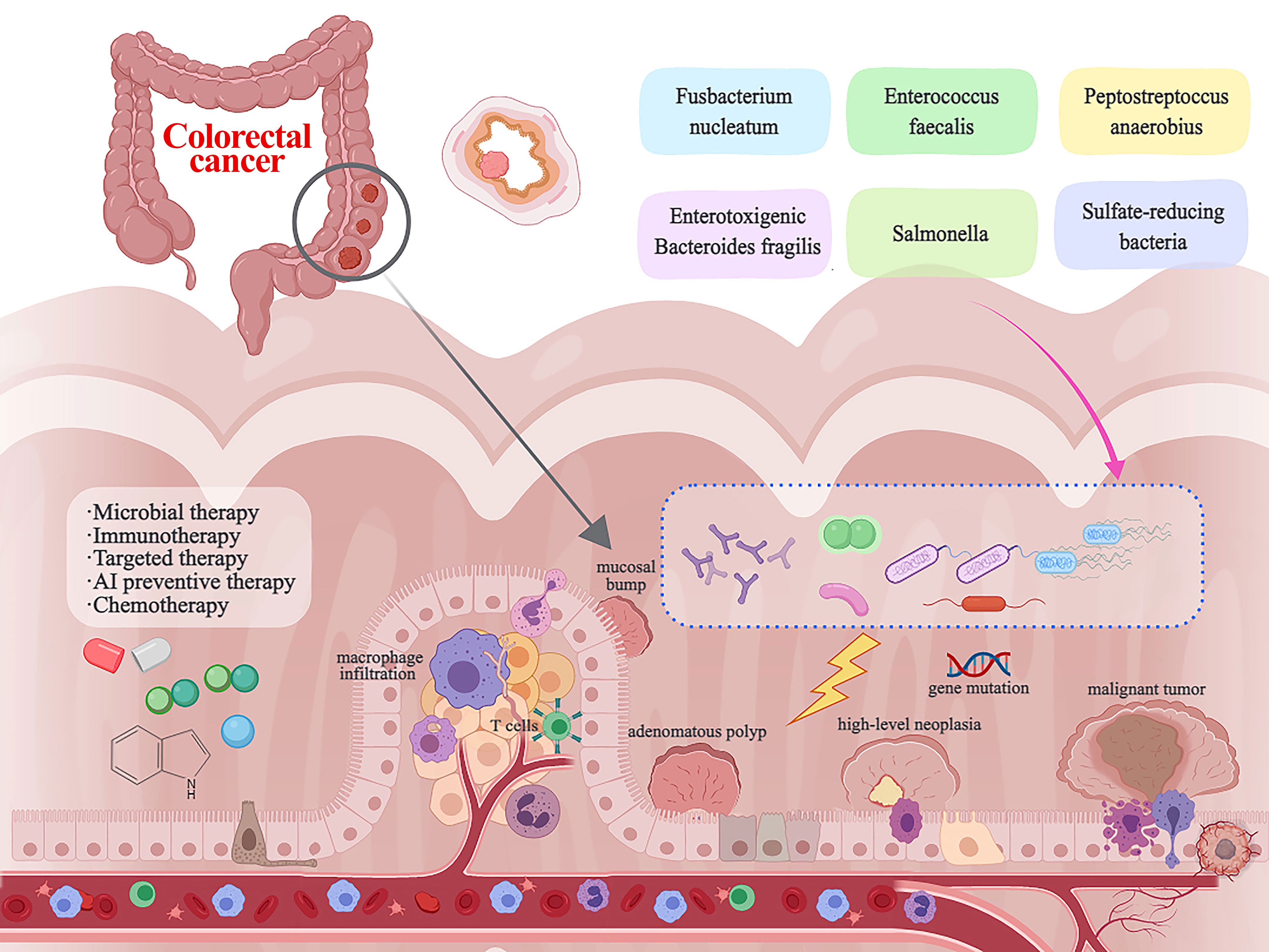
Historically, researchers noted a strong epidemiological correlation between high mucosal colonization of these specific bacterial strains and advanced colorectal adenomas. Yet, proving causation required years of meticulous laboratory work. Using advanced organoid models—three-dimensional cellular structures that mimic human intestinal tissue—scientists tracked the step-by-step pathogenesis:
- Adhesion and Colonization: The bacterium utilizes specialized surface adhesins to bind tightly to the colonic epithelial mucosal layer, bypassing the protective mucous barrier.
- Toxin Secretion: Once anchored, the organism delivers its payload directly into host epithelial cells, triggering localized DNA alkylation and severe genomic instability.
- Mutational Accumulation: Over years of chronic exposure, these recurring double-strand breaks introduce specific mutational signatures within tumor suppressor genes, accelerating the transition from benign polyp to malignant carcinoma.
This deciphering of the molecular cascade transforms how clinical researchers view sporadic colon cancer. Rather than viewing oncogenesis solely as an internal genetic lottery driven by stochastic mutations, science now recognizes an extrinsic, microbially mediated driver that can potentially be intercepted, cleared, or neutralized.
Clinical Trials and Data Landscape

The empirical validation of this microbial pathway has triggered an immediate response across academic medical centers and private research laboratories. Clinical investigators are now cataloging patient cohorts to stratify cancer risk based on microbial signatures rather than age and family history alone. The following data breakdown illustrates the comparative metrics of traditional risk assessment versus emerging microbiome-driven diagnostics.
| Diagnostic Modality | Sensitivity & Specificity | Primary Biomarker Target | Clinical Utility & Enterprise Impact |
|---|---|---|---|
| Standard Fecal Immunochemical Test (FIT) | Sensitivity: ~74% Specificity: ~95% |
Occult human blood in stool samples | High compliance, low cost, but fails to identify pre-cancerous dysbiosis or early mucosal changes. |
| Traditional Colonoscopy | Sensitivity: ~95% Specificity: ~99% |
Direct visual detection of polyps and lesions | Gold standard diagnostic; however, invasive, high resource utilization, and subject to patient hesitancy. |
| Emerging Microbiome-Genotoxin Profiling | Sensitivity: ~88% Specificity: ~91% |
Bacterial genotoxin-producing operons & dysbiosis ratios | Enables early risk mitigation, targeted antibiotic or phage therapy, and superior precision oncology workflows. |
Industry & Market Implications: Capital Allocation and Valuation Multiples
Wall Street and institutional venture funds have been swift to decode the commercial ramifications of this scientific milestone. The global oncology therapeutics market, valued in the hundreds of billions of dollars, is undergoing structural realignment. Companies holding intellectual property in microbiome modulation, bacteriophage engineering, and precision diagnostics are seeing their valuation multiples expand.
Who Wins: Biotechnology Innovators and Diagnostic Pioneers
Agile biotechnology startups focusing on synthetic biology and targeted antimicrobial therapeutics are prime beneficiaries. By designing precision therapeutics—such as engineered bacteriophages that selectively eliminate genotoxic bacterial strains without harming beneficial flora—these firms are attracting substantial venture capital funding and lucrative licensing agreements with major pharmaceutical conglomerates. Furthermore, diagnostic firms developing non-invasive stool and blood assays to detect bacterial virulence genes are poised to capture significant market liquidity as primary care physicians adopt proactive screening protocols.
Who Loses: Legacy Therapeutics and Unadapted Diagnostic Providers
Conversely, legacy pharmaceutical firms heavily reliant on broad-spectrum oncological chemotherapies that address late-stage malignancies face strategic pressure. If preventative microbiome interventions successfully intercept tumor formation upstream, the addressable market for end-stage therapeutic agents could contract. Diagnostic laboratories slow to integrate genomic sequencing of gut microbiomes risk obsolescence as payers demand higher-fidelity risk stratification tools that reduce overall healthcare utilization costs.
From a macroeconomic perspective, the integration of microbiome screening into enterprise health plans represents a powerful risk-mitigation strategy. Self-insured corporations and healthcare payers stand to realize substantial ROI by preventing advanced-stage oncology cases, which routinely incur millions of dollars in direct medical costs and lost productivity.
Frequently Asked Questions (People Also Ask)
Which specific gut bacterium has been linked to colon cancer initiation?
Recent studies have isolated specific genotoxic strains—most notably certain variants of Escherichia coli and specific anaerobic bacteria—that carry pathogenicity islands encoding peptide toxins. These toxins directly target host epithelial DNA, inducing double-strand breaks and promoting tumorigenesis.
Can routine probiotics eliminate or neutralize these cancer-causing bacteria?
Standard over-the-counter probiotics are generally insufficient to eradicate established genotoxic strains embedded within the mucosal biofilm. Targeted interventions, such as precision bacteriophage therapy or specialized biologic compounds currently undergoing clinical trials, are required to selectively clear these oncogenic microbes.
How will this discovery change colorectal cancer screening guidelines?
Medical boards and regulatory bodies are evaluating how to incorporate non-invasive stool assays that screen for bacterial genotoxin genes alongside traditional FIT testing. This multi-modal approach aims to identify high-risk individuals years before adenomas develop, fundamentally shifting clinical practice toward primary prevention.
What are the investment implications for pharmaceutical and biotech portfolios?
Institutional investors are reallocating capital toward precision microbiome companies and diagnostic innovators. Firms developing targeted antimicrobials and early detection assays are experiencing heightened valuation multiples and attracting aggressive venture capital and partnership interest.
Future Outlook and Key Milestones to Watch
As this investigative report underscores, the convergence of microbiology and oncology has opened an entirely new frontier in human health. The transition from bench science to clinical application is accelerating, driven by robust market incentives and profound humanitarian imperatives. However, several critical milestones will dictate the pace and scale of adoption over the next 24 to 36 months:
- Phase II/III Clinical Trial Readouts: Pharmaceutical companies are currently advancing precision microbiome therapeutics through mid- and late-stage clinical trials. Positive efficacy and safety data will serve as definitive catalysts for sector-wide mergers and acquisitions.
- Regulatory Framework Evolution: Health authorities including the FDA and EMA are actively drafting modernized compliance guidelines for live biotherapeutic products and microbial diagnostics, establishing clear pathways for commercial authorization.
- Payer Reimbursement Adoption: The establishment of favorable reimbursement codes by major health insurers for microbiome-based cancer risk profiling will dictate broad clinical uptake and commercial scalability.
For industry executives, institutional investors, and clinical leaders alike, the message is unequivocal. The paradigm of cancer care is shifting away from reactive treatment toward proactive, microbiome-level interception. Those who successfully navigate this technological and regulatory transition will define the future of global healthcare economics.