Executive Takeaways
- Systemic Vulnerability Exposed: A coordinated, zero-day exploit targeting Internet of Things (IoT) refrigeration controllers has compromised thousands of supermarket cooling units across Western and Central Europe.
- Supply Chain and Capital Risk: The breach threatens billions of euros in perishable inventory, forcing multinational grocers to reassess enterprise ROI, infrastructure scalability, and capital allocation toward legacy operational technology (OT) security.
- Regulatory Pressure Mounts: European cybersecurity watchdogs are moving to classify retail cold-chain infrastructure under stricter Network and Information Security (NIS2) directives, risking heavy penalties for non-compliant enterprises.
- Market Valuation Volatility: Publicly traded supermarket conglomerates face immediate margin compression as emergency manual overrides, spoilage write-offs, and forensic audit expenditures mount.
LONDON, BERLIN, PARIS — In what security researchers are calling the most sophisticated physical-digital convergence attack in retail history, a synchronized cyber assault has swept across thousands of commercial refrigeration systems throughout Europe. The campaign, which began accelerating late last week according to intelligence compiled by leading cybersecurity firms and European wire services, targets the digital brains of industrial cooling units in supermarkets across Germany, France, the United Kingdom, and the Netherlands.
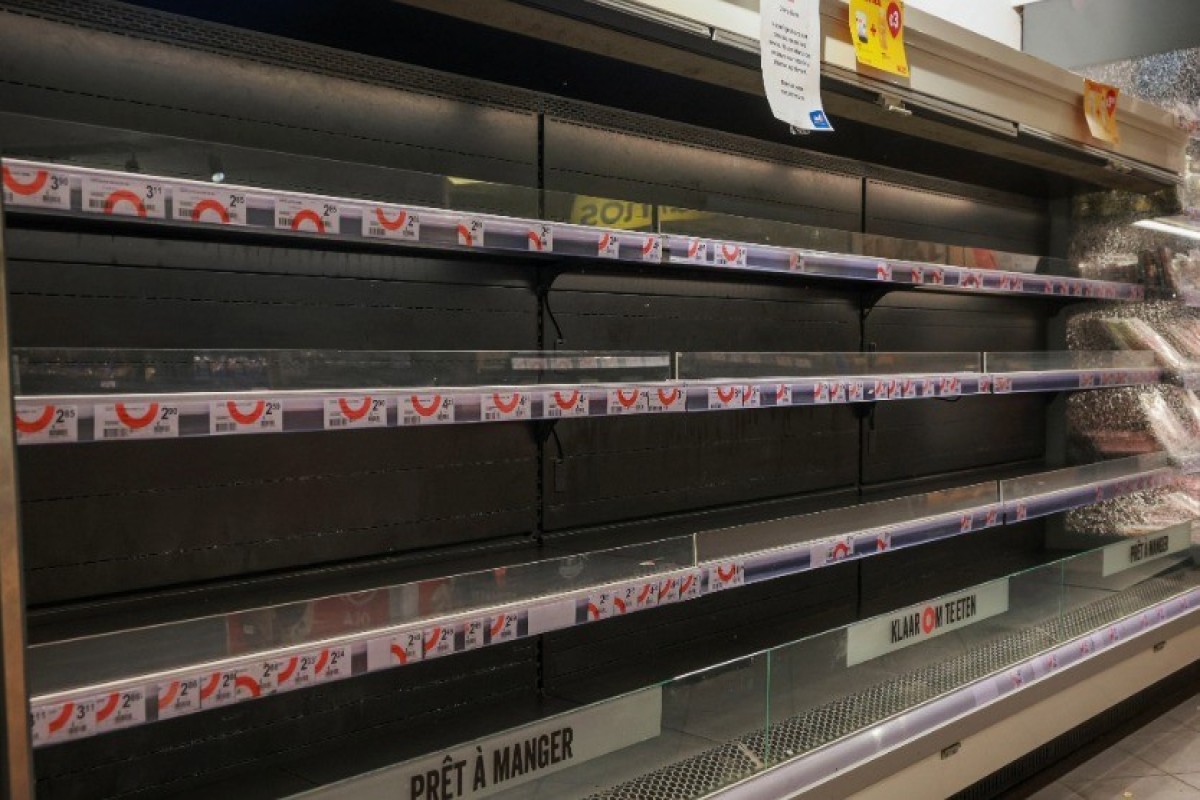
Rather than executing a traditional ransomware encryption scheme designed to lock corporate databases, the threat actors have utilized advanced firmware manipulation to disable temperature controls, manipulate defrost cycles, and disable alarm telemetry. The result is a silent, creeping thermal elevation that risks rendering millions of tons of perishable inventory unsaleable within hours, directly threatening the fragile supply chains underpinning urban food security.
Anatomy of a Cold-Chain Breach: How the Attack Unfolded
Test Our Free AI & Tech Utilities Suite
Calculate LLM API token costs, analyze article dwell-time, or simulate tech DCA returns.
The campaign leverages deep vulnerabilities in Operational Technology (OT) and Building Management Systems (BMS), specifically focusing on legacy programmable logic controllers (PLCs) manufactured by major industrial automation suppliers. For decades, supermarkets have integrated IoT connectivity into their refrigeration units to optimize energy efficiency, reduce carbon footprints, and automate compliance reporting for food safety standards. However, this push toward cloud-connected asset management opened a vast, unmonitored attack surface.
According to preliminary forensic reports from incident response teams, the attackers gained initial access through compromised third-party vendor credentials—a classic supply chain vector. Once inside the enterprise networks of major retail conglomerates, the malicious actors moved laterally from corporate IT environments into isolated OT segments, exploiting unpatched firmware vulnerabilities in supervisory control and data acquisition (SCADA) gateways.
By altering the baseline configurations of the refrigeration units, the malware effectively blinded central monitoring dashboards. Store managers and remote operations centers continued to see green indicator lights and nominal temperature readings while internal evaporator temperatures steadily climbed into the danger zone for food preservation. The psychological and operational impact on store personnel has been profound, forcing emergency manual overrides, temporary store closures, and the immediate dispatch of field technicians to physically disconnect network cables from refrigeration racks.
Verified Impact Metrics and Regional Breakdown
| Metric Category | Current Estimated Impact | Primary Affected Regions | Financial & Operational Risk |
|---|---|---|---|
| Compromised Store Locations | Estimated 3,200+ supermarkets | Germany, France, UK, Netherlands | Direct operational disruption and localized closures |
| Perishable Inventory at Risk | €180M – €250M daily valuation | Pan-European distribution hubs | Immediate inventory write-offs and supply chain bottlenecks |
| Regulatory Scrutiny Level | High (NIS2 & GDPR compliance triggers) | European Union Member States | Potential statutory fines up to 2% of global turnover |
| Remediation Timeline | 14 to 30 days for complete firmware audit | Enterprise-wide retail infrastructure | Capital expenditure reallocation for zero-trust OT architecture |
Industry & Market Implications: Capital Allocation and Valuation Multiples
The pan-European refrigeration breach introduces a new risk paradigm for institutional investors, equity analysts, and corporate boardrooms. For years, retail digitization initiatives have been rewarded by public markets with premium valuation multiples, driven by promises of operational efficiencies, reduced power consumption, and optimized inventory turnover. This incident violently pivots market sentiment toward risk mitigation, asset resilience, and cybersecurity capital expenditure (CapEx).
Who Wins: Cybersecurity Vendors and OT Integration Specialists
Enterprise cybersecurity firms specializing in industrial control systems (ICS) and OT network visibility are experiencing an immediate surge in inbound demand. Boardrooms that previously viewed refrigeration units as isolated mechanical assets are now rushing to fund end-to-end network segmentation projects. Managed security service providers (MSSPs) equipped to monitor real-time OT telemetry and enforce zero-trust network access (ZTNA) policies across distributed retail footprints will capture significant market share over the coming fiscal quarters.
Who Loses: Retail Conglomerates and Legacy Equipment Manufacturers
Major grocery chains operating on thin net profit margins (frequently between 1% and 3%) face severe earnings per share (EPS) headwinds. The financial impact is twofold: immediate write-offs of spoiled cold-chain inventory and secondary expenditures required to perform emergency firmware patches, third-party forensic audits, and potential regulatory fines. Furthermore, industrial equipment manufacturers that failed to embed robust cryptographic verification into legacy controller boards face reputational damage and potential liability lawsuits from enterprise clients.
Frequently Asked Questions (People Also Ask)
How did the cyberattack compromise supermarket refrigerators without immediate detection?
The threat actors targeted SCADA gateways and IoT controllers rather than physical hardware. By manipulating internal firmware and reporting protocols, the malware fed falsified, nominal temperature data back to central dashboard monitors while secretly disabling thermal alarms and forcing refrigeration units into unsafe operating cycles.
Which countries and supermarket chains are most affected by the breach?
While forensic investigations remain active and many corporations are exercising confidentiality protocols, early intelligence reports indicate widespread disruption across Germany, France, the United Kingdom, and the Netherlands. Major pan-European grocery conglomerates with highly digitized, centralized logistics networks have borne the brunt of the exploit.
What are the regulatory consequences for retailers under European law?
Under the modernized Network and Information Security (NIS2) directive and stringent EU food safety regulations, critical infrastructure operators must maintain rigorous digital resilience. Failing to secure connected operational technology that impacts food supply chains can trigger intensive regulatory investigations, mandatory public disclosures, and severe financial penalties reaching millions of euros.
How can retail enterprises prevent similar OT cyberattacks in the future?
Chief Information Security Officers (CISOs) are being forced to overhaul their infrastructure scalability models. Key remediation steps include enforcing strict network segmentation between corporate IT and operational OT environments, deploying continuous monitoring tools designed specifically for industrial protocols, mandating multi-factor authentication (MFA) for third-party vendors, and establishing robust offline manual override protocols.
Future Outlook: Strategic Milestones to Watch
As European cybersecurity authorities coordinate their response alongside Interpol and national intelligence agencies, the fallout from this incident will permanently alter how retail enterprises approach digital transformation. Over the next 6 to 12 months, industry observers should monitor three critical milestones:
- Regulatory Enforcement Actions: Early rulings by EU data protection authorities and food safety watchdogs regarding corporate accountability and negligence standards in OT security.
- Capital Expenditure Shifts: Earnings calls from major publicly traded grocers detailing increased IT/OT security budgets and their corresponding impact on operating margins.
- Standardization of OT Security Frameworks: The potential emergence of pan-European compliance standards specifically tailored for commercial refrigeration and building automation networks.
The weaponization of supermarket refrigeration units serves as a stark reminder that as physical infrastructure becomes increasingly intertwined with cloud compute architecture, the attack surface expands into our most fundamental daily necessities. For enterprise leadership, resilience is no longer an IT checkbox—it is a core determinant of corporate survival.