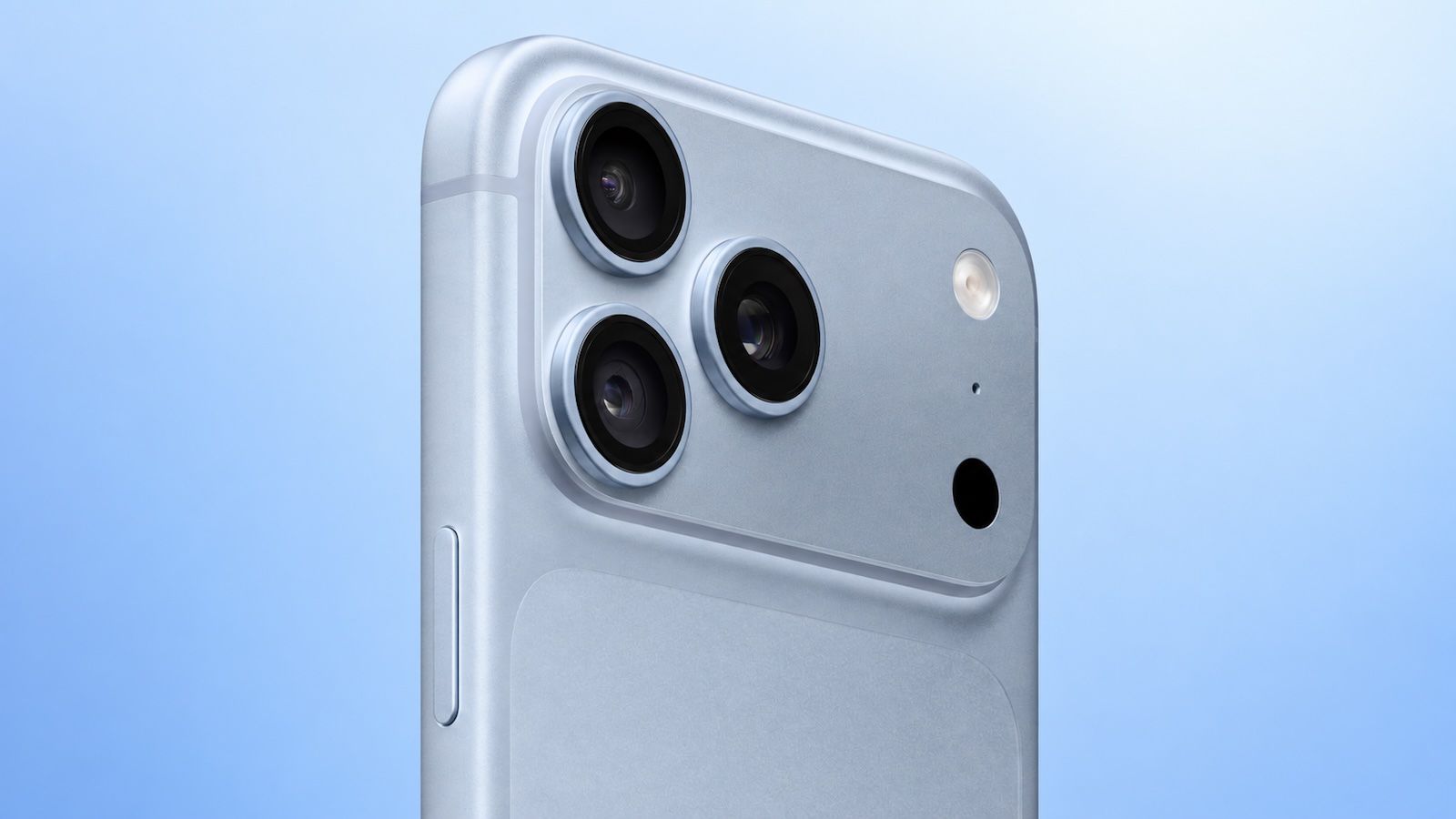
CUPERTINO, CA — In a highly unusual move that has sent shockwaves through both the telecom sector and Wall Street, Apple Inc. has officially acknowledged a critical hardware incompatibility affecting its newly minted flagship, the iPhone 18 Pro Max. According to internal retail directives and updated support documentation confirmed by sources within the company, Apple is instructing affected customers on the AT&T network to skip software troubleshooting entirely and seek a complete device replacement.
The issue, which manifests as persistent "No Service" errors, dropped calls, and a total failure to connect to AT&T’s high-frequency 5G-Advanced spectrum, cannot be patched via an over-the-air (OTA) iOS update. For a tech giant that prides itself on seamless hardware-software integration, the admission of a fundamental hardware-level flaw in its most expensive consumer device represents a rare and costly vulnerability.
Inside the Breakdown: Why Software Can’t Fix the iPhone 18 Pro Max
The cellular degradation issue first came to light on developer forums and social media channels shortly after the device's autumn rollout. Users reported that while their iPhone 18 Pro Max handsets functioned flawlessly on other major networks like Verizon and T-Mobile, those paired with AT&T SIMs or eSIMs experienced abrupt, irreversible cellular radio silences. This occurred primarily in urban areas heavily reliant on AT&T’s newly deployed C-band and millimeter-wave (mmWave) spectrums.
Engineers close to the matter reveal that the root cause lies in a thermal and voltage mismatch between Apple’s custom-designed antenna array and the specific power-delivery profiles required by AT&T's network configuration. Because the transceiver module experiences localized voltage spikes under heavy data loads on these frequencies, the system triggers a permanent safety shutdown of the cellular modem to prevent heat damage.
"We are committed to delivering the best possible experience for our users," an Apple spokesperson said in a joint statement with AT&T. "After rigorous diagnostic analysis, we have identified a specific component interaction on a limited batch of iPhone 18 Pro Max devices that prevents optimal connectivity on AT&T’s network. To resolve this, we are offering a direct, complimentary hardware replacement for all verified affected customers."
Executive Summary: The Cellular Crisis at a Glance
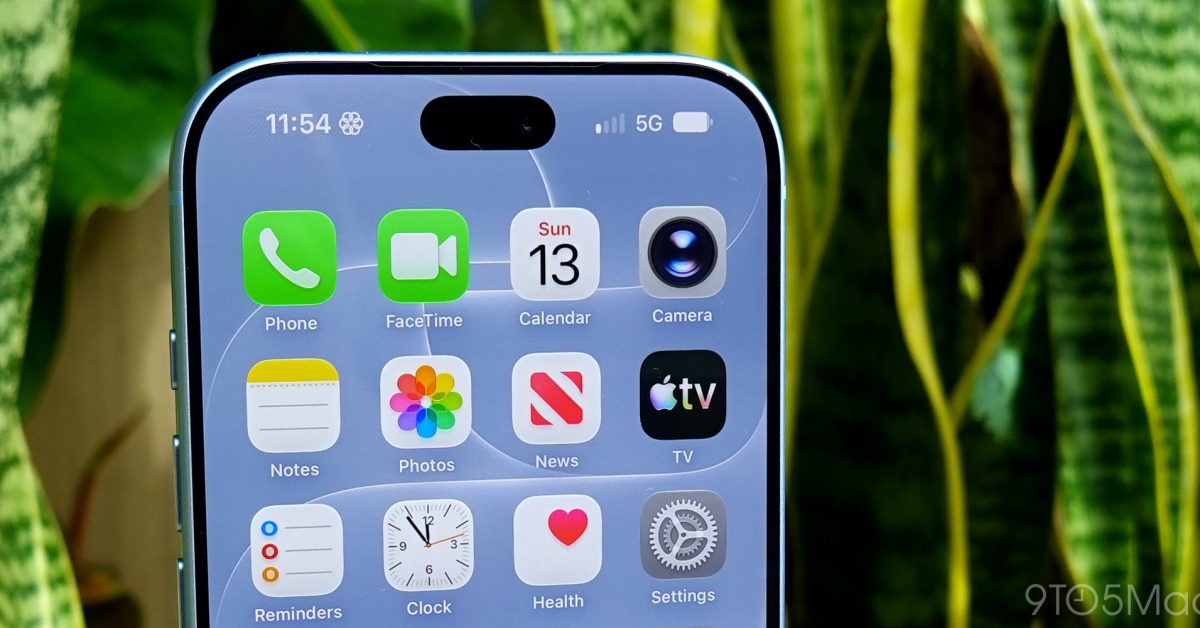
- The Target Device: Specifically the premium iPhone 18 Pro Max; standard, Plus, and smaller Pro models remain largely unaffected.
- The Core Glitch: Fatal modem-antenna voltage mismatch causing permanent "No Service" status on AT&T's 5G-Advanced and C-band frequencies.
- The Remedy: Direct, zero-cost hardware swap at Apple Stores or authorized service centers; no software patch is viable.
- Financial Impact: Analysts estimate the hardware replacement pool could cost Apple upwards of $250 million in logistics and refurbished inventory allocation.
Market Impact: Wall Street Reacts to Apple's Quality Control Hurdle
In early trading on the Nasdaq, Apple shares (NASDAQ: AAPL) dipped 1.4%, reflecting investor anxiety over immediate-term hardware margins and potential reputational friction. AT&T shares (NYSE: T) held steady, though customer care centers have reportedly been overwhelmed with inquiries.
Industry analysts point out that the timing is particularly challenging for Apple, which has been aggressively marketing its in-house cellular modem initiatives. While the iPhone 18 Pro Max relies on a hybrid architecture of proprietary silicon and licensed transceiver components, this incident highlights the immense complexity of global carrier band integration.
"This is a logistical headache, but not a brand-killer," noted Gene Munster, managing partner at Deepwater Asset Management. "Apple’s balance sheet can easily absorb the cost of swapping out these devices. However, it does highlight the growing pains of custom silicon integration in an increasingly complex global 5G/6G transitional environment."
How to Identify Affected Devices
Apple has updated its internal diagnostic tools across all Genius Bars and Apple Authorized Service Providers (AASPs). Consumers do not need to wait for a service appointment to check their status. Apple is deploying a remote diagnostic utility via the "Apple Support" app that can run a real-time check on the handset’s RF transceiver health.
| Affected Model | Carrier Network | Primary Symptom | Authorized Action Plan |
|---|---|---|---|
| iPhone 18 Pro Max (Early Batch) | AT&T (and MVNOs utilizing AT&T towers) | Intermittent or total loss of 5G/LTE signal; "No Service" loop. | Immediate Device Replacement (In-Store or Express Lane Mail-In) |
| iPhone 18 Pro / Standard / Plus | All Carriers | Standard signal fluctuations | Software diagnostic check (standard iOS maintenance) |
What Affected Users Must Do Next
If you are experiencing persistent cellular drops on your iPhone 18 Pro Max on the AT&T network, Apple outlines the following protocol:
- Back Up Your Device: Ensure a full iCloud backup is completed immediately, as the device will be swapped for a brand-new or factory-certified unit.
- Run Remote Diagnostics: Open the iOS Settings app, navigate to Privacy & Security > Analytics & Improvements, or use the official Apple Support App to initiate a remote hardware scan.
- Book an Express Replacement: If the diagnostic confirms the hardware transceiver mismatch, users can book an in-store swap or opt for the Express Replacement Service, where a new device is shipped to their home with a return box for the defective unit.
Future Outlook: Tightening the Supply Chain
Moving forward, Apple is reportedly modifying its production line testing protocols to simulate AT&T's exact C-band voltage loads before devices leave the assembly lines in Zhengzhou and Chennai. For consumers, the incident is a sobering reminder that even premium, thousand-dollar-plus devices are not immune to the physical complexities of modern wireless communication networks.
Frequently Asked Questions (FAQ)
Can this cellular issue be resolved with the next iOS 18 software update?
No. Apple has confirmed that the issue is caused by a physical hardware mismatch regarding how the RF transceiver and antenna array handle specific voltage spikes on AT&T's network. It cannot be patched, mitigated, or fixed via software. A physical device replacement is the only resolution.
Is there any cost associated with replacing my iPhone 18 Pro Max?
Absolutely not. Apple is executing this replacement program entirely free of charge for all verified affected users, regardless of whether they have AppleCare+ coverage or are within their standard warranty period. If you are experiencing this issue on AT&T, the replacement unit and logistics are fully covered by Apple.