WASHINGTON & BOCA CHICA, Texas — In a watershed moment for commercial aerospace and interplanetary ambition, SpaceX successfully launched its massive Starship rocket into Earth orbit for the very first time. The dramatic successful execution of Flight 14 marks a monumental turning point for Elon Musk’s rocket company, validating years of explosive tests, billions in capital expenditure, and the fundamental physics of the world's largest and most powerful heavy-lift launch system ever constructed.
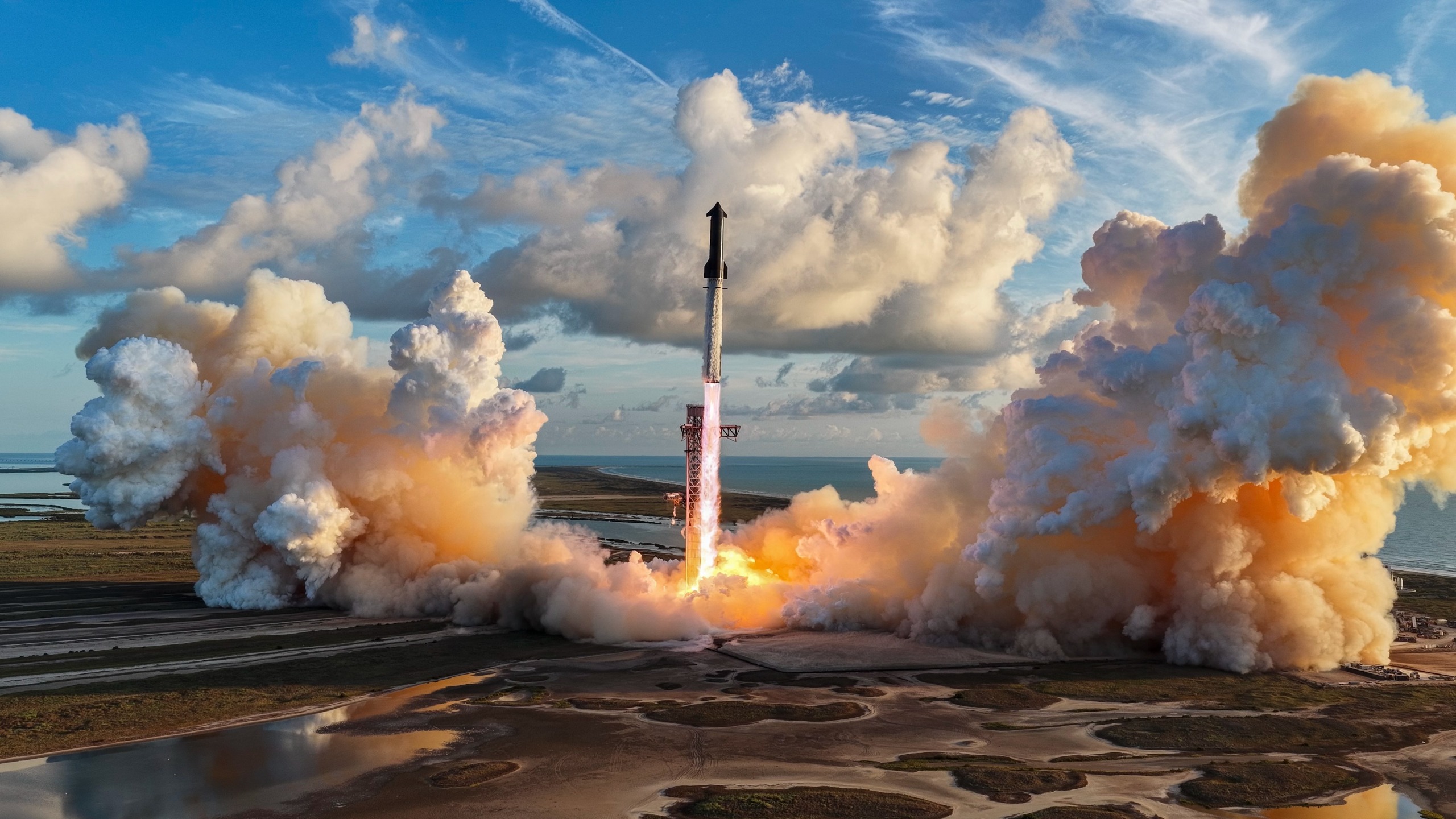
Liftoff occurred from SpaceX’s Starbase facility in Boca Chica, Texas, sending the 400-foot-tall (121 meters) stainless-steel behemoth roaring into the morning sky on a pillar of incandescent flame. Generating over 16 million pounds of thrust from its cluster of Raptor engines, the towering vehicle cleared the launch mount cleanly—dodging the structural failures and fiery mid-flight anomalies that plagued several earlier iterations of the development program.
For aerospace analysts, Wall Street investors, and global defense strategists alike, Flight 14 is not merely an engineering triumph; it represents the crossing of a technological Rubicon. With Starship now proven capable of reaching orbital trajectory, humanity stands one critical step closer to regularized lunar landings, commercial space stations, and crewed missions to Mars.
The Anatomy of Flight 14: Engineering a Breakthrough
Reaching orbit has been an elusive and costly target for SpaceX’s Starship program. Previous test flights offered valuable telemetry data at the expense of structural integrity, often ending in spectacular overpressurization events or atmospheric breakup during re-entry phases. Flight 14, however, incorporated vital upgrades derived from iterative failure analysis.
- First-Stage Super Heavy Booster: Demonstrated nominal performance throughout liftoff and stage separation, executing a precision burn before a controlled splashdown maneuver.
- Starship Upper Stage: Successfully circularized its orbit after main engine cutoff, confirming the operational readiness of its vacuum-optimized Raptor engines in the harsh environment of space.
- Thermal Protection System: Survived the punishing thermal loads of ascent, paving the way for future orbital re-entry and rapid-reusability testing.
- Payload Deployment Simulation: Validated internal mechanisms designed to dispense next-generation Starlink constellations and heavy scientific payloads.
Industry insiders noted that the precision of the telemetry data returned during the flight surpassed internal benchmarks set by SpaceX engineers. By mastering the delicate balance of thrust vectoring, structural mass reduction, and thermal insulation, the company has effectively rewritten the playbook for heavy-lift rocketry.
Market Implications: Wall Street Reacts to the New Space Economy
The economic ramifications of Starship’s successful orbital insertion reverberate far beyond the aerospace sector. Financial markets have long priced in the disruption SpaceX could bring to global logistics, telecommunications, and national security launch procurement.
With a projected payload capacity exceeding 150 metric tons to fully reusable orbits, Starship effectively slashes the cost-per-kilogram metric for orbital delivery by an order of magnitude. This dramatic reduction in cost alters the fundamental unit economics of the commercial space industry:
“We are witnessing the transition from bespoke, hand-crafted space hardware to mass-manufactured logistics infrastructure,” said a senior aerospace equity analyst based in New York. “Companies that previously spent decades developing localized satellite networks can now deploy entire constellations in a single launch window. The barrier to entry for space-based manufacturing and resource extraction has essentially collapsed overnight.”
| Metric | Specification |
|---|---|
| Total Height | 121 meters (397 feet) |
| Liftoff Thrust | ~16.7 million pounds (Super Heavy Booster) |
| Payload Capacity (Reusable) | 100 to 150 metric tons |
| Propellant Type | Sub-cooled Liquid Methane ($CH_4$) & Liquid Oxygen ($LOX$) |
| Primary Milestone | First successful orbital insertion (Flight 14) |
Looking Ahead: The Road to Artemis and Mars
Despite the historic nature of Flight 14, leadership at SpaceX emphasizes that the program remains in a rapid development cycle. The immediate priority will focus on perfecting ship recovery—catching both the Super Heavy booster and the Starship upper stage using the massive mechanical arms of the "Mechazilla" launch tower.
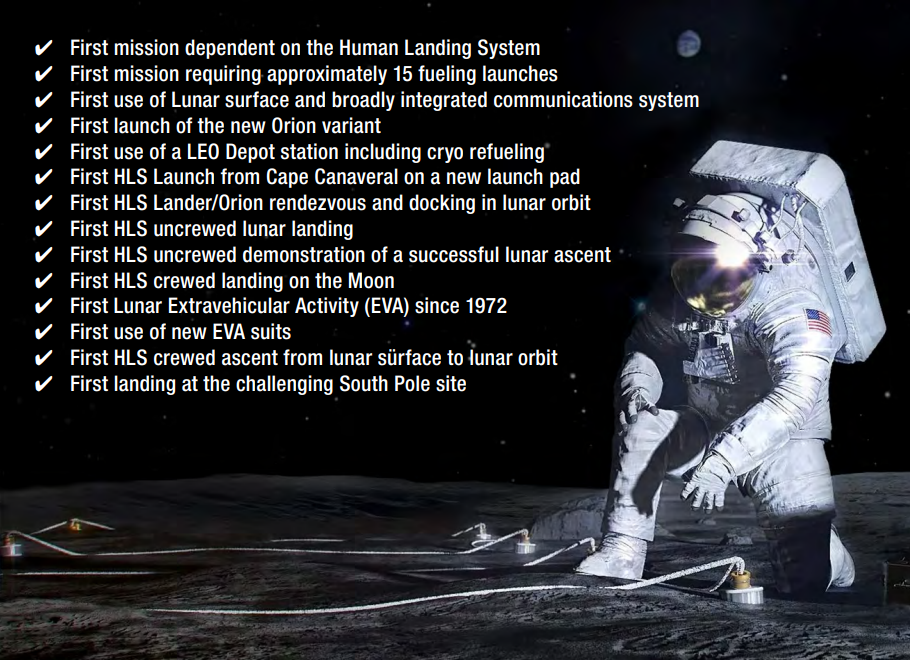
Furthermore, NASA is watching the program with intense scrutiny. The agency selected a specialized variant of Starship to serve as the Human Landing System (HLS) for the Artemis III mission, which aims to return American astronauts to the lunar surface later this decade. Achieving orbital capability is a mandatory prerequisite for undertaking the complex in-space propellant transfers required to push Starship out of Earth orbit and toward the Moon.
As the debris from Flight 14 settles across telemetry screens and data logs in Hawthorne and Boca Chica, one reality remains indisputable: the heavy-lift paradigm has shifted. SpaceX has moved past the drawing board, and the commercialization of the inner solar system is officially underway.
Frequently Asked Questions
1. Why is Starship reaching orbit such a significant milestone?
Reaching orbit proves that Starship can generate the velocity, guidance control, and engine reliability required to travel long distances in space. Unlike suborbital hops, orbital flight requires surviving extreme thermal environments, managing long-duration coast phases, and executing precise orbital insertions—all critical for lunar and interplanetary travel.
2. How does this impact NASA’s Artemis program?
NASA relies on SpaceX’s Starship to land astronauts on the Moon during the Artemis missions. Successfully launching Starship into orbit is a vital stepping stone toward demonstrating orbital refueling, long-duration life support systems, and deep-space trajectory burns necessary for lunar operations.