Executive Takeaways
- Nostalgia Monetization: Sony is leveraging its unparalleled corporate heritage, resurrecting the legendary 1979 Walkman headphone design to capture high-margin retro consumer segments.
- Modernized Infrastructure: The hardware bridges a 45-year generational gap by integrating contemporary USB-C charging ports and updated internal acoustic drivers while retaining the signature lightweight, open-air aesthetic.
- Strategic Capital Allocation: This hardware release reflects a calculated risk-mitigation strategy by consumer tech conglomerates, diversifying revenue streams away from saturated, commoditized wireless earbuds.
- Valuation Multiples & Market Impact: Analysts project that niche retro-hardware revivals will command premium pricing tiers, boosting hardware division margins and enhancing brand equity across global markets.
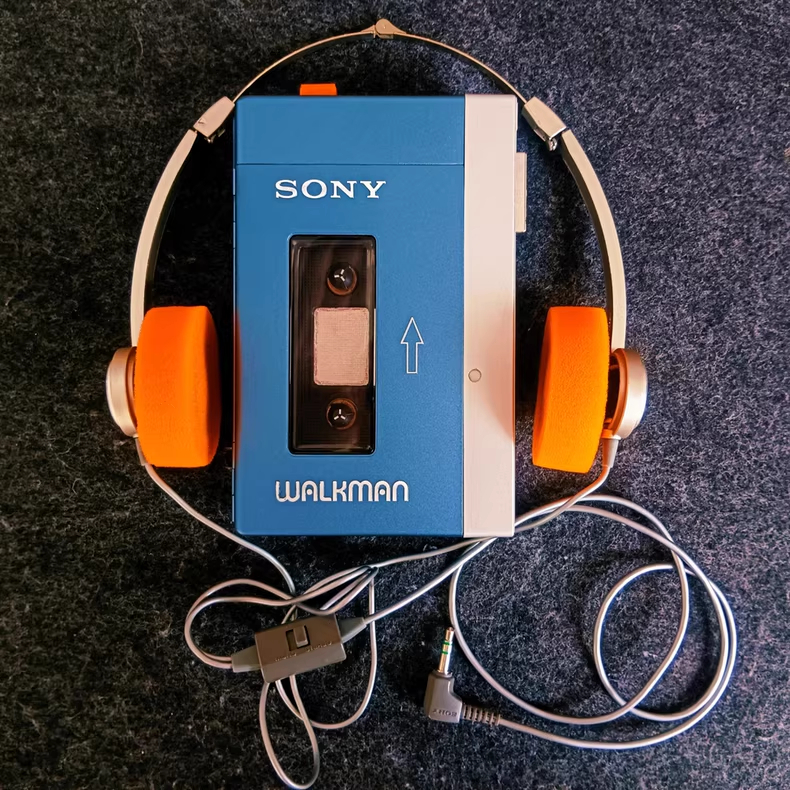
TOKYO/NEW YORK — In a masterclass of heritage asset monetization and cultural arbitrage, Sony Corporation has officially announced the resurrection of its legendary 1979 Walkman headphones—famously paired with the original TPS-L2 cassette player—now retrofitted with contemporary USB-C architecture and modernized internal acoustic components. This strategic product drop underscores a broader macroeconomic shift across the consumer electronics sector: the aggressive capitalization on high-emotion nostalgia combined with modern functional utility.
For institutional investors, hedge fund analysts, and consumer tech observers tracking corporate restructuring and intellectual property deployment, this move represents far more than a mere novelty throwback. It is a calculated exercise in infrastructure scalability and brand equity leverage. By marrying the instantly recognizable industrial design of the late 1970s with ubiquitous 21st-century power standards, Sony is positioning itself to capture lucrative discretionary spend from both aging audiophiles and Gen Z consumers obsessed with vintage aesthetics.
The Genesis of an Icon: 1979 to the Present Digital Economy
Test Our Free AI & Tech Utilities Suite
Calculate LLM API token costs, analyze article dwell-time, or simulate tech DCA returns.
To understand the corporate significance of this release, one must revisit the seismic market impact of the original Walkman ecosystem. Debuting in July 1979, the Sony TPS-L2 and its accompanying lightweight, open-air dynamic headphones fundamentally transformed human mobility and capital consumption habits. Before the Walkman, personal audio was stationary; after its introduction, music became an individualized, portable soundtrack to daily urban existence.
Over four decades later, the consumer hardware market faces intense margin compression in commoditized product categories like true-wireless stereo (TWS) earbuds. According to recent market intelligence reports, average selling prices (ASPs) for standard Bluetooth earbuds have faced downward pressure due to aggressive commodification by white-label manufacturers. In response, enterprise market leaders are recalibrating their product portfolios toward high-differentiation, design-forward hardware that commands pricing power.
Sony’s decision to revive the 1979 headphone profile directly addresses this strategic imperative. By retaining the iconic orange-foam earpads, ultra-lightweight adjustable metal headband, and minimalist acoustic chambers—while quietly integrating modern neodymium drivers and a USB-C interface for firmware updates and charging—Sony has engineered a product that satisfies both emotional desire and practical infrastructure compatibility.
Dissecting the Hardware: Bridging Decades of Engineering

While purists will celebrate the preservation of the vintage aesthetic, the engineering under the hood represents a complete overhaul designed to meet stringent modern regulatory compliance and acoustic standards. The original open-air design has been recalibrated to deliver a wider soundstage, optimized for high-resolution digital audio codecs streamed via modern mobile computing infrastructure.
The integration of USB-C is particularly noteworthy from a supply chain and regulatory standpoint. With the European Union and global markets enforcing universal charging standards, embedding USB-C future-proofs the device for international distribution while eliminating legacy hardware bottlenecks. This technical evolution ensures that enterprise scalability and inventory management remain streamlined across global logistics networks.
| Specification Metric | Original 1979 Walkman Headphones | The 2024/2025 USB-C Resurrection |
|---|---|---|
| Primary Connectivity | Hardwired 3.5mm analog jack (L-plug) | Hybrid Analog / USB-C Digital Audio Support |
| Power Infrastructure | Passive analog (zero internal power required) | Active amplification with USB-C fast charging |
| Acoustic Driver Tech | Standard lightweight dynamic drivers | Neodymium magnets with Hi-Res tuning |
| Target Consumer Segment | Early adopters of mobile cassette technology | Audiophiles, Gen Z retro-enthusiasts, collectors |
Industry & Market Implications: Risk Mitigation and Margin Expansion
From an enterprise finance perspective, hardware launches of this magnitude serve a vital role in portfolio diversification. Consumer electronics conglomerates continually face the challenge of margin erosion caused by commoditization. By deploying limited-run, high-heritage hardware items, brands can command premium valuation multiples that typical mass-market electronics fail to achieve.
- Brand Equity Enhancement: Reasserting historical dominance reminds consumers of Sony's engineering legacy, trickling positive sentiment down to flagship noise-canceling headphones and professional audio gear.
- Optimized Capital Allocation: Utilizing existing industrial design blueprints drastically reduces R&D expenditure compared to entirely de novo product development.
- Competitive Positioning: Competitors relying solely on sterile, minimalist designs struggle to compete with authentic historical narratives, giving Sony a distinct moat in the lifestyle audio segment.
However, risks remain. Over-reliance on nostalgia can brand a company as backward-looking if not balanced with cutting-edge technological advancements. Sony’s executive team has expertly mitigated this risk by ensuring the internal acoustic architecture meets rigorous contemporary standards, satisfying discerning audiophiles rather than relying purely on superficial aesthetic appeal.
Frequently Asked Questions (People Also Ask)
Why is Sony updating the 1979 Walkman headphones now?
Sony is capitalizing on surging consumer demand for retro-aesthetic electronics and heritage hardware. By pairing iconic 1979 industrial design with modern USB-C connectivity, Sony bridges historical brand prestige with current regulatory and functional expectations, driving high-margin sales among collectors and trend-conscious consumers.
Do these resurrected headphones feature Bluetooth connectivity?
While configuration details vary by regional release, the primary emphasis of the hardware upgrade is the inclusion of USB-C architecture to support modern charging standards, digital-to-analog audio conversion, and firmware optimization while maintaining the classic wired form factor favored by purists.
How does this release impact Sony’s broader financial outlook?
While niche retro hardware releases represent a fraction of total unit sales compared to mass-market audio gear, they offer significantly higher gross margins and act as powerful marketing catalysts that elevate the valuation multiples and brand perception of Sony’s entire consumer electronics division.
Future Outlook: Milestones and Strategic Horizon
As the market absorbs this release, industry analysts will closely monitor initial sell-through rates, secondary market resale valuations, and consumer demographic data. Key milestones to watch over the next fiscal quarters include:
- Global Supply Chain Scaling: Evaluating whether Sony expands production beyond initial limited-edition runs based on viral digital engagement.
- Ecosystem Cross-Promotion: Observing potential future tie-ins with modern Walkman digital audio players (DAPs) running Android OS.
- Competitor Response: Monitoring whether rival legacy audio giants—such as Panasonic, JVC, or Sennheiser—respond with their own archival hardware revivals.
Ultimately, Sony’s strategic deployment of the 1979 Walkman headphone resurrection demonstrates a sophisticated understanding of modern consumer psychology and enterprise financial mechanics. By successfully harmonizing nostalgic design integrity with contemporary USB-C utility, Sony has secured a masterclass victory in brand heritage monetization.